

Beets for Blood Pressure: What the Science Actually Shows
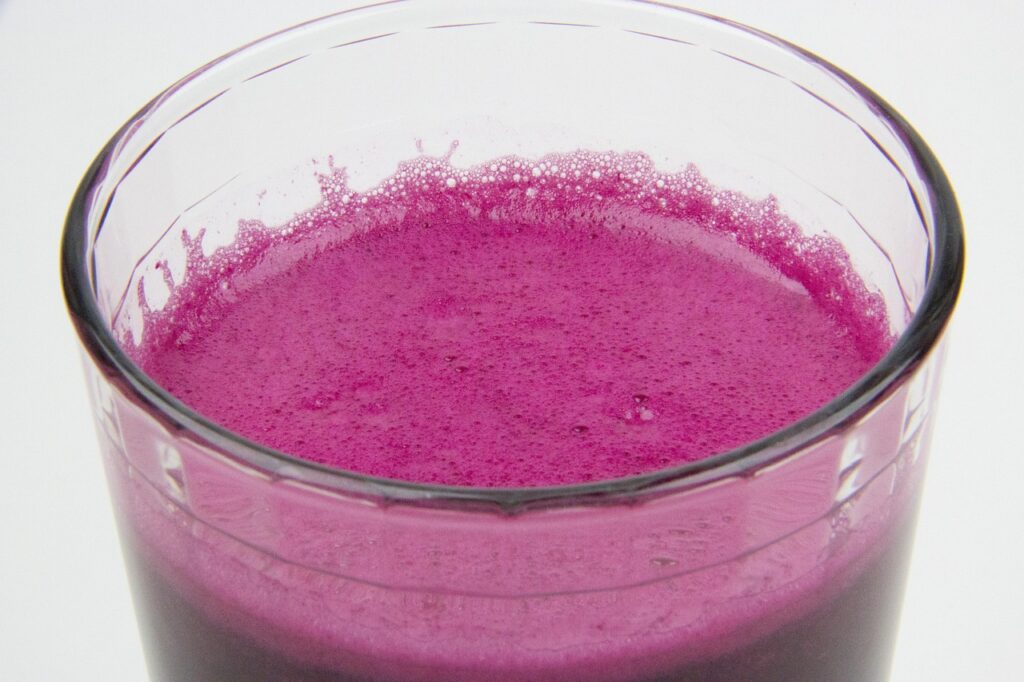
Key Takeaways
- Beets can lower systolic blood pressure by about 3 to 5 mmHg in people with elevated readings.
- The effect comes from dietary nitrate, which your body turns into nitric oxide. That relaxes blood vessels.
- The most studied dose is 70 to 250 mL of beet juice daily for at least two weeks.
- Beets are a helpful tool, not a cure. Check with your clinician if you take blood pressure medication or have had kidney stones.
If you’ve been told to add more beets for blood pressure, you’re not alone. Beets have become a favorite heart-healthy food, and the science is real. But the headlines often skip the details. Here’s what you actually need to know.
The short version: beets can help lower blood pressure, but the effect is modest. How you eat them, how much you eat, and what else you do matters. Let’s break down the evidence together.
Quick Answer: Do Beets for Blood Pressure Actually Work?
Yes, but with realistic expectations. Multiple meta-analyses show that daily beet juice lowers systolic blood pressure. The drop is about 3 to 5 mmHg in people with elevated readings. The effect shows up within hours in some trials and builds over a few weeks. Beets are a helpful tool in a heart-healthy lifestyle, not a cure or a substitute for medication.
What the Science Says About Beets for Blood Pressure
Let’s start with the numbers. A 2024 meta-analysis looked at 11 clinical trials. It found that 200 to 800 mg of nitrate from beetroot juice lowered systolic blood pressure by about 5.31 mmHg. Those are clinic readings. A 2022 meta-analysis found a similar drop of about 4.95 mmHg. A 2017 review of 22 trials put the average at 3.55 mmHg.
So the core message about beets for blood pressure is simple: the effect is real, but it’s modest. A 5 mmHg drop is meaningful for heart health. It’s just not the same scale as medication.
One pattern stands out across the research. Systolic pressure, the top number, responds more consistently than diastolic pressure. Two of the three meta-analyses found no significant diastolic effect. That’s a detail most articles skip.
Three Key Meta-Analyses at a Glance
- 2024: 11 trials, 349 people, systolic BP down 5.31 mmHg. Dose: 200-800 mg nitrate daily.
- 2022: 7 trials, 218 people, systolic BP down 4.95 mmHg. Dose: 70-250 mL beet juice daily.
- 2017: 22 trials, systolic BP down 3.55 mmHg and diastolic down 1.32 mmHg. Longer use and higher doses gave larger effects.
How Beets Lower Blood Pressure: The Nitrate Pathway
Here’s the science in plain English. Beets are rich in dietary nitrate. Bacteria in your mouth turn that nitrate into nitrite. Your body then converts nitrite into nitric oxide. That gas relaxes and widens blood vessels. Wider vessels mean lower pressure. A systematic review from 2018 walks through this entire pathway.
Here’s a detail that surprised me. Because oral bacteria do that first step, mouthwash matters. A 2020 systematic review found that antibacterial mouthwash reduced nitrite levels. It also linked mouthwash use to higher blood pressure in 4 of 5 human studies. If you drink beet juice for your numbers, skip the mouthwash right before or after.
Beets for Blood Pressure: How Much and Which Form
Most clinical trials use beet juice, not whole beets. The studied range is about 70 to 250 mL daily. That’s roughly one-third to one cup. A 2022 meta-analysis supports this range. A 2017 meta-analysis found that 500 mL daily gave slightly bigger drops. But consistency matters more than hitting a perfect volume.
For most people, the sweet spot for beets for blood pressure is about one cup of beet juice daily. Give it at least two weeks. A 2018 systematic review found that benefits were stronger in studies lasting 14 days or more.
Which Form Should You Choose?
- Beet juice (70-250 mL daily): the most studied option. Fast nitrate hit, little fiber. Read labels for added sugar.
- Whole beets (about 1/4 to 1/2 cup): less studied for blood pressure, but nutritious and high in fiber. A Mayo Clinic dietitian suggests this serving size.
- Beet powder: convenient, but products vary widely. Research is still emerging.
- Canned or pickled beets: fine in a pinch. Choose low-sodium options.
Nitrate vs. Nitrite: The Confusion, Decoded
You’ve probably seen scary headlines about nitrates. Most of them are about processed meats, not vegetables. Here’s the difference.
Nitrate and nitrite are not carcinogenic on their own, according to an expert review from 2015. In beets, nitrate becomes beneficial nitric oxide. In cured meats, nitrites meet high heat and stomach acid. That context can form N-nitroso compounds, a potentially harmful class of chemicals. A 2021 review notes that very high beetroot juice intake could push nitrate above the acceptable daily intake. But typical dietary amounts are well within safe limits.
So enjoy your beets without guilt. The vegetable version of this story is a health win.
The Honest Caveats: What Beets Do Not Prove
This is where beets for blood pressure get oversold online. Most positive trials measured blood pressure in a clinic. When researchers use 24-hour monitors, the results look different. A 2017 meta-analysis found no significant effect on 24-hour or home blood pressure. A 2024 randomized trial also found no sustained benefit after four weeks. That trial used daily nitrate in people already on blood pressure medication. It did confirm the short-term effect within hours.
What should you take from this? Beets are still worth eating. They’re just one tool in a bigger toolkit. Sodium, potassium, sleep, stress, movement, and genetics all play a role. If your home readings don’t change after a few weeks, don’t blame the beets.
Who Should Check With a Doctor First
For most people, beets are safe. Two groups should talk to a clinician before making daily beet juice a habit. Cleveland Clinic’s guide outlines these cautions.
Before You Start: Three Safety Checks
- Blood pressure medication: beets can add to the lowering effect. Your pressure could drop too low.
- Kidney stones: beets are high in oxalates. If you’ve had calcium-oxalate stones, ask your doctor first.
- Low blood pressure: the same additive effect applies. Monitor how you feel.
One more reassurance: pink urine after beets, called beeturia, is harmless and temporary.
Trials have not reported serious side effects, even in medicated participants. But individual monitoring still matters. Even though beets for blood pressure are generally safe, your situation is unique.
How to Eat More Beets Without Getting Bored
Beets don’t have to mean sad salads. Here are seven easy ways to enjoy them.
- Roast a batch on Sunday. Add to grain bowls all week.
- Grate raw beets into salads or slaws. Raw keeps the most nitrates.
- Blend beets into a smoothie with berries and ginger.
- Make a beet hummus with garlic and lemon.
- Simmer a simple borscht or roasted beet soup.
- Sip a mocktail with beet juice, sparkling water, and lime.
- Choose low-sodium canned or pickled beets for quick meals.
Don’t love beets? You have options. Spinach, arugula, celery, and radishes are all high in nitrate — a 2018 systematic review lists them among the top vegetable sources — and other leafy greens like kale are great choices too. The American Heart Association reminds us that colorful vegetables like beets belong on your plate for heart health. For more, browse our high blood pressure foods grocery list.
Beets and Blood Pressure: Your Questions, Answered
Is beet juice better than whole beets?
For blood pressure, yes. That’s what most trials used. Whole beets add fiber and are a great choice. They’re just less studied for this specific effect.
How long until I see a change?
Some trials show an effect within a few hours. For a lasting change, plan on daily intake for at least two weeks. Then check your home readings.
The Bottom Line
So, do beets for blood pressure work? Yes, with honest expectations. They can lower systolic pressure by a few points in many people. They’re nutritious, fiber-rich, and easy to love once you find your style.
But they are not a replacement for medication. They’re one tool in a heart-healthy lifestyle. Pair them with lower sodium, more potassium, regular movement, and good sleep. That’s the real recipe for healthy blood pressure.
This article is for educational purposes and isn’t medical advice. Talk to your clinician before making major dietary changes, especially if you’re on medication.
Key Sources
- 2024 meta-analysis of beetroot juice and hypertension (Grönroos et al.)
- 2022 meta-analysis of nitrate from beetroot juice (Benjamim et al.)
- 2017 meta-analysis of 22 beetroot juice trials (Bahadoran et al.)
- 2018 systematic review of dietary nitrate from beetroot juice (Bonilla Ocampo et al.)
- 2024 randomized trial on beetroot juice and 24-hour blood pressure (Fejes et al.)
- 2017 meta-analysis on medium-term nitrate effects (Ashor et al.)
- Expert review on nitrate and nitrite in the diet (Habermeyer et al.)
- 2021 review of beetroot juice benefits and risks (Zamani et al.)
- Cleveland Clinic’s guide to beet health benefits
- American Heart Association on eating beets