

The Liver Brain Connection: How Exercise Protects Your Brain
Key Takeaways
- Your liver and brain talk to each other constantly. Scientists call this two-way chat the liver-brain axis.
- New research shows exercise makes your liver release an enzyme called GPLD1. It helps protect the blood vessels around your brain.
- In mice, this enzyme restored a leaky blood-brain barrier and improved memory. Human evidence so far is correlational — linked, not proven to cause.
- The practical step is simple: at least 150 minutes of moderate movement per week. Walking counts.
- No supplement or “detox” prevents cognitive decline. Movement is the proven lever we already have.
Every brain health story points at your head. But a surprising new study points lower — at your liver. The liver brain connection is becoming one of the most exciting areas in cognitive health research. Here’s what the science shows, what it doesn’t yet prove, and how to use it today.
Picture this. You finish a brisk walk, and your body is already doing something remarkable. Your liver just released an enzyme that travels through your blood. Its job is to help protect the blood vessels around your brain. That finding comes from a team at UC San Francisco. And the practical takeaway is genuinely encouraging.
Quick Answer: Is the liver brain connection real?
Yes — and the evidence keeps growing. Researchers describe a real liver-brain axis, a two-way communication system between the two organs. The newest study shows exercise makes the liver release an enzyme called GPLD1. That enzyme helps keep the brain’s blood vessels healthy. It’s exciting science, but it doesn’t mean we have a new Alzheimer’s cure.
The Surprising Liver Brain Connection You Haven’t Heard About
The idea that the liver and brain influence each other isn’t new. Scientists have studied the liver-brain axis for years. Observational studies link liver disease to worse memory and higher dementia risk. But the connection always felt hard to act on — until now.
In 2020, a team at UC San Francisco published a key finding in Science. They showed that a liver enzyme called GPLD1 rises in the blood after exercise. In older mice, higher GPLD1 meant better memory. And in people, active older adults had higher GPLD1 than their less active peers. That discovery put the liver brain connection on the map.
The 2020 study left a big question open. How does a liver enzyme help the brain? A study published in Cell in February 2026 answers it. The team showed that the enzyme works on brain blood vessels — not on brain cells directly.
How the Liver Brain Connection Actually Works
Here’s where the story gets interesting — and a little technical. Let’s break it down step by step.
Think of the blood-brain barrier as a security gate. It lines the tiny blood vessels in your brain. The gate lets in nutrients and oxygen. It keeps out toxins, pathogens, and inflammatory molecules. When it works well, your brain stays protected.
As we age, that gate starts to leak. A protein called TNAP builds up on the vessel walls. In older mice, TNAP levels roughly doubled compared with young mice. More TNAP means a leakier barrier. Harmful molecules slip through. Inflammation creeps in.
GPLD1 works like tiny scissors. It travels in the blood and snips TNAP off the vessel walls. The barrier tightens back up. In mice, that small change brought big benefits. Brain inflammation dropped. The hippocampus — a memory hub — became healthier. Memory improved.
Here’s the surprise. GPLD1 never actually enters the brain. It does all its work from the blood vessels outside. That detail matters. It means the liver brain connection protects the brain indirectly, through the blood-brain barrier.
Human evidence points the same way. Brain tissue from healthy older adults and people with Alzheimer’s had about 50 percent more TNAP. Active older people tend to have higher GPLD1 in their blood. Neither proves cause and effect. But both fit the same story. Independent expert analysis from Alzforum supports this interpretation.
The Liver-Brain Axis: What the Science Really Shows
Here’s a tool most articles skip: an honest evidence scale. It separates what’s proven in mice from what’s only suggested in humans. That matters, because headlines often blur the two.
The Evidence, Graded Honestly
Proven in mice: GPLD1 trims TNAP and restores the blood-brain barrier. Memory improves. In an Alzheimer’s mouse model, plaque load dropped by about 25 percent.
Correlational in humans: Active adults have higher GPLD1. Older brain tissue has more TNAP. No human trial has tested this pathway directly.
Expert opinion: The mechanism may help explain why lifestyle trials like FINGER and U.S. POINTER improved thinking. Drugs that copy this effect are promising — but years away.
For now, the liver brain connection is a mouse-proven mechanism with human hints. However, that’s still worth celebrating. Experts call the study proof of principle. It shows a treatment could one day mimic exercise’s brain benefits.
Context helps here. The 2024 Lancet Commission report on dementia prevention identified 14 modifiable risk factors. Physical inactivity is among them. The commission estimates that nearly half of dementia cases could theoretically be prevented or delayed by addressing these factors. That’s a powerful reason to take the study seriously.
Practical Ways to Support the Liver-Brain Axis Today
So what do you do with this science? Move your body. That’s the short answer — and it’s why exercise is the most powerful tool for brain health.
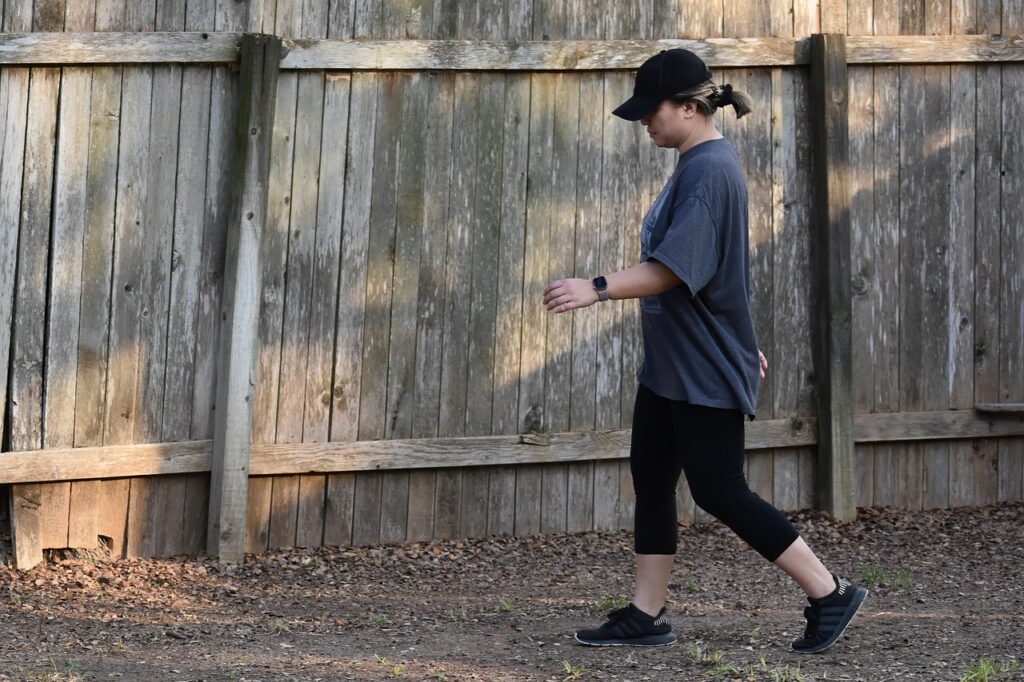
The National Institute on Aging recommends at least 150 minutes of moderate physical activity per week. That’s about 30 minutes of brisk walking, five days a week. Walking is a good start. No gym membership required.
You don’t need marathon training or a fancy workout plan. Consistency is what counts. A 10-minute walk after lunch counts. Dancing in your kitchen counts. Gardening counts.
If you can’t exercise much right now, start where you are. The Alzheimer’s Association reminds us it’s never too early or too late to protect brain health. Any movement is better than none.
Why Liver-Supporting Habits Matter for Your Brain
The liver brain connection isn’t only about exercise. Your everyday choices affect both organs at once.
Alcohol is the clearest example. Your liver processes every drink you take. Harvard Health reports that drinking more than a moderate amount raises Alzheimer’s risk by 22 percent. For women, moderate means no more than seven drinks per week. Keeping alcohol occasional is one of the kindest things you can do for both organs.
Food matters, too. A Mediterranean-style diet — rich in vegetables, whole grains, olive oil, fish, and beans — supports metabolic health. It’s also gentle on the liver. Studies link this eating pattern to slower cognitive decline; our brain healthy diet guide digs deeper into the evidence.
Blood pressure, blood sugar, and weight play a role as well. What stresses the liver often stresses the brain. Managing these numbers is a two-for-one investment.
What to Ask Your Doctor
Ask whether a routine liver function blood test makes sense for you. Fatty liver disease is common and often silent. Catching it early matters, because early liver changes often improve with lifestyle changes when caught in time. Many people don’t know their liver status. Knowing yours is the first step to protecting it.
What the Liver-Brain Research Does Not Show
This is where we keep our expectations honest. The study used mice. No one has replicated it in humans yet. Science moves one careful step at a time.
And no, you don’t need a liver cleanse. No supplement or “detox” is proven to prevent cognitive decline. The National Institute on Aging states that no vitamin or supplement prevents Alzheimer’s or cognitive decline. Save your money — buy a good pair of walking shoes instead.
What about an exercise pill? Scientists are exploring it. The study’s senior author co-founded a startup called Ceiba Bio to develop the approach. But experts say any clinical treatment is years away. Don’t wait for a pill when movement works today.
Frequently Asked Questions
Does moderate exercise really trigger this pathway?
It’s a common question about the liver brain connection. The honest answer? We don’t know the exact dose yet. The mouse studies used running wheels. In people, the evidence is correlational. The safest bet is the federal guideline: 150 minutes of moderate activity per week.
Do liver detox supplements help my brain?
No. There’s no evidence that “detox” products improve liver or brain function. The National Institute on Aging is clear: no vitamin or supplement is proven to prevent Alzheimer’s or cognitive decline. Skip the cleanses.
Should I get my liver checked?
It’s a reasonable conversation to have with your doctor. Fatty liver disease is common and often silent. A simple blood test can check liver enzymes. Early liver changes often improve with lifestyle changes when caught in time.
Will there really be an exercise pill?
Maybe, eventually. Researchers are working on molecules that mimic exercise benefits. Ceiba Bio — the startup from the study’s senior author — is one example. Experts stress this is years away. For today, movement is the only proven option.
The Bottom Line
The liver brain connection is real, fascinating, and still unfolding. We don’t have all the answers. But we have something better than a waiting room: proven habits.
Here’s your short list. Walk 30 minutes a day. Eat more vegetables, whole grains, and fish. Keep alcohol to seven drinks or fewer per week. Ask your doctor about liver health. Sleep well and stay connected with people you love.
Your brain is not an island. It depends on your whole body — especially your liver. Every walk sends a signal to both organs. That’s a beautiful reason to move today.