

Healthy Rice Cooker Meals: One-Pot Dinners Made Easy
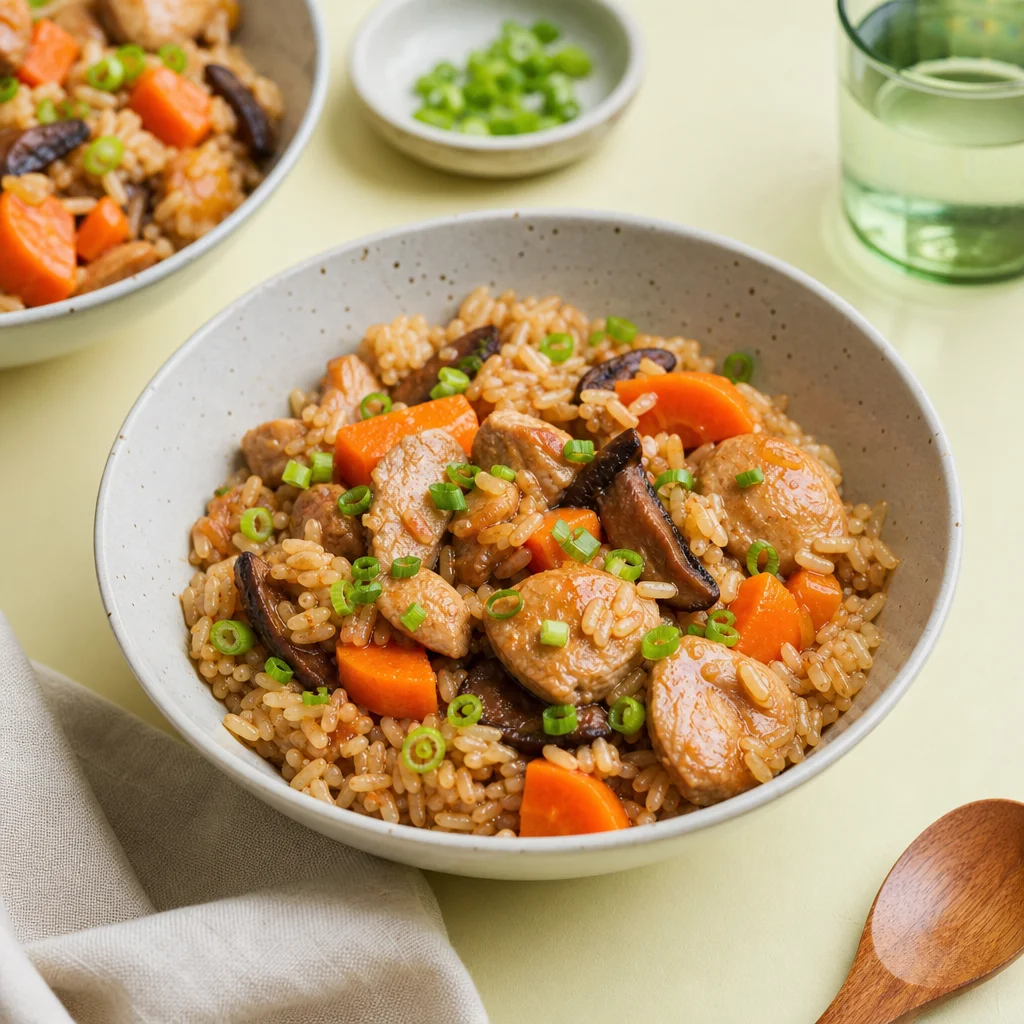
Key Takeaways
- Healthy rice cooker meals go far beyond plain rice — think whole grains, steamed vegetables, and lean protein.
- Steaming preserves more nutrients than boiling, and your steamer basket makes it easy.
- Build a balanced one-pot plate: half vegetables, a quarter protein, a quarter whole grains.
- Use the delay timer safely. Cook oats with water; add dairy, fruit, or yogurt after cooking.
- Batch-cook grains, chill them, and reheat — a simple trick that may soften the blood sugar response.
Picture this: it’s 5:30 on a Tuesday, and dinner needs to happen. You could stand over a pot of rice, juggle a skillet of vegetables, and hope the fish doesn’t overcook. Or you could let one countertop appliance handle it all. That’s the promise of rice cooker meals — and it’s not just about convenience. It’s about eating better with less effort.
If your weeknights feel like a race between hunger and exhaustion, you’re not alone. For years, the rice cooker had a boring reputation: one job, one button, endless white rice. But here’s the thing. Modern models can steam vegetables, simmer soup, poach fish, and even cook steel-cut oats while you sleep.
This guide covers balanced one-pot plates. It also explains why steaming beats boiling and how to use a delay timer safely. Plus the food-safety rules most recipes skip.
Quick Answer: Are Rice Cooker Meals Actually Healthy?
Yes — when you build them around whole grains, lean protein, and steamed vegetables. The rice cooker makes healthy cooking easier. But the healthiest rice cooker meals are the ones you plan as balanced plates, not just a bowl of white rice.
Why Rice Cooker Meals Are a Healthy-Living Shortcut
Most of us don’t eat enough whole grains. Dietary guidelines say at least half the grains you eat should be whole grains — brown rice, oats, quinoa, barley, farro.
But cooking those on the stovetop takes time. A rice cooker does the work for you. Add grain and water, press a button, walk away.
In fact, the health payoff is real. A 2025 umbrella review of 25 studies found that whole grains improve blood sugar control. They also support healthy cholesterol, blood pressure, and weight. The strongest benefits were for diabetes and heart health.
Mayo Clinic notes that whole-grain fiber can help lower cholesterol, steady blood pressure, and keep you feeling full longer. That’s exactly where a rice cooker shines.
New to whole grains? Start with a house rice blend: half brown, half white. The brown adds fiber; the white keeps the texture familiar. Small swaps count. For more ideas, try meals that nourish your microbiome.
Why Steaming Beats Boiling: The Nutrient Case
Here’s what’s actually happening when you boil vegetables. Water-soluble nutrients — like vitamin C and many antioxidants — leak into the cooking water. Steaming keeps them in the food.
Research on cooking methods and vegetable nutrients shows why this matters. Boiling and blanching caused the largest losses of protective plant compounds. Short steaming, on the other hand, preserved them well. The same pattern held for broccoli, a brassica vegetable that steams especially well in the basket.
Your rice cooker’s steamer basket is a built-in nutrient saver. The grain cooks below while vegetables steam above. No extra pot. No dumping the cooking water.
One honest note, however: no single method is best for every vegetable. But for most vegetables, steaming is a strong, healthy default.
Build a Balanced One-Pot Plate in Your Rice Cooker
The easiest way to make rice cooker meals healthier? Follow the same plate logic you’d use anywhere else. Fill half your plate with vegetables, a quarter with protein, and a quarter with whole grains. The rice cooker can handle all three at once.
Try this template. Add your grain and water to the pot. Place chicken, fish, tofu, or beans in the steamer basket. Add vegetables around them. Cook on the right setting, and dinner cooks itself.
The American Heart Association counts 1/2 cup of cooked whole grains as one serving. It suggests three whole-grain servings a day. For reference, that’s roughly the size of a cupped hand. Pair it with 3 to 4 ounces of protein and plenty of vegetables for a balanced plate.
Water Ratios at a Glance
- White rice: 1 part rice to 1 part water
- Brown rice: 1 part rice to 1.75 parts water
- Quinoa: 1 part quinoa to 2 parts water
- Steel-cut oats: 1 part oats to 3 or 4 parts water
A few pro tips from appliance makers. For example, keep mix-ins to about one-third of the total rice weight, or the grains can’t cook evenly. Don’t stir before cooking — that interferes with the heat sensor at the bottom.
Cooking brown rice? Add tender vegetables and fish halfway through so they don’t turn to mush.
The Breakfast Hack: Steel-Cut Oats on the Delay Timer
Mornings are chaos. But your rice cooker can have hot steel-cut oats ready by the time you’re pouring your first cup of coffee. Set the delay timer the night before, and the porridge cycle does the rest. These are some of the easiest rice cooker meals for busy mornings.
Oats are worth the habit. A 2026 meta-analysis of 49 studies looked at oat beta-glucan — the fiber oats are famous for. It lowered total and LDL cholesterol at doses of 3 grams a day or more.
That’s about 1.5 cups of cooked oats. The same fiber also nudged systolic blood pressure down slightly.
One important safety note. Cook the oats with water, not milk. The delay timer means ingredients sit at room temperature for hours before cooking starts.
Perishable dairy left out that long can enter the danger zone where bacteria multiply. The USDA says food left at room temperature for more than 2 hours should be thrown out.
So use water in the pot, then stir in milk, yogurt, fruit, or nut butter when breakfast is ready. Same creamy bowl. Zero food-safety risk.
Food Safety for Rice Cooker Meals: Keep-Warm, Leftovers, and Arsenic
Let’s be honest: food safety is the part most rice cooker articles skip. Here are the rules that matter.
Keep-Warm and Leftover Rules
Keep-warm is a holding zone, not a storage unit. The USDA defines 140°F as the hot-holding safety line. Keep-warm is designed to hold food above that line for a meal you’ll eat soon. But once you portion food out — or the appliance turns off — it’s time to refrigerate.
USDA guidance is clear. Perishable food should not sit between 40°F and 140°F for more than 2 hours.
Leftover cooked rice keeps for 3 to 4 days in the refrigerator. It also freezes well for up to 4 months. Reheat leftovers to 165°F — steaming hot — before serving.
The Arsenic Question
Now, about arsenic. Rice absorbs more arsenic from soil than most other crops. The FDA says rice can still be part of a balanced diet. But the details matter.
Cooking rice in lots of extra water can help. Use 6 to 10 parts water to 1 part rice, then drain. That method cuts a form of arsenic called inorganic arsenic by 40 to 60 percent.
The tradeoff? It also washes away 50 to 70 percent of the added nutrients in enriched rice. And rinsing rice beforehand barely reduces arsenic at all.
So what does this mean for rice cooker meals? Standard absorbed-water cooking doesn’t remove much arsenic.
As a result, your best move is variety. Rotate rice with quinoa, oats, barley, and farro. If rice is a daily staple, choose varieties grown in regions known to be lower in inorganic arsenic.
Cook Once, Eat Twice: The Resistant-Starch Trick
Here’s a science-backed meal-prep trick. Cooling cooked rice in the fridge for 24 hours, then reheating it, roughly triples its resistant starch. That’s a type of fiber your body doesn’t fully break down, so it has less impact on blood sugar. Research on cooling rice and resistant starch found that reheated rice lowered the blood sugar response. Freshly cooked rice had the higher response.
Practical version: cook a big batch of grains in your cooker. Refrigerate them within 2 hours. Then use them over the next few days for grain bowls, fried rice, or stir-fries. If you take insulin, check with your care team first — this trick can change how your body responds to rice.
How to Choose a Rice Cooker for Healthier Meals
If you’re shopping — or upgrading — look for three features. First, presets. A brown rice setting and a porridge setting make whole-grain meals truly hands-off.
Second, a steamer basket. It’s the key to the one-pot plate. Third, a delay timer, for overnight oats and dinner-ready grains when you get home.
Basic one-button models cook plain rice just fine. But Micom models — short for microcomputer — adjust heat and cooking time as they go. That means brown rice, oatmeal, and mixed grains come out right every time. Do you want rice cooker meals to do the heavy lifting a few nights a week? This upgrade is worth it.
Finally, keep it clean. The removable inner lid collects steam, starch, and splashes. Mold can grow there and affect the taste of your next meal. Because of that, a quick wash after each use keeps every batch tasting fresh.
Frequently Asked Questions
Are rice cooker meals good for meal prep?
Yes. Batch-cook grains, portion them into containers, and refrigerate within 2 hours. Use them in grain bowls, fried rice, and quick lunches all week.
Can you cook eggs in a rice cooker?
Yes. Place eggs in the steamer basket with about an inch of water in the pot. Around 10 minutes gives jammy yolks; a few minutes more gives hard-boiled eggs.
Can you make soup in a rice cooker?
Yes. Add vegetables, broth, and cooked grains or lentils, then run a rice or porridge cycle. Small batches come together without heating up the kitchen.
Is it safe to leave rice on keep-warm overnight?
Not recommended. Once the cooker turns off, or food is portioned out, the 2-hour rule applies. Refrigerate leftovers instead.
The Bottom Line
Your rice cooker is more than a rice machine. It’s a tool for eating more whole grains, more steamed vegetables, and fewer last-minute takeout orders.
Start with one balanced meal — brown rice, chicken or beans, and a steamer basket full of broccoli. Then branch out to overnight oats and one-pot soups. Keep the food-safety rules close, vary your grains, and let the appliance do the work.
Healthy cooking doesn’t have to be complicated. Sometimes it just has to be set and forgotten.