

Ferulic Acid for IBS: What the Science Says So Far
Key Takeaways
- Ferulic acid — a compound in rice bran — calmed overactive gut contractions in laboratory experiments.
- It works by dampening the calcium signals that tell intestinal muscles to squeeze.
- The finding looks promising for diarrhea-predominant IBS, but it could worsen constipation-predominant IBS.
- This is lab-stage research. Human trials are needed before any supplement advice exists.
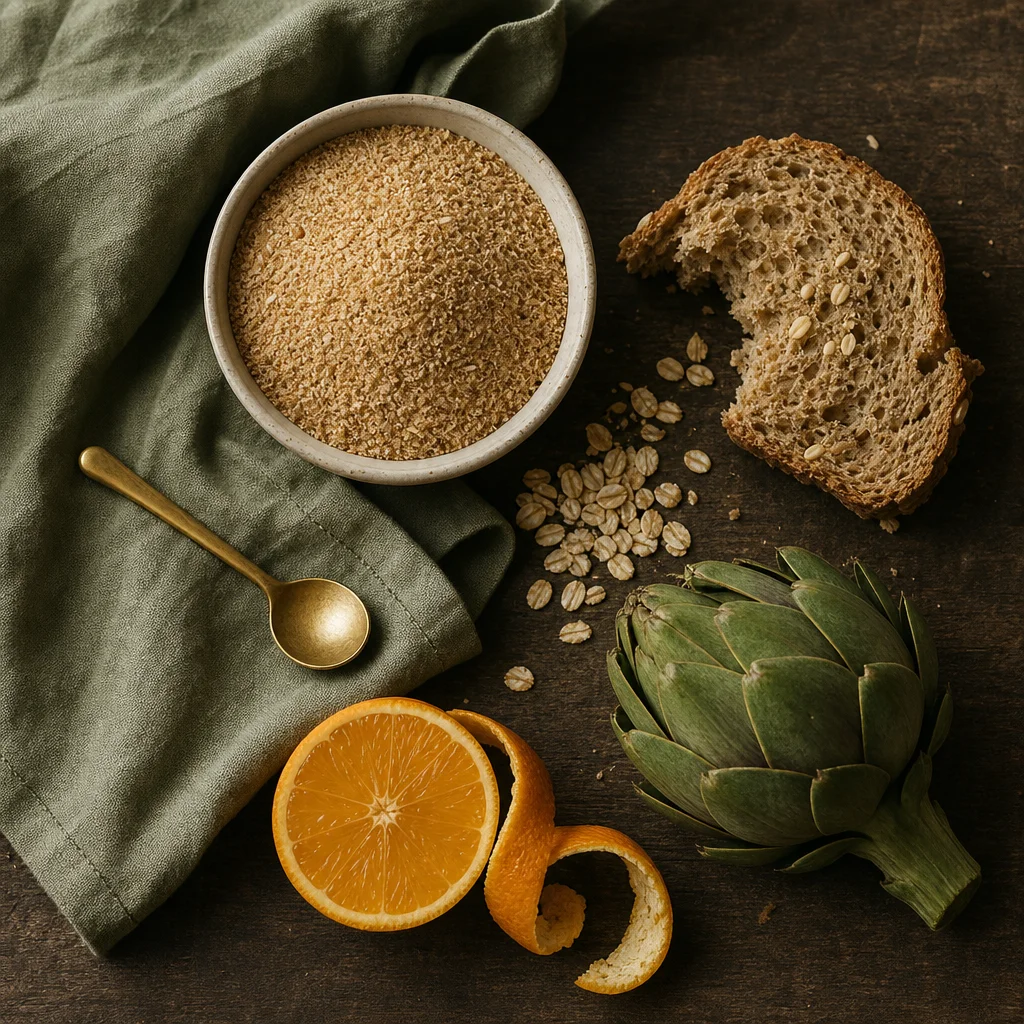
- For now, food-first is your best move: rice bran, whole wheat, oats, citrus, and artichokes.
If you live with irritable bowel syndrome, you know the drill. One day your gut is fine. The next, you’re cancelling plans because your stomach is in open rebellion. So when a headline about ferulic acid for IBS makes the rounds, hope flickers. Here’s what the new research actually shows — and why you shouldn’t rush out to buy supplements just yet.
Research featured in a ScienceDaily report, released July 2026, covers laboratory findings. Not human trials. That distinction matters more than the headline suggests. Let’s break it down.
Quick Answer: Can Ferulic Acid Help IBS?
The short answer on ferulic acid for IBS: promising, but unproven. New lab research found that ferulic acid calms the calcium signals behind overactive gut contractions. That could matter for diarrhea-predominant IBS. However, this is a laboratory discovery, not a proven treatment. Human studies haven’t been done, and the compound may actually worsen constipation.
What the Research on Ferulic Acid for IBS Actually Shows
First, picture the muscles in your intestinal walls as a busy highway. In a healthy gut, they contract in a steady rhythm, moving food along. But in IBS, that rhythm goes haywire.
In fact, the muscles can squeeze too hard and too often. The result is cramping and urgent bathroom trips.
This research zeroed in on the calcium signals that tell those muscles to contract. In laboratory experiments, ferulic acid stepped in like a traffic cop. As a result, it suppressed contractions triggered by several chemical messengers that normally rev the gut into overdrive.
Here’s what makes ferulic acid for IBS worth watching: it appears to target the same type of muscle contractions behind cramping and urgency. And ferulic acid isn’t some exotic new molecule. In fact, it’s a well-studied plant compound found in many everyday foods.
Why the IBS Subtype Changes the Answer
Here’s the thing about IBS, though. It isn’t one condition. It’s a spectrum. Some people deal mainly with diarrhea, while others struggle mainly with constipation. And some swing between both.
These lab findings suggest ferulic acid quiets an overactive gut. That sounds like exactly the kind of help someone with diarrhea-predominant IBS might need. But here’s the catch: ferulic acid for IBS may not help everyone. However, for constipation-predominant IBS, it could make things worse.
This is the nuance most headlines miss. The same compound that soothes one gut could slow another. It’s a reminder that gut health is deeply personal.
What This Ferulic Acid Research Does and Doesn’t Mean
First, let’s be honest about what happened here. The experiments took place in a lab dish, not in human bodies. After all, a dish can’t capture your hormones, your stress levels, or your unique microbiome.
That doesn’t make the finding worthless, though. Lab findings show researchers where to look next. As a result, they help decide which compounds deserve the time and money required for human trials.
So does that mean ferulic acid for IBS is a proven remedy? Not yet. In fact, the research doesn’t show a safe dose.
It doesn’t show who benefits most. And it doesn’t show that ferulic acid supplements work in humans.
Therefore, no responsible clinician would recommend self-supplementing based on this study alone. Want a deeper look at what the evidence says about supplements and IBS? The NIH Office of Dietary Supplements has a clear, plain-language overview.
When you see the next headline about this compound, ask two questions. Was it tested in humans? Which IBS subtype did the study include? Those answers tell you how much weight to give the hype.
Hold Off on Ferulic Acid Supplements for Now
Right now, no one knows the right dose of ferulic acid for gut health. No human trials have tested it for IBS. Safety during pregnancy, medication interactions, and long-term effects are all unknown.
If you’re curious about this compound, talk to your clinician first. In the meantime, food is the safest way to get it.
Where Ferulic Acid Shows Up Naturally in Food
The good news? You don’t need a specialty product to get ferulic acid. It’s hiding in ordinary foods you probably already eat.
Rice bran is the standout source — which makes sense, since that’s where this research began. However, the compound is also abundant in whole wheat, oats, citrus fruits (especially the peel), and artichokes. Coffee and corn contain it too, along with many other whole plant foods.
So what should you actually do today? Three things. First, keep eating a variety of whole plant foods. Rice bran, whole grains, oats, citrus, and artichokes are all gentle ways to get ferulic acid.
Second, add fiber gradually so your gut has time to adjust. Third, keep a simple symptom diary if you suspect certain foods trigger flares. That data is gold for you and your clinician.
Rice bran is easy to add to your day. Stir a spoonful into yogurt, oatmeal, or a smoothie. Just start small, and drink plenty of water.
Frequently Asked Questions
Does research support ferulic acid for IBS?
Not yet. The research is at the laboratory stage. Human trials are needed to confirm whether it works, for whom, and at what dose.
Should I take a ferulic acid supplement?
No. There’s no human evidence to support it for IBS yet. No dose has been studied, and safety isn’t established. Talk to your doctor if you’re considering it.
Which foods are highest in ferulic acid?
Rice bran, whole wheat, oats, citrus peel, and artichokes are all solid sources. Eating a variety of whole plant foods is the most reliable approach.
The Bottom Line
Here’s the honest take on ferulic acid for IBS: it’s genuinely interesting science — for the future. A compound in rice bran that calms overactive gut contractions could one day support new dietary approaches. That’s the hope for diarrhea-related digestive disorders.
But ‘one day’ is not ‘today.’ For now, the most evidence-backed way to manage IBS is still the basics. Work with your healthcare provider. Track your triggers.
Eat regular meals. Add gut-friendly foods gradually. For a trusted refresher on the basics, see the plain-language IBS guide from NIDDK.
If you live with IBS, you’re not alone in hoping for something new. That’s completely normal. Just let the science catch up first.
When human trials come, you’ll want to know. And TEOHL will be here to walk you through them.