
7-Day Insulin Resistance Diet Plan for Blood Sugar Balance
You’re eating what you think is healthy, but the energy crashes and sugar cravings keep pulling you back in. If you’ve been told you have insulin resistance or prediabetes, you know something needs to change. But a restrictive diet feels overwhelming. That’s where an insulin resistance diet comes in. It is not a fad. It is not about starvation. It is a science-backed eating pattern that can reverse insulin resistance and lower your risk of type 2 diabetes.
Key Takeaways: Your Insulin Resistance Diet Roadmap
- It is reversible. Lifestyle changes, especially diet, can make your cells sensitive to insulin again. This prevents or delays type 2 diabetes.
- Focus on three things: High fiber, lean protein, and zero added sugar. This mix keeps blood sugar steady and lowers insulin demand.
- The Mediterranean diet is a top choice. Clinical studies show it works well for insulin resistance.
- You don’t need to cut carbs. Swap refined carbs for fiber-rich whole grains, legumes, and vegetables.
- Build your plate this way: Half vegetables, a quarter lean protein, a quarter complex carbs, plus a small amount of healthy fat.
Quick Answer: What Is an Insulin Resistance Diet?
An insulin resistance diet is a balanced eating pattern designed to lower the constant demand on your pancreas. It focuses on foods that need less insulin to process. That means high-fiber vegetables, whole grains, lean proteins, and healthy fats. It cuts out added sugar and refined carbs. The goal is to help your cells respond to insulin again so your blood sugar stays stable.
What Is Insulin Resistance and Why Diet Matters
Let’s start with the basics. Insulin is a hormone made by your pancreas. It acts like a key that unlocks your cells so glucose (sugar) can enter for energy. When you have insulin resistance, that lock gets rusty. Your cells stop responding to insulin the way they should. Your pancreas tries to fix this by making more insulin. Over time, it cannot keep up.
The NIDDK estimates that about 97.6 million U.S. adults have prediabetes, a condition closely tied to insulin resistance. This sets the stage for type 2 diabetes. Here is the good news. The CDC says you can reverse insulin resistance with the right lifestyle changes.
An insulin resistance diet helps you choose foods that digest slowly and steadily. This prevents the big blood sugar spikes that force your pancreas to release a flood of insulin. Less demand on your pancreas means your cells can slowly become more sensitive again.
Why the Science Says Fiber Plus Protein Works
The formula for an effective insulin resistance diet is backed by real evidence. It comes down to three things: fiber, protein, and cutting out added sugar.
Fiber is your new best friend. A 2025 review in Clinical Nutrition looked at 51 studies with over 3,400 people. The result was clear: eating more fiber improved fasting insulin and HOMA-IR scores. Those are the gold standard tests for insulin resistance. Fiber slows down how fast your body digests carbs. This stops blood sugar from spiking. Fiber also feeds the helpful bacteria in your gut. Those bacteria create compounds that make your cells more sensitive to insulin.
Protein gives you staying power. When you pair protein with carbs, it slows stomach emptying. This lowers the total blood sugar response from your meal. Try to include a lean protein source at every meal. Eggs at breakfast work great. Grilled chicken or chickpeas at lunch are solid choices. Fish or tofu at dinner round out the day. For more ideas, see our 7-day high protein meal plan for women.
Cutting added sugar lowers the pressure. When you eat sugar, your body has to release insulin fast to handle it. By cutting added sugar, you give your insulin system a break. That constant demand is what burns out your pancreas over time.
Your 7-Day Insulin Resistance Diet Plan: A Blueprint
Here is what a day on an insulin resistance diet looks like. This outline is based on a dietitian-designed plan at about 1,500 calories. Each day aims for at least 35 grams of fiber and 70 grams of protein. These targets help keep your blood sugar steady all day.
Sample Day on an Insulin Resistance Diet
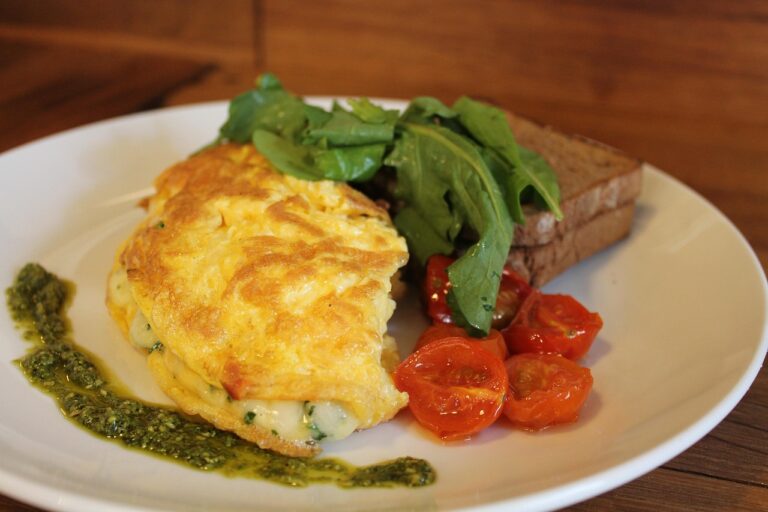
- Breakfast: Spinach and egg scramble with 1/2 cup raspberries and a slice of whole-grain toast.
- Lunch: Large salad with mixed greens, 4 oz grilled chicken, 1/2 cup black beans, 1/4 avocado, and a simple vinaigrette.
- Snack: 1/4 cup almonds and a small apple.
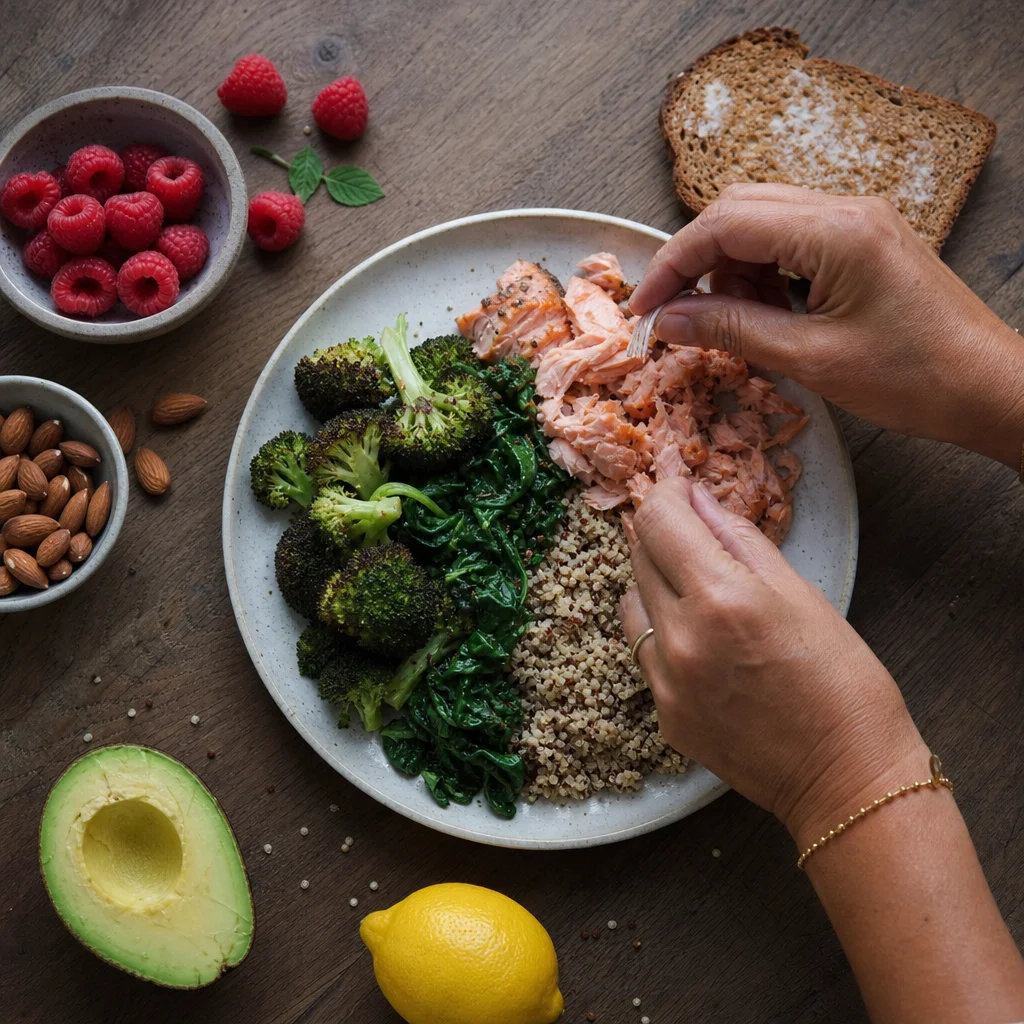
- Dinner: 4 oz baked salmon with roasted broccoli and 3/4 cup quinoa.
- Modifications: For 1,200 calories, skip the snack and use a lighter dressing. For 2,000 calories, add a second snack, like Greek yogurt with berries, and increase the quinoa to 1 cup.
The Mayo Clinic’s plate method is a great visual guide: fill half your plate with non-starchy vegetables, a quarter with lean protein, and a quarter with complex carbs like beans or quinoa.
How to Stock Your Kitchen for an Insulin Resistance Diet
Starting a new way of eating is much easier when your pantry is set up for success. Here is what to add to your cart for your insulin resistance diet:
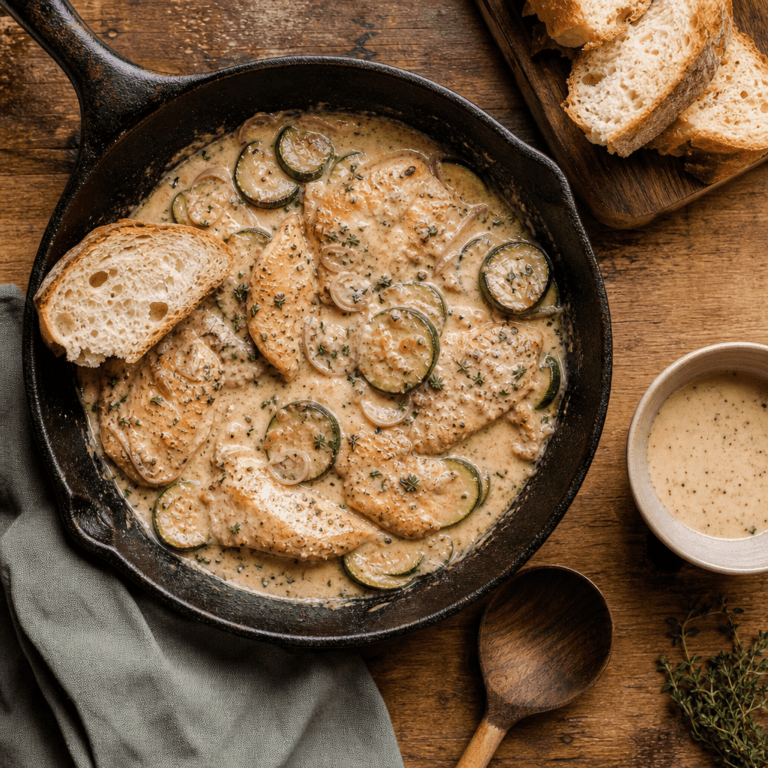
- Non-Starchy Vegetables: Spinach, broccoli, cauliflower, bell peppers, zucchini, asparagus.
- Fiber-Rich Fruits: Berries, apples, pears, and citrus.
- Lean Proteins: Chicken breast, fish like salmon or tuna, tofu, eggs, and plain Greek yogurt.
- Legumes: Lentils, chickpeas, black beans. These pack both fiber and protein.
- Whole Grains: Oats, quinoa, brown rice, and barley. Stay away from “white” or “refined” labels.
- Healthy Fats: Olive oil, avocados, nuts, seeds. These help you feel full and satisfied.
Beyond the Plate: Move, Sleep, and Destress
Food is the foundation, but it is not the whole story. The Diabetes Prevention Program from the NIDDK showed that losing just 5% to 7% of your starting weight through diet and physical activity can lower your chance of getting type 2 diabetes. Later studies showed this protection lasts at least 15 years.
The American Diabetes Association recommends physical activity as one of the best ways to fight insulin resistance. Moving your muscles helps them pull glucose out of your blood without needing as much insulin. A simple 30-minute brisk walk five days a week can make a big difference.
On the flip side, chronic stress and poor sleep raise cortisol levels. That directly makes your cells more insulin resistant. The CDC points out that managing stress and getting enough sleep are just as important as your diet.
Frequently Asked Questions
Can I eat fruit on an insulin resistance diet?
Yes. Fruit is full of fiber and antioxidants. Pick whole fruits over juice. Berries, apples, and pears are great picks because their fiber is mostly in the skin. Pair fruit with a protein like nuts or yogurt to slow down sugar absorption.
Do I have to give up carbs forever?
No. The goal is not cutting carbs, it is upgrading them. Switch from white bread and pasta to whole grains, legumes, and vegetables. A baked sweet potato with the skin affects your blood sugar very differently than a sugary soda. Quality matters more than elimination.
How fast will I see results?
Everyone is different. Some people notice steadier energy and fewer cravings within the first week. Many see initial blood sugar improvements within a few weeks. The most meaningful changes happen over 3 to 6 months of consistent effort.
The Bottom Line
Reversing insulin resistance is one of the most empowering things you can do for your long-term health. An insulin resistance diet is not a punishment. It is a way of eating that works with your body instead of against it. Start with one meal. Stock your fridge with whole foods. Move your body. Get some sleep. Your cells will thank you.
Important: This article gives general dietary guidance. Always talk with your healthcare provider or a registered dietitian before making big changes to your diet. This is especially true if you take medication for blood sugar or have other health conditions.