
Prebiotic Sodas: Healthy or Hype? What New Data Shows
Key Takeaways
- A new study at NUTRITION 2026 found prebiotic sodas average 5g of sugar and 5g of fiber per can – but fiber ranges from just 2g to 9g depending on the brand.
- Prebiotic sodas have more sugar than diet soda or sparkling water but less than regular soda. They are a better choice than soda – not a health supplement.
- Inulin (the fiber in these drinks) has real prebiotic benefits. But the amount in one can may be too low to help your gut much.
- Whole foods like oats, lentils, garlic, and onions give you more fiber and gut benefits per dollar than any canned drink.
- If you have IBS or FODMAP issues, start with half a can. Inulin can cause bloating and gas.
Picture this: you are in the grocery aisle eyeing those colorful cans of prebiotic sodas you have seen all over social media. They promise gut health and less sugar. They cost nearly three dollars a can. And a brand new study suggests the truth may not match the ads.
Presented at NUTRITION 2026 in Washington D.C., the study looked at 108 prebiotic sodas. Researchers from UNC Chapel Hill found these trendy drinks often have more sugar and less fiber than their labels claim.
Here is what the data actually shows. Plus how to decide if prebiotic sodas belong in your cart – or if your money is better spent elsewhere.
Quick Answer: Are Prebiotic Sodas Healthy?
They are a better choice than regular soda – less sugar, some fiber. But they are not a real gut health fix for most people. Think of them as a healthier treat, not a health product. Swap your daily Coke for one? Great. Buy them hoping for big gut changes? You will likely be let down.
The New Study on Prebiotic Sodas: What the Data Shows
The study was led by Carlos R. Soto Díaz, MPH, a PhD candidate at UNC Chapel Hill. His team used the Mintel Global New Products Database. They looked at every prebiotic soda launched in the U.S. between 2021 and 2025. The work has not been peer reviewed yet. But it gives us the best look so far at this fast growing category.
Here is what they found in an average 12-ounce can:
- 35 calories
- 5 grams of sugar
- 5 grams of fiber
But here is the catch. That fiber number changes a lot by brand. Some cans have as little as 2 grams. Others pack up to 9 grams. And nearly two thirds of these drinks have non-nutritive sweeteners like stevia.
Compared to other drinks, prebiotic sodas sit in the middle. They have less sugar than regular soda and fruit drinks. But they have more sugar than diet soda and flavored sparkling water. So what you are replacing matters.
How Popular Prebiotic Sodas Compare
Not all prebiotic sodas are the same. Here is how the top brands stack up per 12-ounce can:
| Brand | Fiber | Sugar | Calories | Sweetener |
|---|---|---|---|---|
| Olipop | 9g | 4g | 45 | Stevia |
| Poppi | 2–3g | 5g | 30 | Stevia |
| Bloom | Not specified | 4g | 20 | Stevia |
Data from brand labels and the NUTRITION 2026 study. Prices vary by store, typically $2 to $3 per can.
A few things stand out. Olipop gives you 9 grams of fiber per can – that is a real amount. Poppi gives only 2 to 3 grams. The FDA says a “good source” of fiber has at least 3 grams per serving. An “excellent source” has 5 grams or more. Poppi’s own label says it is “not a significant source of fiber.”
What Does “Prebiotic” Actually Mean?
Let us be honest – the word “prebiotic” gets tossed around a lot. Here is what it actually means. The NIH Office of Dietary Supplements says prebiotics are complex carbs. They are fibers like inulin and FOS. Gut bacteria use them as fuel.
The International Scientific Association for Probiotics and Prebiotics (ISAPP) has a clear definition. A prebiotic is “a substrate that is selectively utilized by host microorganisms conferring a health benefit.” That last part matters a lot. For a substance to be called a prebiotic, it must be shown to actually help your health – not just have fiber.
Here is the problem. The term “prebiotic” on a label has no set fiber amount in the U.S. market. A can with 2 grams of inulin can call itself prebiotic. So can a can with 9 grams. Dietitian Monique Richard told Healthline the study “reveals important information about the nutritional composition of these products despite their ‘health halo’ image.”
Does the Fiber in These Drinks Actually Help Your Gut?
This is where things get interesting. Inulin is the main fiber used in most prebiotic sodas. And inulin has real, proven benefits. A 2022 review in Advances in Nutrition found that inulin-type fibers boost good bacteria like Bifidobacterium and Lactobacillus. They also help your gut barrier, improve regularity, and may help with calcium absorption.
So yes, inulin works. But the amount you take matters. The amount in one can of prebiotic soda – especially a brand like Poppi with just 2 grams – is on the low end of what studies typically use. Dr. Eamonn Quigley, a gastroenterologist at Houston Methodist, told his hospital: “We currently don’t have enough evidence about these prebiotic sodas to evaluate the claims made by the manufacturers.”
Fiber Reality Check: What 5 Grams Looks Like in Real Food
Before you spend $3 on a can, think about this. Five grams of fiber is about the same as: 1/2 cup of cooked oats with berries, or 1/2 cup of cooked lentils, or 1 medium apple with skin, or 2 tablespoons of chia seeds in water or yogurt. Whole foods win on fiber, cost, and nutrients.
Who Should Be Careful with These Drinks
Here is something most ads do not tell you. Inulin is a high-FODMAP food. If you have IBS, IBD, or a sensitive gut, one can may cause bloating, gas, and stomach pain within hours.
Cleveland Clinic dietitian Julia Zumpano, RD, LD, put it simply: “Some people only eat 10 grams of fiber per day. If you double that amount with a prebiotic drink, you are probably going to feel it.” She suggests starting with half a can if you are not used to high-fiber foods.
If you have a sensitive stomach, take it slow. See how your body reacts. Skip these drinks if you follow a low-FODMAP diet for IBS.
Whole-Food Ways to Support Your Gut That Actually Deliver on Fiber
Here is the truth. You can get more prebiotic fiber from your kitchen than from any can. And research suggests whole foods may help your gut more than isolated fibers. A 2025 review in The Journal of Nutrition found that dietary fibers from food sources can enrich a wide range of good gut bacteria. The type and mix of fiber sources matters.
Here are some of the best whole-food prebiotic sources:
- Garlic and onions – rich in inulin and FOS
- Oats – a bowl with berries and chia seeds is a fiber powerhouse
- Lentils and beans – one cup of cooked lentils has about 15 grams of fiber
- Bananas – slightly green ones have more resistant starch
- Asparagus – one cup has nearly 3 grams of fiber
- Nuts and seeds – chia, flax, and almonds are easy to add
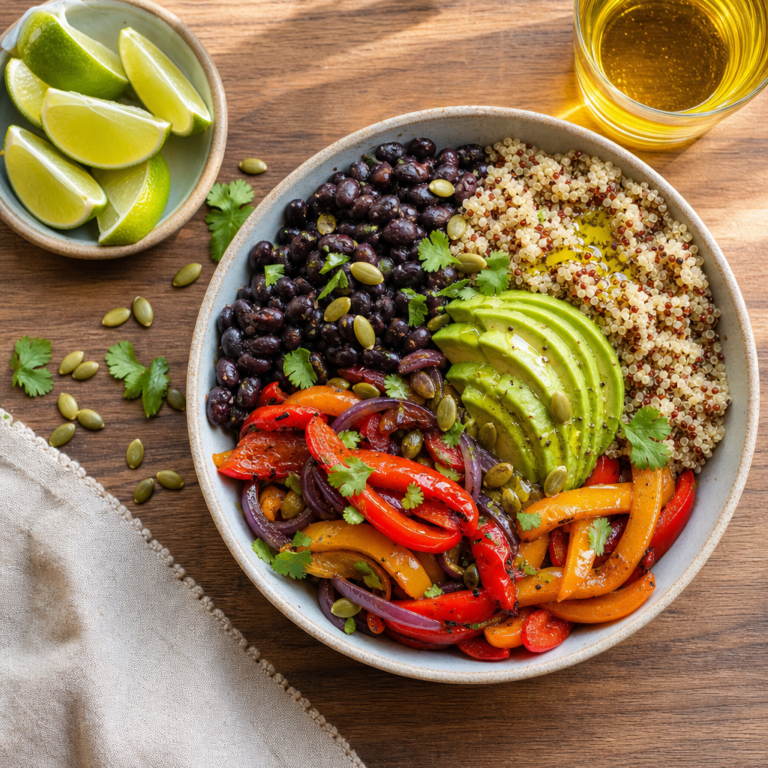
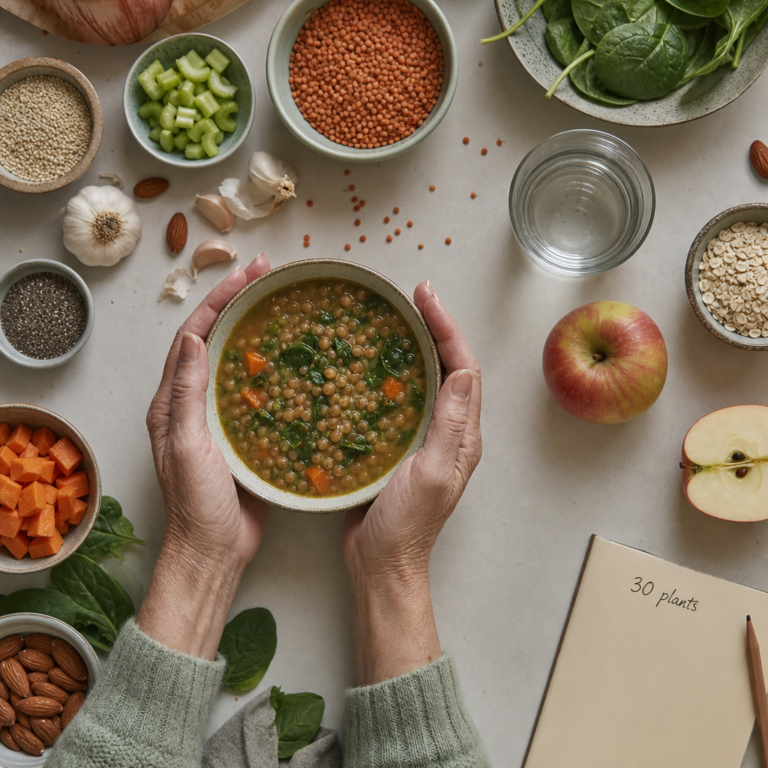
As dietitian Monique Richard told Healthline: “A simple bowl of oatmeal with berries and chia, lentil soup with onions and garlic, or a bean-and-vegetable grain bowl can provide a much more diverse package of fibers and plant compounds than a single isolated fiber added to a beverage.”
When Prebiotic Soda Makes Sense vs. When It Does Not
It does not have to be all or nothing. Here is a simple way to decide:
✅ Choose a prebiotic soda when…
You are replacing a regular soda or fruit drink. Any swap that cuts your sugar is a win. Think of these as a “better soda” – not a health food, but a real step up from the standard stuff.
❌ Skip the prebiotic soda when…
You are buying it for the health perks. If gut health is your goal, spend your money on oats, lentils, garlic, and onions. Also skip it if you have IBS or already eat plenty of fiber.
FAQ: Prebiotic Sodas, Answered
Q: Are prebiotic sodas a scam?
No – they have real fiber, and some brands give you a good amount. But ads often stretch the truth. Think of them as a healthier soda, not a gut health fix.
Q: Can I drink them every day?
If you feel fine and it replaces a less healthy drink, daily use is fine for most people. Just do not rely on them for your fiber needs.
Q: Which brand has the most fiber?
Olipop leads with about 9 grams per can – nearly a third of your daily needs. Poppi has just 2 to 3 grams.
Q: Do they cause bloating?
They can, yes. This is especially true if you are not used to fiber or have IBS. The inulin is high-FODMAP. Start with half a can.
The Bottom Line
Here is what I want you to remember. Prebiotic sodas are not bad for you. But they are not the health fix the ads suggest. They sit in the middle – a step up from regular soda, a step down from whole foods.
If you like them and they help you drink less soda, go ahead. But if you are spending $3 a can hoping to fix your gut health, try oatmeal, lentils, or apples instead. Your gut and your wallet will both thank you.
The goal is not to take the fun out of food. It is to help you know the difference between a product with something good in it and a diet that actually delivers real health benefits.