

7-Day Anti-Inflammatory Meal Plan: High-Protein, No Sugar
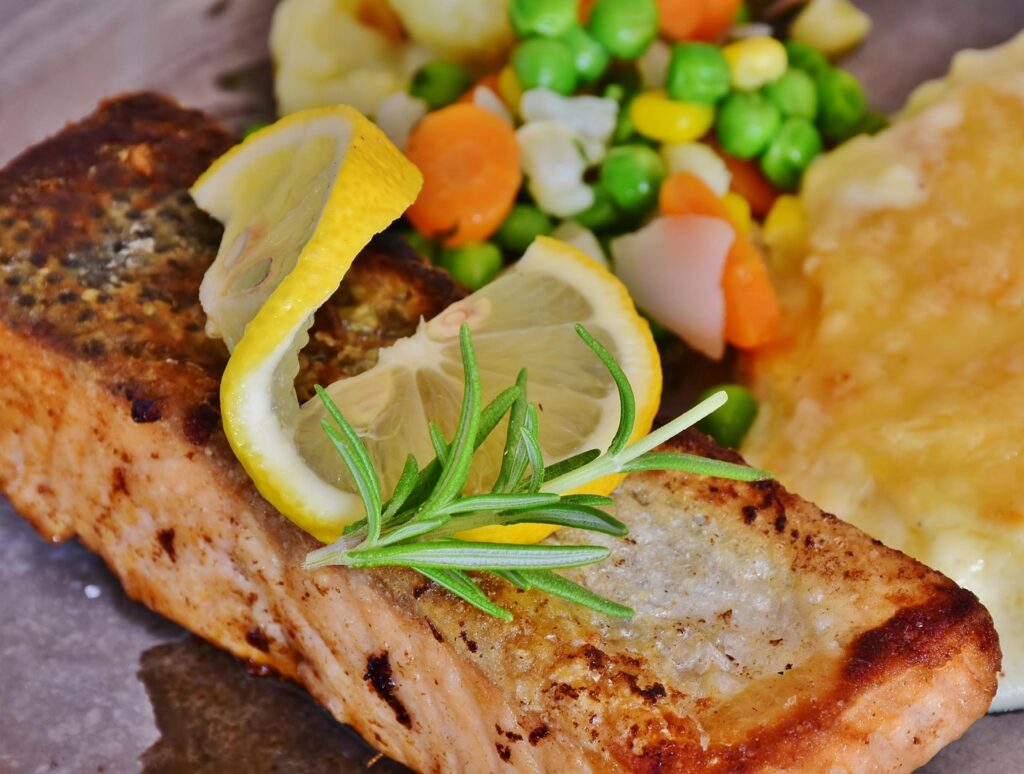
You know that sluggish, mid-afternoon feeling. The one where your energy crashes, your brain gets foggy, and you reach for anything that promises a quick fix. If that sounds familiar, your body might be sending you a signal — and it’s not just about needing more sleep. Chronic, low-grade inflammation can make you feel tired, achy, and just not yourself. The good news? The food on your plate is one of the most powerful tools you have to change that. An anti-inflammatory meal plan isn’t about restriction or bland meals. It’s about eating in a way that helps your body feel its best, every single day.
Key Takeaways
- An anti-inflammatory meal plan focuses on whole, minimally processed foods that help reduce markers of chronic inflammation.
- Pairing a high-protein approach (75–100 grams daily) with no added sugar is a science-backed strategy for better energy and lower inflammation.
- Following the Mediterranean-style eating pattern has the strongest evidence for reducing inflammatory markers like CRP.
- You can see noticeable improvements in energy and well-being within two to three weeks of making the switch.
- This isn’t about perfection or deprivation — it’s about swapping inflammatory foods for satisfying, nutrient-rich alternatives that fuel your body.
Quick Answer: What Is an Anti-Inflammatory Meal Plan?
An anti-inflammatory meal plan is a structured way of eating that emphasizes whole foods — vegetables, fruits, fatty fish, nuts, seeds, legumes, and healthy fats like olive oil — while minimizing or eliminating added sugars, refined carbohydrates, and ultra-processed ingredients. It’s modeled on the Mediterranean diet, the most evidence-backed eating pattern for reducing chronic inflammation. Think of it as a diet that’s rich in antioxidants, fiber, and omega-3 fatty acids, with enough protein (around 30 percent of calories) to keep you full and satisfied.
Why an Anti-Inflammatory Meal Plan Actually Works
Here’s the thing: chronic inflammation isn’t like the acute kind you get from a cut or a cold. It’s a low-grade, persistent activation of your immune system that can last for months or years. According to Harvard Health, chronic inflammation is linked to major diseases including heart disease, diabetes, arthritis, depression, and even Alzheimer’s. The foods you eat every single day either fan that flame — or help cool it down.
A 2026 umbrella review in Nutrition Reviews found that the Mediterranean diet has the strongest evidence for reducing inflammatory markers like C-reactive protein (CRP) and interleukin-6. The review analyzed 30 previous reviews representing 225 studies. That’s a lot of data pointing in the same direction: eating patterns rich in vegetables, fruits, whole grains, legumes, fish, and olive oil consistently lower inflammation.
But here’s what’s interesting — and why this plan is different. A 2026 systematic review and meta-analysis published in Food & Function found that high-protein diets (about 30 percent of calories from protein) may modestly reduce CRP and improve liver enzymes. In other words, pairing the Mediterranean-style foundation with a higher protein intake gives you a double benefit: you fight inflammation and stay full and energized.
What Makes This Plan Different
Most anti-inflammatory meal plans tell you what to eat. They list the right foods and the wrong ones. But they leave you asking: How much protein do I actually need? How do I prep for the week? And what counts as “no added sugar” anyway?
This plan answers those questions. Every day delivers at least 76 grams of protein and 28 grams of fiber, with zero added sugar. It’s designed for 1,500 calories per day, with modifications for 2,000 calories if you need more. And it comes with a real shopping list, a step-by-step meal prep guide, and substitutions for vegetarian and gluten-free preferences.
The beauty of this anti-inflammatory meal plan is that it’s not about deprivation. You won’t be hungry. You won’t be bored. And you won’t spend hours in the kitchen wondering what to make next. Every meal follows a simple formula: lean protein + colorful veggies + healthy fat + a serving of fiber-rich carbs. That’s it.
Added Sugar vs. Natural Sugar: What You Need to Know
Let’s clear up one of the most confusing parts of any “no added sugar” plan. Cleveland Clinic notes that added sugars are a primary driver of inflammation — they spike blood sugar, trigger the release of inflammatory messengers, and contribute to weight gain and metabolic issues. That’s why this plan cuts them out completely.
Natural sugars are different. They come packaged with fiber, water, and nutrients in whole foods like fruit and unsweetened dairy. Your body processes them differently — more slowly, without the same inflammatory spike. So yes, this plan includes fruit (berries, apples, citrus) and unsweetened yogurt. It skips honey, maple syrup, agave, coconut sugar, and any ingredient ending in “-ose” on a label. Here’s a simple rule: if it comes from a plant or an animal in its original form, it’s fine. If it’s been extracted and added back to processed food, skip it.
Quick Guide: Natural vs. Added Sugar
✓ Allowed (natural sugars): Fresh and frozen fruit, plain unsweetened yogurt and kefir, vegetables (including sweet potatoes and carrots), unsweetened nut milks.
✗ Avoided (added sugars): Honey, maple syrup, agave, coconut sugar, brown rice syrup, cane sugar, high-fructose corn syrup, dextrose, maltose — and any packaged food that lists sugar as an ingredient.
Your 7-Day Anti-Inflammatory Meal Plan at a Glance
Every meal in this anti-inflammatory meal plan is designed to be simple, satisfying, and rich in the nutrients that help calm inflammation. Each day includes breakfast, lunch, dinner, and a snack — all free of added sugar and packed with protein and fiber.
For each meal, use these portions as a guide: protein about the size of your palm (3–4 ounces cooked), vegetables filling half your plate, healthy fats about the size of your thumb, and carbs about a cupped handful. Adjust portion sizes up or down depending on your energy needs and hunger cues.
Your Weekly Shopping List
Produce
Spinach (2 bags or bunches), kale, arugula, mixed greens, broccoli, asparagus, Brussels sprouts, sweet potatoes (4 medium), bell peppers (3–4 assorted), zucchini, yellow onion, garlic, lemons (4), limes (2), avocados (3–4), cherry tomatoes, cucumber, carrots, celery, fresh ginger.
Fruit
Bananas (2–3), strawberries (fresh or frozen), blueberries (fresh or frozen), raspberries (fresh or frozen), apples (2–3), oranges (2), lemons and limes for cooking.
Protein
Salmon fillets (4–6 ounces each, 2 portions), cod fillets (4–6 ounces), shrimp (8–10 ounces), boneless skinless chicken thighs or breasts (1–1.5 pounds), ground turkey (1 pound), turkey breast (1–1.5 pounds for Sunday prep), eggs (1–2 dozen), plain Greek yogurt (32–48 ounces), canned tuna or salmon for lunches.
Pantry & Grains
Quinoa (1 cup uncooked), brown rice (1 cup uncooked), wild rice (1 cup), rolled oats (for overnight oats), chia seeds, hemp seeds, unsweetened almond milk, olive oil, avocado oil, tahini, hummus, canned chickpeas (2 cans), canned lentils (1 can), black beans (1 can), corn tortillas, raw almonds, walnuts, unsweetened shredded coconut.
Spices & Flavorings
Turmeric, cinnamon, smoked paprika, ginger (fresh or ground), garlic (fresh or powder), black pepper, sea salt, Italian herb blend, cumin, cayenne (optional), fresh herbs (parsley, cilantro).
Sunday Meal Prep: Set Yourself Up for Success
Here’s the honest truth: this plan only works if you don’t have to start from scratch every single night. Spending about 90 minutes on Sunday will save you hours of decision fatigue during the week.
Step 1: Cook your grains. Make 2 cups of quinoa and 1 cup of brown rice. Store in separate containers in the fridge. They’ll last all week for bowls, sides, and lunches.
Step 2: Prep your veggies. Wash and chop bell peppers, onions, and broccoli. Roast a big tray of sweet potatoes and Brussels sprouts at 400°F with olive oil, salt, and pepper. Store in separate containers.
Step 3: Make a batch of protein. Bake 3–4 chicken thighs or breasts, seasoned with olive oil, garlic, and herbs. Hard-boil 6 eggs for snacks and lunches. Cook 1 cup of lentils for quick bowl bases.
Step 4: Whip up dressings and sauces. Make a simple lemon-tahini dressing (tahini + lemon juice + water + garlic + salt) and a vinaigrette (olive oil + vinegar + Dijon + herbs). Store in mason jars.
Step 5: Portion your snacks. Divide almonds, walnuts, and fruit into small containers or bags. Make a batch of chia pudding for easy grab-and-go mornings.
Budget-Friendly Tips
Anti-inflammatory eating doesn’t have to cost a fortune. Try these simple swaps:
- Use frozen wild-caught salmon instead of fresh — it’s just as nutritious and costs less.
- Buy frozen berries for smoothies and overnight oats. They’re picked at peak ripeness and full of antioxidants.
- Canned fish (tuna, salmon, sardines) is a budget-friendly protein source with the same anti-inflammatory benefits.
- Buy dried lentils and beans instead of canned. They’re cheaper and have no added sodium.
- Shop seasonal produce. In-season fruits and vegetables are less expensive and more nutrient-dense.
Simple Substitutions for Dietary Preferences
One of the biggest gaps in most anti-inflammatory meal plans is that they assume a one-size-fits-all approach. But you might be vegetarian, gluten-sensitive, or just not a fan of fish. Here’s how to adapt this plan to work for you.
For a Vegetarian Version
Replace fish and poultry with plant-based protein sources: lentils, chickpeas, black beans, tofu, tempeh, edamame, and hemp seeds. Add an extra 1/2 cup of cooked beans or legumes to lunch and dinner for protein. Include eggs and Greek yogurt as protein sources for breakfast and snacks. Consider adding a serving of protein powder (plain, unsweetened) to smoothies to hit your 76-gram daily target.
For a Gluten-Free Version
All the meals in this plan are naturally gluten-free or easy to adapt. Use certified gluten-free oats for overnight oats. Swap any soy sauce or tamari for coconut aminos. Corn tortillas are naturally GF — just check labels. Quinoa, brown rice, and wild rice are all naturally gluten-free and are the primary grains used here.
For a Dairy-Free Version
Swap Greek yogurt for unsweetened coconut or soy yogurt (check labels for added sugar). Use unsweetened nut milks in smoothies and overnight oats. Skip the feta in the Greek salad and add extra avocado or olives for creaminess.
Common Questions About Following This Plan
Q: How quickly will I notice a difference?
Cleveland Clinic reports that some people notice improvements in energy, bloating, and joint discomfort within two to three weeks. For full dietary transition, they recommend giving yourself three to six months. Everyone is different, so pay attention to how your body responds.
Q: Can I drink coffee or tea?
Yes! Coffee and green tea are rich in polyphenols and have been shown to have anti-inflammatory effects. Just skip the sugar and flavored creamers. A splash of unsweetened almond milk or a dash of cinnamon is fine.
Q: What about alcohol?
For the most anti-inflammatory benefit, it’s best to skip alcohol during this week. If you do drink, red wine in moderation (one glass) contains resveratrol, but the evidence for meaningful anti-inflammatory effects from moderate drinking is mixed and the negative effects of alcohol on sleep and inflammation are well-documented.
Q: Do I need to count calories forever?
Not at all. Use the calorie targets as a framework, not a rulebook. Once you get the hang of the portion sizes and food choices, you can let your hunger and fullness cues guide you. The goal is to build habits that feel natural, not to follow a rigid plan forever.
The Bottom Line
An anti-inflammatory meal plan isn’t a punishment or a temporary fix. It’s a return to the way food is supposed to work: as fuel that calms your body, stabilizes your energy, and makes you feel good in your own skin. The science is clear — the Mediterranean diet reduces inflammation, and adding a high-protein, no-sugar approach makes it even more effective for satiety and metabolic health.
But what matters most is that you start. Pick one day. Prep your shopping list. Make the overnight oats. Cook the salmon. Notice how you feel after a week. My guess is you’ll feel different — in a good way. And that’s the whole point of The Essentials Of Healthy Living: making choices that help you live better, one meal at a time.