Tylenol with Naproxen: What to Know Before You Buy
Key Takeaways
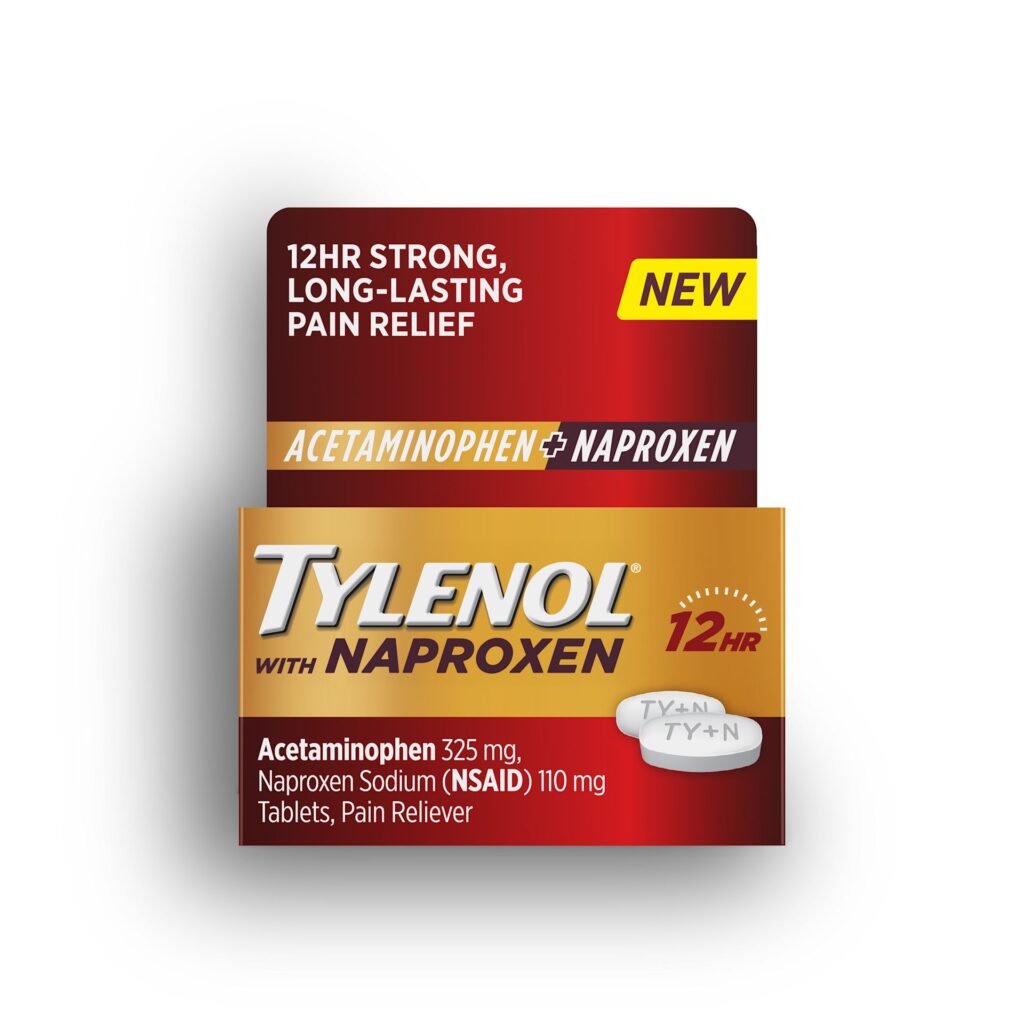
- New option available: The FDA approved Tylenol with Naproxen in July 2026 — the first OTC single-pill combo of acetaminophen and naproxen sodium.
- Dosing is simple: Two tablets (650 mg acetaminophen + 220 mg naproxen) every 12 hours. Kenvue, the manufacturer, reports it starts working in under 30 minutes — a claim supported by company studies that have not yet been published in a peer-reviewed journal.
- Convenience, not a new drug: The ingredients are well-known. The innovation is having them in one pill with precise dosing.
- Safety rules still apply: Avoid extra acetaminophen or NSAIDs. Watch for liver risk (acetaminophen) and GI bleeding risk (naproxen). Pregnant women need extra caution after 20 weeks.
Your medicine cabinet is about to get a new option — and it could change how you handle everyday aches and pains. In late July 2026, the FDA officially approved Tylenol with Naproxen, the first over-the-counter fixed-dose combination of acetaminophen and naproxen sodium. The product promises fast relief that starts within 30 minutes and lasts up to 12 hours. But here’s the real question: is this new combo better than just taking your usual Tylenol and Aleve separately? Let’s break down what this means for you, how to use it safely, and when it might — or might not — be the right choice.
Quick Answer: Is Tylenol with Naproxen Safe and Effective?
Yes — when used as directed. Tylenol with Naproxen combines two established pain relievers that work through different mechanisms. Eight company-sponsored clinical studies (not yet peer-reviewed) suggest the combo provides superior relief compared to either ingredient alone. The FDA’s approval means the product meets safety and efficacy standards for OTC use. That said, the same warnings apply: acetaminophen can cause liver damage in high doses, and naproxen carries risks of stomach bleeding, heart issues, and kidney concerns — especially with prolonged or excessive use.
What Exactly Is Tylenol with Naproxen?
The FDA officially approved Tylenol with Naproxen in July 2026 as the first nonprescription fixed-dose combination of its kind. Each dose (two tablets) delivers 650 mg of acetaminophen and 220 mg of naproxen sodium. You take it every 12 hours — that’s it.
Kenvue, the company that makes Tylenol, says the product fills a real need. Their March 2026 survey found that 75% of people with persistent pain are unhappy with their current options. The new combo is also positioned as a non-opioid alternative, which matters given that the U.S. Department of Labor reports up to 1 in 4 people prescribed opioids are at risk of addiction.
Tylenol with Naproxen is indicated for temporary relief of minor aches and pains from headaches, backaches, muscle aches, toothaches, menstrual cramps, and minor arthritis pain — for adults and children 12 and older.
How Each Ingredient Works
Acetaminophen (Tylenol): Works mainly in the brain by blocking pain signals. Good for pain but does not reduce inflammation significantly. Naproxen sodium (Aleve): A nonsteroidal anti-inflammatory drug (NSAID) that works throughout the body by reducing inflammation at the source. This is what makes it especially helpful for things like arthritis, muscle soreness, and menstrual cramps. Together, they target pain through two different pathways at once.
How Does the New Combo Compare to Taking Them Separately?
Here’s the honest truth: combining acetaminophen and naproxen is not new. People have been doing it safely for years. The main difference with this product is convenience and precise dosing.
Dr. Sean Mackey, a pain medicine professor at Stanford, told Healthline: “The combination is pharmacologically reasonable, but there is very little that is genuinely new here. The main innovation is convenience — putting two familiar drugs into one tablet.” Dr. Vernon Williams, a sports neurologist at Cedars-Sinai, told Healthline: “favorable with some caution” — noting the combo can be a helpful non-opioid alternative but warning that people may underestimate the risks just because it’s sold OTC.
So what does this mean for you? If you already take acetaminophen and naproxen together regularly, this product simplifies your routine and ensures you get the right ratio of each. But if you only need one or the other for a specific ache, buying them separately still makes sense.
The company reports that eight clinical studies showed Tylenol with Naproxen provided “superior pain relief” compared to either drug alone. Those results haven’t been published in a peer-reviewed journal yet — they’re expected at PAINWeek 2026 in September. Still, the general principle is backed by strong evidence. A 2023 systematic review of 82 studies found that NSAIDs combined with acetaminophen are among the most effective options for acute pain. And a 2022 RCT showed that naproxen alone outperformed hydrocodone plus acetaminophen for acute dental pain, with far fewer side effects.
Quick Comparison: Single-Pill Combo vs. Taking Separately
- Tylenol with Naproxen (single pill): One product, one dosing schedule (2 tablets every 12 hours). Convenient but likely costs more per dose than generics.
- Taking them separately: More flexible — you can take just acetaminophen for headaches or just naproxen for inflammation. Typically cheaper with generic options. But you need to track two different schedules and doses.
- The bottom line on cost: The combo will almost certainly cost more than buying generic acetaminophen and naproxen separately. You’re paying for the convenience and precise dosing.
Key Safety Guidelines for the New Combo
Just because Tylenol with Naproxen is sold over the counter doesn’t mean it’s risk-free. These are real medications with real safety considerations. Here’s what you need to know.
Acetaminophen liver warning: The maximum daily dose for healthy adults is 4,000 mg — but many experts now recommend a safer limit of 3,000 mg. Taking more than this can cause serious liver damage. And here’s the tricky part: acetaminophen hides in many cold and flu products, so you could accidentally overdose if you combine them. The FDA warns not to use Tylenol with Naproxen with other drugs containing acetaminophen.
Naproxen GI and heart risks: NSAIDs like naproxen can cause stomach bleeding, especially in people over 60, those with a history of ulcers, or those taking blood thinners. The risk of heart attack, heart failure, and stroke also increases with higher doses and longer use. The FDA labeling advises not to use naproxen at 20 weeks or later in pregnancy unless a doctor specifically directs you to.
If you drink alcohol regularly (3 or more drinks per day), talk to your doctor before using this product. The combination of alcohol and acetaminophen raises your risk of liver damage significantly.
Quick Safety Checklist
- ✓ Do NOT take with any other acetaminophen-containing products (check cold, flu, and sleep aid labels)
- ✓ Do NOT take with other NSAIDs like ibuprofen (Advil, Motrin) or aspirin
- ✓ Do NOT use for more than 10 days for pain or 3 days for fever without medical supervision
- ✓ Take with food to reduce stomach irritation
- ✓ If you’re pregnant, consult your doctor — especially after 20 weeks of pregnancy
Who Should Avoid This Medication
Tylenol with Naproxen is not for everyone. You should talk to a doctor before using it if you:
- Have liver disease, a history of liver issues, or drink more than 3 alcoholic drinks per day
- Have kidney disease or reduced kidney function
- Have a history of stomach ulcers or GI bleeding
- Take blood thinners (warfarin, Eliquis, Xarelto, or similar)
- Take blood pressure medication — NSAIDs can raise blood pressure
- Take daily low-dose aspirin (ask your doctor before adding any NSAID)
- Are pregnant or breastfeeding — consult your healthcare provider first
- Are 65 or older — you may be at higher risk for side effects
If you take antidepressants (SSRIs or SNRIs), talk to your doctor. Combining these with NSAIDs may increase the risk of bleeding.
Non-Medication Ways to Support Pain Relief
Here’s the part we love at TEOHL: medication is one tool in your pain management toolbox — but it’s not the only one. These simple approaches can work alongside Tylenol with Naproxen to help you feel better, often with less reliance on medication.
Heat and ice: For muscle aches and back pain, try a heating pad or warm bath to relax tight muscles. For acute injuries, swelling, or headaches, an ice pack wrapped in a thin towel can reduce inflammation. Many people find that 15 minutes of heat or ice makes a real difference between doses.
Gentle movement: Bed rest sounds appealing when you’re in pain, but gentle movement often helps more. And finding the right type of activity matters — as we explored in our guide to finding your exercise personality type, the best movement is the kind you’ll actually do. A short walk, gentle stretching, or yoga can ease back pain, menstrual cramps, and tension headaches. Listen to your body — the goal is relief, not pushing through discomfort.
Sleep and stress management: Pain and poor sleep create a frustrating cycle — each makes the other worse. Prioritizing rest — we’ve explored how sleep quality affects recovery in our article about sleeping with your pet — can help break that cycle. Finding small stress-relief practices (deep breathing, a warm cup of tea, a few minutes of quiet) also helps. When your body is well-rested, it handles pain more effectively.
Hydration and anti-inflammatory foods: Staying hydrated supports joint health and helps your body process medications safely. Eating a balanced diet rich in fruits, vegetables, and omega-3s (from fatty fish, walnuts, or flaxseeds) can support your body’s natural inflammatory response. And when you take an NSAID like naproxen, having it with food helps protect your stomach lining.
When to See a Doctor Instead of Reaching for OTC Relief
Pain is a signal from your body. Over-the-counter medications can help manage it, but they don’t treat the underlying cause. Dr. Vernon Williams, in his Healthline interview, put it simply: “They should view pain as a symptom. It’s a warning sign.”
See a healthcare provider if:
- Pain lasts more than 10 days or keeps coming back
- Pain is severe or getting worse despite medication
- You have new symptoms like fever, numbness, or weakness
- You need pain relief for longer than the label recommends
Getting a proper diagnosis is the first step to finding the right treatment — whether that’s medication, physical therapy, or another approach entirely.
Frequently Asked Questions About Tylenol with Naproxen
Q: Can I take Tylenol with Naproxen if I drink alcohol?
A: If you have 3 or more alcoholic drinks per day, talk to your doctor first. Combining alcohol with acetaminophen increases your risk of liver damage. Occasional, moderate drinking is generally safe, but it’s best to ask your healthcare provider.
Q: Can I take this if I already take daily low-dose aspirin?
A: Check with your doctor. Taking naproxen with aspirin increases your risk of stomach bleeding. Your healthcare provider can help you determine the safest approach.
Q: Is this product safe during pregnancy?
A: The FDA labeling says to ask a health professional before use if pregnant or breastfeeding. Naproxen should not be used at 20 weeks or later in pregnancy unless specifically directed by a doctor.
Q: Will it cost more than buying Tylenol and Aleve separately?
A: Almost certainly yes. Kenvue has three years of FDA exclusivity for this formulation, which typically means a higher price point. For the convenience of one product and one schedule, you’ll pay a premium. If cost is a concern, buying generic acetaminophen and naproxen separately remains a safe and effective option — just follow the same total dosing limits.
Q: Can I take this with my blood pressure medication?
A: NSAIDs like naproxen can raise blood pressure and may reduce the effectiveness of some blood pressure medications. Talk to your doctor before using this product if you are being treated for high blood pressure.
The Bottom Line
Tylenol with Naproxen is a safe, convenient new option for managing everyday aches and pains — but it’s not a game-changer. The ingredients are familiar, and the real innovation is having them together in one perfectly dosed tablet. If convenience and simplicity are worth the extra cost to you, this product could simplify your pain management routine. If you’re happy with your current approach and paying less for it, there’s no pressing reason to switch.
What matters most: use it as directed, never exceed the recommended dose, watch for hidden acetaminophen in other products, and remember that pain is a signal worth paying attention to. When in doubt, talk to your pharmacist or healthcare provider. They can help you find the option that fits your specific situation — whether that’s this new combo, the tried-and-true approach of separate medications, or non-medication strategies to support your body’s natural healing.