
5 Protein Powder Alternatives That Cost Less, Deliver More

Key Takeaways
- Most of us can meet our protein needs through whole foods alone — no powder required.
- Whole food proteins cost less per gram of protein than most powders, especially now with whey prices climbing.
- The “complete protein” concern for plant foods has been debunked. Variety across your day matters more than perfection at each meal.
- Whole foods provide fiber, vitamins, minerals, and antioxidants that protein powders simply lack.
- The 2025-2030 Dietary Guidelines recommend 1.2–1.6g of protein per kilogram of body weight — and most of us already hit this target through food.
Have you noticed the price of protein powder creeping up? You’re not alone. Whey protein concentrate prices have risen sharply, and the search for protein powder alternatives has never been more relevant. For a lot of us, this has sparked an important question: Do I actually need protein powder in the first place?
Here’s the thing. Most of us don’t. And the evidence for swapping powder for real food is stronger than ever. Whether you’re looking to save money, eat more whole foods, or just simplify your routine, switching from powder to whole food proteins is one of those rare choices where the healthier option also costs less.
Quick Answer: Do You Need Protein Powder to Hit Your Goals?
For the vast majority of healthy adults, no. The 2025-2030 Dietary Guidelines recommend 1.2–1.6g of protein per kilogram of body weight each day. Women already average 65–75g of protein daily through food alone. That’s enough for most body weights and activity levels. Whole food protein sources deliver the same amino acids — plus fiber, vitamins, minerals, and antioxidants — that no powder can match. If you have specific medical or athletic needs, talk with a dietitian. But for everyday health? You’re probably already covered.
Why Protein Powder Alternatives Make Sense Right Now
Let’s be honest. The timing of this shift isn’t accidental. Protein powder prices are climbing — multiple suppliers have reported price increases and shortages. But here’s what I find interesting: the conversation has been stuck on “what else can I buy?” instead of “do I even need to buy this?”
Protein powder alternatives — foods like Greek yogurt, cottage cheese, lentils, tofu, and eggs — deliver protein in a package that includes nutrients your body actually needs more of. Think fiber, calcium, magnesium, B vitamins, and gut-friendly probiotics. Things that get stripped away when protein is isolated into a powder.
The NIH Office of Dietary Supplements notes that protein powders are not tested or approved by the FDA before they hit store shelves. Manufacturers are responsible for their own safety and labeling. That’s a very different regulatory picture from what many people assume. Whole foods, on the other hand, come with built-in quality control — your own kitchen.
How Much Protein Do You Actually Need?
This is where things get interesting. For years, the standard recommendation was 0.8g of protein per kilogram of body weight. That worked out to about 51g per day for a 140-pound person. But the new 2025-2030 Dietary Guidelines have bumped that up to 1.2–1.6g per kilogram.
Here’s the surprise: most of us are already there. Stanford Medicine researchers report that the average American woman eats 65–75g of protein per day, and the average man eats 90–100g. That comfortably covers the new higher targets for most body weights. This makes whole food protein powder alternatives particularly practical — you’re likely already getting enough protein without ever touching a scoop.
What does that mean for you? Let’s do quick math. If you weigh 150 pounds (about 68 kilograms), you need 82–109g of protein per day at the new recommendation. A day of eating might look like this: Greek yogurt at breakfast (15g), lentil soup at lunch (18g), a chicken breast at dinner (27g), and a handful of almonds as a snack (6g). That’s 66g already — before you even count the protein in your bread, pasta, vegetables, or rice. You get the idea. You’re likely closer than you think.
The Truth About Complete Proteins
If you’ve ever heard that plant proteins are “incomplete” and need to be paired at every meal — like rice with beans — you’re not alone. This idea has been repeated in nutrition circles for decades. But modern evidence tells a different story. And it matters when you’re considering protein powder alternatives from plants.
According to Stanford Medicine experts, all plant proteins contain all essential amino acids. The difference is in proportions, not presence. And when your total protein intake is adequate — which, as we just covered, it almost certainly is — your body manages the amino acid distribution just fine across the day. You don’t need to micromanage it.
As Stanford nutrition researcher Christopher Gardner, PhD, puts it: “If you need 50g of protein per day and you only get 50g, then you’d have to be careful. But most Americans eat 80, 90, 100g. At that point the distribution doesn’t have to be perfect.” That’s a liberating thought, isn’t it?
Another myth worth leaving behind: the “anabolic window.” You may have heard that you need protein within 30 to 60 minutes after a workout for it to count. The latest research shows the window is actually closer to 24 hours. So that balanced meal you eat a couple of hours post-gym? It works just fine.
The Best Protein Powder Alternatives for Every Meal
Now let’s get practical. These five protein powder alternatives are affordable, versatile, and packed with nutrients that powders simply can’t replicate. Each one earns its spot here based on protein content, cost, and real-world usability. (Note: protein content varies by brand and type — the numbers below are standard USDA values.)
1. Greek Yogurt (25g protein per cup)
Greek yogurt naturally contains both whey and casein — the same two proteins found in most protein powders. It also packs probiotics, calcium, and B vitamins. Use it in smoothies, parfaits, sauces, or just eat it plain with fruit. At roughly $0.75–1.00 per serving (prices vary by brand and store), it costs about the same as or less than a scoop of powder.
2. Cottage Cheese (24g protein per cup)
Cottage cheese is having a moment, and for good reason. It’s rich in casein protein, which digests slowly and provides a steady stream of amino acids. It also delivers calcium and vitamin B12. Blend it into smoothies for a creamy texture, use it in dips, or eat it with berries. It’s one of the most affordable dairy options around.
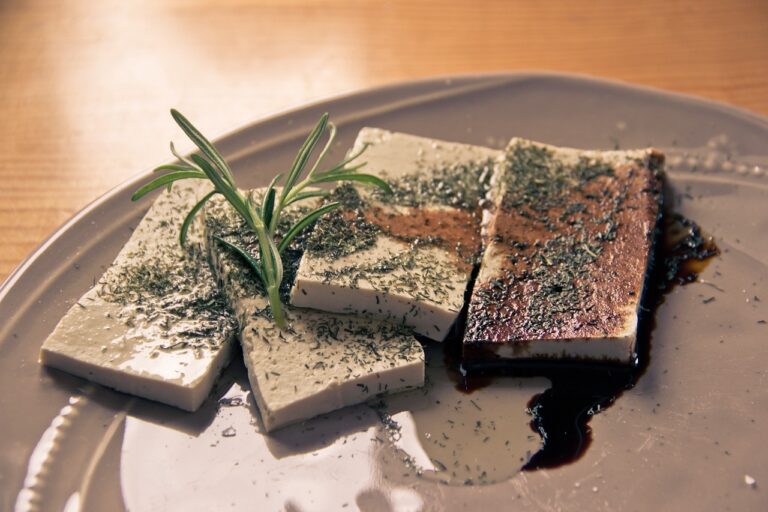
3. Tofu (22g protein per cup)
Tofu is a complete protein — it contains all nine essential amino acids. It’s also fortified with calcium in many varieties. The real magic? Silken tofu blends into smoothies to create a protein shake texture without any powder. Firm tofu works in stir-fries, scrambles, and grain bowls.
4. Lentils (18g protein per cup, cooked)
Lentils are the protein world’s unsung hero. A single cup delivers 18g of protein plus a whopping 16g of fiber — something 95% of American adults don’t get enough of, according to Stanford Medicine. Lentils are also rich in iron, potassium, and folate. Use them in soups, salads, grain bowls, or blended into dips. At about $1.50 per pound (dry), they’re among the cheapest protein sources in the store.
5. Eggs (12g protein per 2 eggs)
Eggs remain one of the most versatile and cost-effective protein sources available. Two large eggs deliver 12g of high-quality protein along with choline, vitamin D, and B vitamins. Hard-boiled eggs make excellent portable snacks. A quick egg scramble with vegetables is a complete meal in under 10 minutes.
More Protein Powder Alternatives Worth Your Attention
These didn’t make the top five, but they absolutely deserve a spot in your rotation: kefir (10g protein per cup, plus probiotics), edamame (18g per cup, complete plant protein), canned tuna (22g per 3oz, about $1 per can), pumpkin seeds (9g per ounce), chicken breast (27g per 3oz), and tempeh (20g per 100g, high in leucine for muscle building).
How Much Can You Save? A Protein-Per-Dollar Comparison
Let’s talk numbers. Keep in mind that prices vary by region, store, and brand — these are rough national estimates based on typical averages, so your actual costs may differ. A standard serving of whey protein powder costs roughly $1.20–1.80 and delivers about 25g of protein. That works out to about $0.05–0.07 per gram. Here’s how whole food protein powder alternatives compare:
- Cottage cheese: roughly $0.03/g of protein
- Greek yogurt: roughly $0.03–0.04/g
- Eggs: roughly $0.03/g
- Tofu: roughly $0.03–0.04/g
- Lentils: roughly $0.01/g — the cheapest option by far
- Canned tuna: roughly $0.05/g
The savings add up. Depending on what you choose and where you shop, replacing one daily shake with whole food proteins could save you a meaningful amount each month — and our high protein meal prep guide can help you plan it all out. Money that stays in your pocket while you get more fiber, vitamins, and minerals in the process.
For context, the American Heart Association recommends getting protein from a variety of sources — fish, legumes, nuts, seeds, lean poultry, and low-fat dairy. That variety is exactly what whole foods provide naturally, and it’s something no single powder can replicate.
Can You Get Too Much Protein?
It is possible, though uncommon with whole foods. Harvard Health notes that very high protein intakes — especially from red meat and processed sources — may increase the risk of kidney stones and heart disease. Stick with varied, mostly plant-based sources and aim for the recommended range rather than maximum.
Frequently Asked Questions
Can I build muscle with whole food protein sources?
Yes. Research consistently shows that whole food proteins support muscle protein synthesis effectively. The key is total protein intake across the day, not the specific source. Pair adequate protein with resistance training — Stanford researchers call strength training “the cake” and protein “merely the frosting.”
What if I’m dairy-free or vegan?
You have excellent options. Tofu, lentils, edamame, tempeh, pumpkin seeds, chia seeds, and quinoa are all dairy-free protein powder alternatives that provide essential amino acids. The old concern about “incomplete” plant proteins does not apply when you eat a varied diet with adequate total protein.
What should I do with my leftover protein powder?
Use it up if you already have it. There’s no need to throw it away. But as you finish the container, try subbing in Greek yogurt, silken tofu, or cottage cheese in your smoothies. You might find you don’t miss the powder at all.
The Bottom Line
Here’s what I want you to take away. The rising cost of protein powder doesn’t have to be a problem. It can be a nudge — a reminder that whole foods have always been the foundation of healthy eating, and protein is no exception.
The protein powder alternatives we covered — Greek yogurt, cottage cheese, tofu, lentils, eggs, and more — aren’t substitutes you settle for. They’re the real deal. They cost less, deliver more nutrients, and come with a level of transparency that no powder can match.
The American Heart Association recommends getting your protein from a variety of sources — fish, legumes, nuts, seeds, lean poultry, and low-fat dairy — and that advice has never been more practical. Saving money and eating better? That’s the kind of choice we can feel good about.