Best Brain Health Exercise: Why Cardio Alone Isn’t Enough
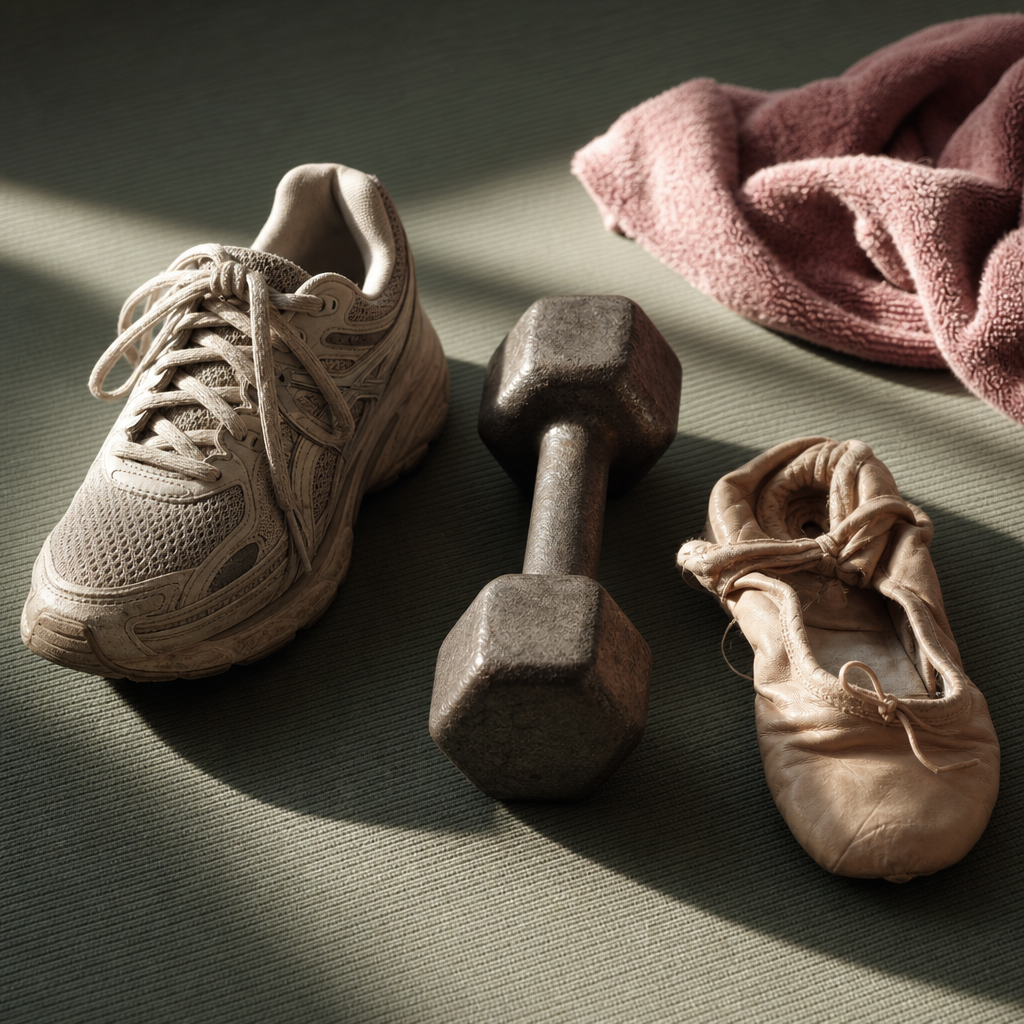
If you’re a woman who swears by your daily run or spin class to keep your mind sharp, you’re not wrong — but you may be missing a big piece of the brain health puzzle. New research shows that cardio alone may not be enough to fully protect your brain as you age. In fact, the type of brain health exercise you choose — and whether you combine different kinds — could make the difference between keeping your memory strong and leaving cognitive benefits on the table.
Because research suggests women face unique considerations when it comes to brain health as they age, knowing which workouts protect your brain is a pretty urgent question. Let’s break down what the latest science says about cardio, strength training, and the often-overlooked third pillar — coordination activities — and how to build a brain health exercise routine that truly covers all your bases.
Quick Answer: What’s the Best Exercise for Brain Health?
The best approach mixes all three: aerobic exercise (like brisk walking, jogging, or cycling) for blood flow and BDNF, resistance training (lifting weights, bodyweight moves) for IGF-1 and less inflammation, and coordination activities (dance, pickleball, tennis) for mental flexibility. Aim for 150 minutes of moderate cardio plus two strength sessions per week. Add one or two coordination activities when you can.
Why Brain Health Exercise Needs More Than Cardio
You’ve heard that aerobic exercise helps your brain. And that’s true. A 2026 review in the journal Ibrain confirmed that regular activity improves thinking skills across all ages. A separate 2026 review in Aging and Disease explains that it works by boosting blood flow to the brain and raising levels of BDNF — a protein that helps brain cells grow and stay healthy.
But here’s what many women don’t realize: cardio works through one set of pathways, while strength training works through different ones. Relying on just one type of brain health exercise may leave important brain benefits untapped.
Consider this: the AGUEDA trial, a 2026 study of 90 older adults, found that 24 weeks of resistance training (three times a week, 60 minutes per session) changed Alzheimer’s-related brain patterns and improved executive function. The benefits were strongest in people with early signs of amyloid buildup — the protein linked to Alzheimer’s. That’s a big deal. It suggests lifting weights may directly protect brain tissue.
How Cardio and Strength Training Work Differently in the Brain
Think of your brain as a complex system that needs different inputs to stay well. Cardio gives one set of benefits. Strength training gives another. Here’s how they differ:
Cardio (aerobic exercise) — When you run, swim, or cycle at a steady pace, more oxygen-rich blood reaches your brain. This triggers BDNF, which acts like fertilizer for brain cells. It also helps grow new blood vessels and makes nerve networks work more smoothly. A 2026 review in Aging and Disease notes that endurance exercise activates a key pathway — PGC-1α to FNDC5 to BDNF — along with lactate signals that further support brain fuel use.
Resistance training — Lifting weights builds muscle, but it also creates hormones and signals that help your brain directly. The same review notes that resistance exercise boosts IGF-1, a substance that helps brain cells survive. It also lowers body-wide inflammation, a major driver of mental decline. Interestingly, a women-only trial from 2020 found that 22 weeks of strength training (just twice a week) improved overall thinking, short-term memory, and the ability to do two things at once in older women — even though BDNF levels didn’t change. That tells us strength training guards the brain through different, complementary pathways.
What This Means for Your Routine
Don’t treat it as cardio versus strength training. Think of them as a pair. Each one helps your brain through a different door. Together, they cover more ground than either alone. The CDC already advises both: at least 150 minutes of moderate aerobic activity plus two or more days of muscle work per week. That baseline is a good start, but we can do better — and our guide to exercise for mental energy dives deeper into how daily movement sharpens your focus.
The Missing Piece: Coordination Activities for Mental Flexibility
Here’s where it gets interesting. Cardio and strength are vital. But there’s a third type of movement that may add even more brain protection: activities that challenge your coordination in real time.
Think about what dance, pickleball, tennis, or martial arts demand from your brain. You have to memorize sequences, sync with rhythm or a moving ball, read visual and sound cues, and adapt on the fly. That moment-by-moment mental challenge — what scientists call “cognitive engagement” — adds a layer of brain protection that steady cardio doesn’t offer. Unlike running on a treadmill, your brain can’t go on autopilot. It has to stay fully alert and flexible.
The National Institute on Aging confirms that staying mentally active supports brain health. And emerging research — including a new study on dance — suggests that pairing physical movement with mental challenge may offer unique cognitive benefits. So while you build your brain health exercise plan, don’t forget to add something that makes you think on your feet.
Your Brain Health Exercise Routine: A Practical Weekly Plan
Now that you know the “why,” here’s the “how.” This sample plan blends all three pillars — cardio, strength, and coordination — and works for any fitness level. Keep in mind: doing it regularly matters more than how hard you push.
Sample Week: Brain-Optimized Workout Schedule
- Monday: Strength training (full body, 30–45 min) — squats, lunges, rows, overhead press, planks
- Tuesday: Zone 2 cardio (brisk walk or easy jog, 30–40 min) — you can talk while you move
- Wednesday: Strength training (30–45 min) — same moves, slightly heavier or more reps
- Thursday: Coordination activity (dance class, pickleball, tennis, or complex yoga flow, 30–45 min)
- Friday: Strength training (30–45 min) + 10 minutes of high-intensity bursts (jumping jacks, burpees, sprints) to boost VO2 max
- Saturday: Longer zone 2 cardio (45–60 min in nature, if you can)
- Sunday: Rest or gentle stretching
Beginner plan: Start with two strength sessions and two 20-minute cardio sessions per week. Add coordination activities when you feel ready. Advanced plan: Bump strength to 3–4 sets per exercise and add one more high-intensity interval session.
A 2025 study in Applied Physiology, Nutrition, and Metabolism found that just eight weeks of eccentric resistance work (slow, controlled lowering of weights) boosted cognitive test scores by 10–15% in older women. That’s good news: you don’t need years of training to see brain gains. A few months of steady work can make a real difference.
Why Brain Health Exercise Matters Especially for Women
Here’s a fact that matters: women face unique brain health considerations as they age — longer life expectancy and hormonal shifts both play a role. This makes a tailored brain health exercise approach especially important for women. A 2023 meta-analysis of 12 trials with nearly 1,000 older women found that structured exercise — aerobic, resistance, aquatic, or mixed — raised BDNF levels, a direct marker of brain resilience. The women-only studies we’ve cited consistently show that strength training boosts memory and thinking skills, even through pathways that don’t rely on BDNF. For women, who face unique brain health risks, this isn’t just nice-to-know. It’s a real strategy for protecting your future self.
The Bottom Line: Build Your Three-Pillar Brain Health Routine Today
Here’s the thing: you don’t have to pick between being a runner, a lifter, or a dancer. The best brain health exercise plan includes all three. Cardio builds blood flow and BDNF. Strength builds muscle and fights inflammation. Coordination keeps your brain flexible and quick.
Start where you are. If you only do cardio today, add one strength session next week. If you lift but never dance, try a free online dance class. The science is clear: variety isn’t just more fun — it’s more protective.
Your brain is counting on you. And the best part? You can start protecting it with your very next workout.