

Menopause Symptom Relief: Why the Viral Cocktail Falls Short
Key Takeaways
- No evidence supports the cocktail. The viral combination of allergy and heartburn meds has zero high-quality trials proving it works for menopause symptoms.
- Hot flashes aren’t driven by histamine. Your brain’s temperature center uses a different pathway that antihistamines don’t affect.
- Long-term risks are real. Using these drugs daily without a doctor can hide serious health issues and cause problems with absorbing key nutrients.
- Proven options exist. Hormone therapy, FDA-approved non-hormonal meds, and simple lifestyle changes actually work.
- This trend signals a care crisis. Most women can’t get good menopause care, and many doctors lack proper training.
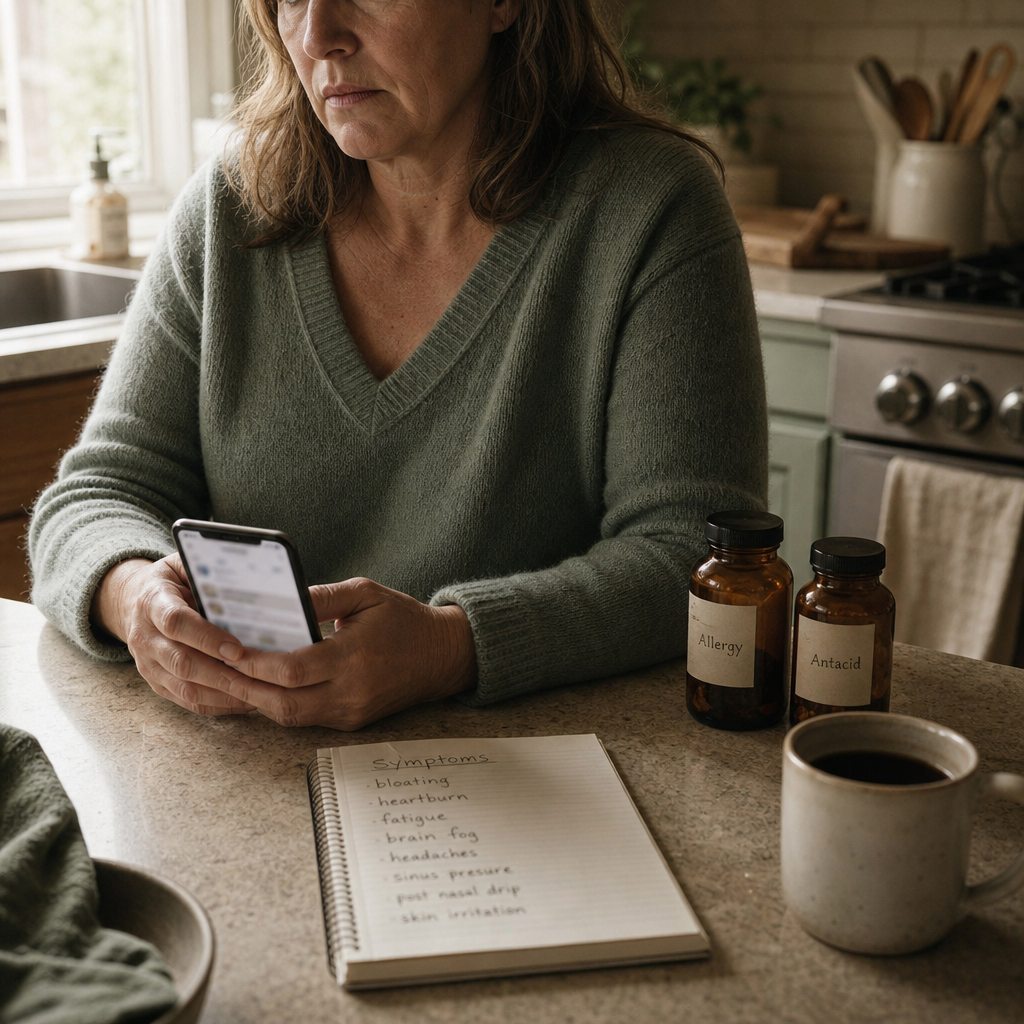
Desperate for hot flash relief, thousands of women are turning to an unlikely duo. Antihistamines like Allegra or Zyrtec paired with the antacid Pepcid — called the “menopause cocktail” — have gone viral as a DIY fix for menopause symptoms. Anecdotal reports claim this combo eases hot flashes, brain fog, anxiety, and fatigue. But here’s the thing: there’s almost no science backing it up. For women seeking real menopause symptom relief, relying on this unproven trend can do more harm than good. Let’s explore what’s behind the buzz, why the risks matter, and what actually works.
Quick Answer: Is the “Menopause Cocktail” Safe and Effective?
No. There’s a theoretical link between estrogen, histamine, and hot flashes, but this specific combination has never been tested in clinical trials for menopause symptoms. More important, the main cause of hot flashes is not histamine — it’s a brain pathway involving KNDy neurons and NK3 receptors. These meds are safe when used off and on for their intended purposes. But daily use without a doctor carries risks, including hiding serious conditions like thyroid disease or heart problems. Evidence-based treatments — from hormone therapy to FDA-approved non-hormonal options — offer real menopause symptom relief with much better safety.
Why the “Menopause Cocktail” Trend Won’t Deliver Real Menopause Symptom Relief
Here’s the part that makes sense: estrogen affects your mast cells, the immune cells that release histamine. As estrogen levels shift during perimenopause, some women notice worse allergies, skin sensitivity, and inflammation. Research confirms this estrogen-histamine link exists. So in theory, blocking histamine might help some women with certain symptoms.
But here’s what’s actually happening. Hot flashes and night sweats — the symptoms women most want to treat — are not mainly driven by histamine. They come from changes in a group of brain cells called KNDy neurons, which control your internal thermostat. When estrogen drops, these cells misfire, telling your brain you’re overheating when you’re not. That’s a hot flash.
Antihistamines don’t affect this brain pathway. A 2024 review of 26 international menopause guidelines found that antihistamines are not recommended by any major professional society — not the Menopause Society, not ACOG, not the American Academy of Family Physicians.
Think of it this way. If you want effective menopause symptom relief, using an antihistamine for hot flashes is like taking aspirin for an infection. It might dull the feeling, but it does nothing for the root cause. If you’re truly seeking menopause symptom relief, you need something that targets the actual mechanism.
The Only Guideline That Mentions Antihistamines
A 2025 Spanish menopause guideline lists fexofenadine (the drug in Allegra) as a “scientifically supported” non-hormonal option for hot flashes. This is the only major guideline worldwide that says this, and it talks about fexofenadine alone — not the cocktail. Every other major society disagrees. It’s an outlier, not a consensus.
The Real Risks of DIY Menopause Remedies
Here’s where this trend gets concerning. It’s not that antihistamines and antacids are dangerous. They’re generally safe when used as directed for allergies or heartburn. The issue is taking them daily, long-term, for something they weren’t meant to treat.
Long-term use of any daily medication without medical supervision carries risks, including possible drug interactions and issues with absorbing key nutrients. Some people also get side effects like drowsiness, dry mouth, and dizziness that can raise fall risk. But the biggest risk isn’t the side effects. It’s what these drugs can hide. A hot flash could be a thyroid problem. Constant fatigue might point to an autoimmune condition. Heart issues and other hormone imbalances can also produce similar signs — which is why we’ve covered menopause heart health in depth as a key related concern. By treating symptoms without knowing the real cause, you risk delaying a diagnosis you actually need. This is why chasing unreliable menopause symptom relief with DIY drug combos can backfire — you may be treating the wrong problem entirely.
Who Should Be Extra Careful
Avoid self-medicating with this combo if you have thyroid conditions, heart disease, kidney issues, or take medications for blood pressure, thyroid, or blood thinning. Always talk to a doctor before starting any daily OTC routine.
What Actually Works for Menopause Symptom Relief
The good news is that real, tested menopause symptom relief exists. And it starts with understanding that the best approach often combines medical treatment with lifestyle changes.
Menopausal hormone therapy (MHT). This remains the gold standard. It’s highly effective for hot flashes, cutting both how often they happen and how intense they feel. For women under 60 or within 10 years of menopause onset without health issues that rule it out, the benefits usually outweigh the risks. MHT comes as pills, patches, gels, and creams.
FDA-approved non-hormonal options. This is a game-changer for women who can’t or don’t want to take hormones. Fezolinetant (Veozah) and elinzanetant are NK3 receptor antagonists — they work directly on the KNDy neurons that cause hot flashes. Research shows they cut hot flashes effectively and improve sleep. The National Institute on Aging confirms fezolinetant and the antidepressant paroxetine (Brisdelle) as approved non-hormonal options.
Lifestyle strategies that actually help. These work alongside medical treatment and can make a real difference for mild symptoms. Keep your bedroom cool at night and layer your bedding so you can adjust. Dress in layers during the day. Carry a portable fan. Avoid triggers like alcohol, caffeine after noon, and spicy foods. Prioritize sleep hygiene. Strength training supports bone health and muscle mass during the menopausal transition and can help you feel stronger and more energetic overall. Mind-body practices like hypnotherapy and cognitive behavioral therapy also have evidence behind them.
What About Supplements and Natural Options?
Black cohosh. The NIH Office of Dietary Supplements says high-quality trials found no difference from placebo. The Cochrane review found “insufficient evidence.” ACOG and the Menopause Society do not recommend it.
Soy isoflavones. Evidence is mixed. Some studies show small benefit. The NIA notes phytoestrogens have not been consistently proven effective. If you try them, choose food sources like tofu and edamame (about 50 mg isoflavones per day) rather than supplements.
Red clover. Similar story — not enough evidence. Always talk to your doctor before taking any supplement for menopause symptoms.
Why This Trend Went Viral — and What It Reveals About Menopause Care
Let’s be honest. The menopause cocktail didn’t go viral because it works. It went viral because women are desperate for answers — and the healthcare system is letting them down.
According to a 2025 Mayo Clinic survey cited by AARP, 87% of menopausal women did not seek medical care for their symptoms. Meanwhile, according to Dr. Sadaf Lodhi, a Menopause Society Certified Practitioner, many doctors lack adequate training — 62% report their training is insufficient — and there are only about 4,100 certified practitioners for roughly 64 million women over 50. That’s one certified specialist for every 15,000 to 30,000 women.
So when a TikTok trend promises quick menopause symptom relief with drugs you already have in your cabinet, it’s easy to see why women try it. As one expert put it, “Experimenting with over-the-counter medication based on a TikTok trend is a sign that people aren’t receiving or able to access adequate support.”
A Practical Plan for Finding Real Menopause Symptom Relief
You don’t need to figure this out alone. Here’s a step-by-step plan that builds lasting menopause symptom relief from the ground up.
Start with a provider who gets it. Visit menopause.org to find a Menopause Society Certified Practitioner near you. Telehealth options are also available. Come prepared with a list of your specific symptoms — how often they happen, how intense they are, and how they affect your sleep and daily life.
Know your options. Ask about both hormone therapy and non-hormonal options. If you’re under 60 and within 10 years of your last period, MHT is likely your most effective choice. If you prefer non-hormonal options, ask about fezolinetant, elinzanetant, or SSRIs like paroxetine.
Add lifestyle changes. These support whatever medical treatment you choose. Try cooling strategies, avoid triggers, and prioritize sleep. Strength training twice a week can help. Even small changes — swapping your afternoon coffee for herbal tea, using a cooling pillow at night — add up.
Track your progress. Keep a simple symptom diary for two weeks before your appointment and for a month after starting treatment. Note hot flash frequency, intensity, sleep quality, and mood. This data helps you and your provider fine-tune your approach.
Frequently Asked Questions
Can I take antihistamines for allergies and also use HRT for hot flashes?
Yes. Taking antihistamines as needed for seasonal allergies is fine alongside hormone therapy. The concern is daily long-term use for off-label purposes. Use allergy meds as directed for allergy season and talk to your doctor about your other menopause symptoms separately.
How long is too long to take Pepcid or Allegra daily?
For occasional use — a few days to a few weeks — these meds are generally safe. For daily use beyond two weeks, check with your doctor. Long-term use without supervision can affect nutrient absorption and interact with other medications. This could undermine any menopause symptom relief you might be hoping for.
What if I have histamine intolerance? Does the cocktail make sense then?
If you have diagnosed histamine intolerance or mast cell activation syndrome (MCAS), an antihistamine-H2 blocker combo is a legitimate treatment under medical supervision. But that’s a distinct condition, not general menopause. Work with an allergist or immunologist for proper diagnosis. Don’t self-diagnose based on social media.
What questions should I ask my doctor about menopause treatment?
Start with these: 1. Based on my symptoms and health history, are hormones or non-hormonal options better for me? 2. What risks and benefits apply to my situation? 3. What lifestyle changes should I make first? 4. What results can I expect and when? 5. If one treatment doesn’t work, what’s next?
The Bottom Line
The menopause cocktail went viral for a reason — but it’s not because Allegra and Pepcid are miracle drugs. It went viral because women are struggling to find real care for a life stage that deserves far more attention than the medical system gives it.
But relief is possible. Real, tested menopause symptom relief comes from treatments that target the actual causes of hot flashes and night sweats. Hormone therapy, NK3 antagonists, lifestyle changes, and proper medical guidance all beat an unproven internet trend — every single time.
You deserve better than a viral hack. You deserve care that actually works. With the right information and the right provider, you can find real menopause symptom relief.