

Cheerios Cholesterol: Can This Cereal Really Help?
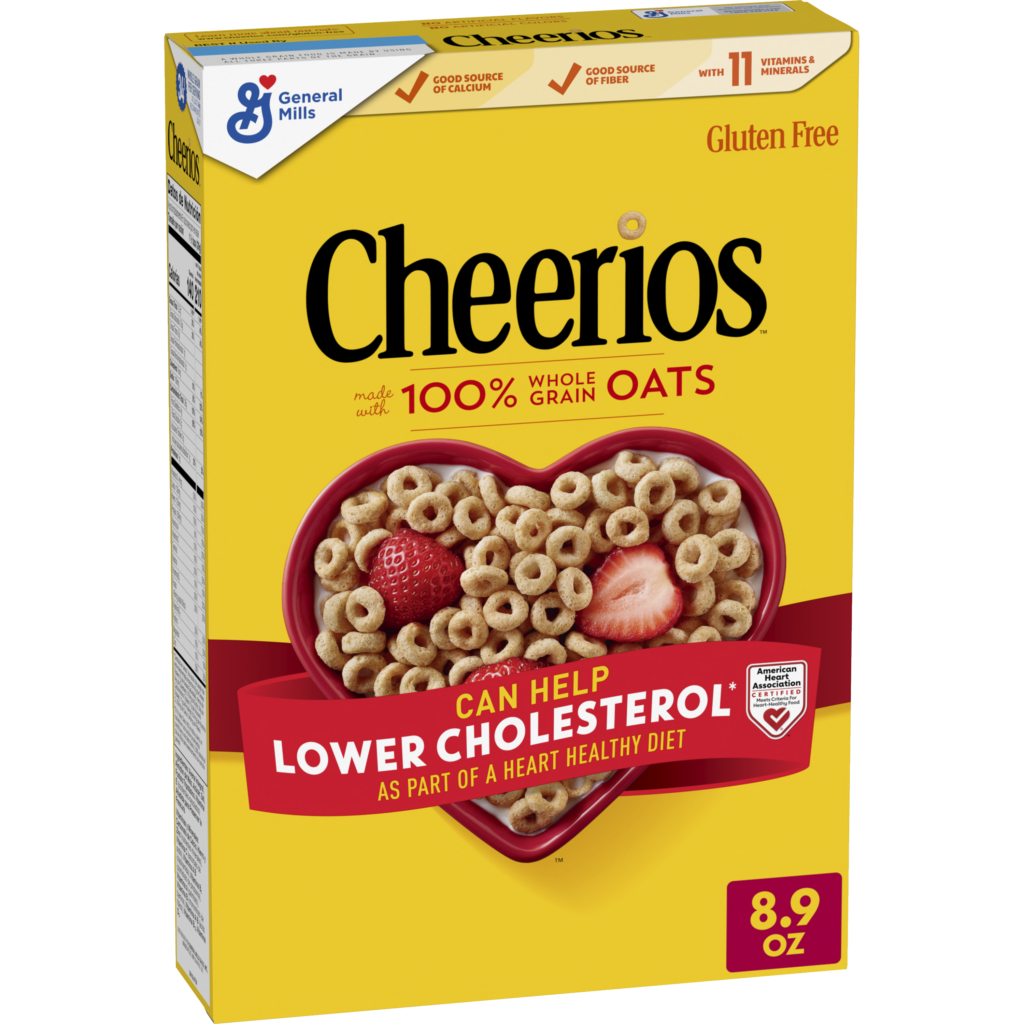
You’ve seen the claim on the bright yellow box: “May help lower cholesterol.” It’s right next to the spoonfuls of toasted O’s. But if you’re wondering whether the cheerios cholesterol benefits are real or just clever marketing, you’re not alone. Let’s look past the packaging and straight at the evidence. Here’s what heart-health experts and 50+ years of oat research actually say.
Key Takeaways
- Real effect, modest size: The beta-glucan fiber in Cheerios is backed by decades of clinical research for lowering LDL cholesterol.
- Dose matters: One serving provides only 1g of soluble fiber. You would need 3 to 10 servings daily for a clinically meaningful effect.
- Stick with Original: Flavored varieties like Honey Nut Cheerios pack 12g of added sugar, which works against heart health.
- Build your bowl: Pair Cheerios with berries, flaxseed, and nuts to turn a 1-gram fiber bowl into a 5-gram fiber meal.
- Whole oats win: Less processed oat foods like oatmeal deliver more beta-glucan per serving than puffed or extruded cereals.
Quick Answer: Can Cheerios Lower Your Cholesterol?
Yes, Cheerios can help lower cholesterol. The whole-grain oats contain beta-glucan, a soluble fiber shown in numerous clinical trials to reduce LDL (“bad”) cholesterol. The effect is modest — expect a 5 to 10 percent reduction in LDL when eaten consistently as part of a heart-healthy diet. The key is eating enough of the right variety and not relying on Cheerios alone.
What the Science Actually Says About Cheerios Cholesterol
The connection between cheerios cholesterol reduction and beta-glucan is one of the most well-studied relationships in nutrition. A 2024 systematic review of oat products for cholesterol reduction looked at 17 randomized controlled trials with over 1,700 participants. It found that oat-based products significantly reduced LDL cholesterol and total cholesterol compared to control diets.
A separate 2022 meta-analysis of oat beta-glucan’s cholesterol-lowering effects focused specifically on people with high cholesterol. It found that oat beta-glucan lowered total cholesterol by an average of 0.24 mmol/L and LDL by 0.27 mmol/L. These reductions are modest but clinically meaningful, especially when sustained over time — the same principle behind our guide to 4 evening cholesterol habits that lower LDL naturally.
On the flip side, research consistently confirms that the cheerios cholesterol claim is legitimate. A 2021 systematic review ranking foods by LDL-lowering evidence placed oats and barley at the top, alongside plant sterols, as having the strongest evidence for moderate LDL reduction. That’s high-quality science backing a simple breakfast cereal.
The Number That Matters Most: Dose vs. Reality
Here’s where the marketing meets the math. A 1.5-cup serving of Original Cheerios provides about 1 gram of soluble fiber. The FDA authorized the heart health claim based on a minimum of 0.75 grams of beta-glucan per serving. So technically, Cheerios qualifies.
But here’s the thing. Research consistently shows that meaningful LDL reductions start at around 3 grams of beta-glucan per day. That means you would need to eat three bowls of Cheerios daily just to cross the starting line. The Portfolio Diet, an eating pattern designed for maximum cholesterol reduction, recommends aiming for 10 grams of soluble fiber from all sources daily.
A 2023 dose-response analysis of soluble fiber and cholesterol looked at 181 randomized trials. It found that every 5-gram increase in daily soluble fiber lowered LDL by about 5.6 mg/dL. This doesn’t mean the cheerios cholesterol management is a myth. It just means it is one piece of a larger puzzle.
Why the Way You Eat Oats Matters
Here’s a critical nuance most articles miss. A 2023 clinical trial showing beta-glucan tablets ineffective for cholesterol tested isolated beta-glucan at doses of 1.5, 3, and even 6 grams per day. The result? No significant LDL reduction at any dose.
The researchers concluded that the food matrix matters. That’s the way the whole grain’s components work together. When you isolate beta-glucan and put it in a pill, you lose that synergy. Whole grains contain a complex structure of fiber, healthy fats, vitamins, and phytochemicals that work together to lower cholesterol.
This is good news for Cheerios. Unlike a supplement, Cheerios delivers beta-glucan within its whole-grain oat matrix. However, it also means that processing matters. The extrusion and toasting that turns oats into O’s may reduce beta-glucan’s molecular weight and effectiveness. Oatmeal, for example, contains 2 to 3 grams of beta-glucan per cup with virtually no processing beyond the oat groat itself.
How to Use Cheerios for Cholesterol the Right Way
If you want to use cheerios cholesterol benefits effectively, here’s a practical strategy that heart-health experts recommend.
First, choose the right variety. Original Cheerios has just 1 gram of added sugar per serving. Honey Nut Cheerios packs 12 grams of added sugar per cup. Research links high added sugar intake to higher triglycerides and lower HDL (“good”) cholesterol. That actively works against your goal.
Second, build around the bowl. Use Cheerios as a base, then add high-fiber toppings. A handful of berries adds 2 to 3 grams of fiber. A tablespoon of ground flaxseed or chia seeds adds another 2 to 3 grams. Add a few walnut halves for healthy fats. Suddenly, you have turned a 1-gram fiber bowl into a 5-gram fiber meal.
Third, diversify your fiber sources. Our collection of 12 cholesterol lowering lunch recipes in 20 minutes makes it easy to aim for 25 to 30 grams of total fiber per day from all foods. Fruits, vegetables, beans, lentils, nuts, seeds, and whole grains all count. The NHLBI cholesterol basics emphasize that a heart-healthy eating pattern matters more than any single food.
Better Breakfasts for Lower Cholesterol
If your primary goal is lowering LDL with your morning meal, some options deliver more beta-glucan per bite than Cheerios.
Steel-cut or rolled oats cooked into oatmeal deliver roughly 2 to 3 grams of beta-glucan per cup. Overnight oats made with rolled oats, chia seeds, and almond milk is an easy, no-cook option that delivers a potent dose of soluble fiber.
Oat-based smoothies are another excellent option. Blend rolled oats with a banana, a spoonful of almond butter, and unsweetened oat milk. It is creamy, heart-healthy, and travels well.
If you are set on cereal, look for options with at least 3 to 4 grams of fiber per serving and less than 6 grams of sugar. Read the Nutrition Facts label, not the front of the box. A 2022 large review of oat supplementation and heart health found that benefits extend beyond cholesterol to modest improvements in blood sugar, weight, and waist circumference.
Beta-Glucan Comparison: Cheerios vs. Other Oat Foods
- Cheerios (1.5 cups / 39g): ~1g soluble fiber
- Cooked oatmeal (1 cup): ~2-3g beta-glucan
- Oat bran (1/4 cup dry): ~2.5g beta-glucan
- Steel-cut oats (1/4 cup dry): ~2g beta-glucan
The less processed the oat, the more beta-glucan it delivers per serving. Oatmeal is three times more potent than Cheerios by weight.
Frequently Asked Questions About Cheerios and Cholesterol
Is oatmeal better than Cheerios for cholesterol?
Yes. Registered dietitians agree that oatmeal is better because it contains more beta-glucan per serving with less processing and fewer additives. A cup of cooked oatmeal provides 2 to 3 grams of soluble fiber, while a bowl of Cheerios provides about 1 gram. The cheerios cholesterol support is real, but oatmeal gives you more bang for your bite.
Can I eat Honey Nut Cheerios for cholesterol?
Not recommended. Honey Nut Cheerios contains 12 grams of added sugar per cup. High added sugar intake is linked to higher triglycerides and lower HDL (“good”) cholesterol. If you want to use Cheerios for heart health, stick with the Original variety which has just 1 gram of added sugar per serving.
How long does it take to see results from eating Cheerios?
Research shows that consuming 3 grams of soluble fiber from oats daily for at least four weeks can lower total and LDL cholesterol. Since Cheerios provides 1 gram per serving, you would need three servings daily for at least a month to see measurable changes. Combine it with other fiber sources for faster, more meaningful results.
What cereal is best for lowering cholesterol?
Look for cereals with at least 3 to 4 grams of fiber per serving and less than 6 grams of added sugar. Oat-based cereals are ideal because they contain beta-glucan. Read the ingredient list and Nutrition Facts label rather than trusting front-of-box marketing claims.
The Bottom Line
Cheerios can absolutely be part of a cholesterol-lowering diet. The beta-glucan is real, the science is solid, and the FDA health claim is legitimate. But the dose makes the difference. One bowl is a start. Three bowls is better. A diverse, fiber-rich diet is best.
Don’t let the marketing convince you that one food fixes everything. Heart health is built meal by meal, not bowl by bowl. Choose Original over sweetened varieties, build your bowl with fiber-rich toppings, and remember that whole oats deliver the most potent dose. Your heart will thank you for the big picture, not just the little O’s.