
Microplastics Removal: New Tech & What You Can Do Now
Key Takeaways
- New nanobubble technology removes over 90% of microplastics from wastewater in lab tests, with up to 97% removal of certain plastics like polystyrene.
- Boiling hard tap water for 5 minutes can reduce microplastic content by up to 90% right at home, with no special equipment needed beyond a glass pot and a filter.
- Simple kitchen swaps — glass storage, wooden utensils, cold water laundry — can meaningfully reduce your daily exposure without demanding perfection.
- The science is clear that microplastics are present throughout the human body, but the health risks are not fully understood. The right approach is to be aware, not alarmed.
Here’s the thing about microplastics removal — it’s finally getting some good news. For years, the headlines have been tough. Microplastics in our water. In our food. Inside our bodies. It’s enough to make anyone feel a little stuck. But a breakthrough technology is changing the story. Scientists have developed a method using tiny bubbles — smaller than a speck of dust — that can pull up to 95% of microplastics out of wastewater. And that’s not the only hopeful development. Let’s explore what’s actually happening, what it means for your tap water, and what you can do today without overhauling your entire life.
Quick Answer: Can I Remove Microplastics from My Water?
Yes, and you actually have several options. Right now, boiling hard tap water for 5 minutes can remove up to 90% of microplastics. Water filters with NSF/ANSI 401 certification also help. In the near future, nanobubble technology currently tested at wastewater plants could be adapted for drinking water treatment, offering even more effective removal at scale. The best approach? Combine simple at-home habits with the knowledge that scientists are working on bigger solutions.
What Is Microplastics Removal Technology?
Let’s start with a quick definition. The EPA defines microplastics as plastic particles ranging from 5 millimeters down to 1 nanometer — that’s smaller than the width of a human hair. They come from two main sources: primary microplastics that are intentionally made small (like the microbeads once common in face scrubs), and secondary microplastics that break off from larger plastic items as they degrade over time.
When we talk about microplastics removal, we mean any method that captures or filters these tiny particles from water, air, or food. Until recently, the options were limited. Wastewater treatment plants already do an impressive job — they remove 80 to 99% of microplastics from the water they process. But here’s the catch: with the vast volumes of water they handle every day, even a small percentage of escaping particles adds up to a significant environmental release.
That’s where the new technology comes in. Recent peer-reviewed research confirms that advanced methods are needed to close the gap between current treatment and truly clean water. And a team of researchers at RMIT University in Australia may have found exactly that.
How Nanobubble Technology Works
Here’s the part I find really exciting. Dr. Biplob Pramanik, the lead researcher of the nanobubble study, explains it simply: his team uses two types of bubbles that work together. Microbubbles — still tiny at 10 to 100 micrometers — provide buoyancy. They lift particles to the water’s surface. Nanobubbles — even smaller, under 1 micrometer — have unique surface properties that help microplastics clump together. Think of it like a cleanup crew: nanobubbles gather the scattered trash into piles, and microbubbles float those piles up to where they can be scooped out.
The results are striking. In laboratory tests, the combined system removed up to 95% of polyethylene — the most common type of plastic — and up to 97% of polystyrene, the stuff used in packing peanuts and Styrofoam. That’s over 90% microplastics removal from wastewater in a single process.
Could This Technology Filter Your Tap Water One Day?
Dr. Pramanik believes it could. He told reporters that the system “could be adapted for drinking water treatment because it is based on physical separation and flotation principles already used in water treatment facilities.” But he’s honest about the timeline: drinking water applications will need more testing to ensure consistent removal of very small particles while meeting strict safety standards. So this isn’t something you can use at home today — but it’s a genuinely promising solution on the horizon.
What We Know About Microplastics and Health
It’s important to understand the full picture. A 2026 systematic review published in the Science of the Total Environment found microplastics and nanoplastics consistently present across a wide range of human biological matrices — blood, stool, skin, placenta, lungs, liver, and breast milk. The most common types detected were polyethylene (think shopping bags and bottles), polypropylene (food containers and bottle caps), and polystyrene (foam products).
What does that mean for your health? A narrative review in the International Journal of Toxicology found that once these particles enter the body, they may trigger inflammation, disrupt the gut microbiome, and affect the respiratory and endocrine systems. There’s also evidence that research shows a weak association between microplastic exposure and certain health concerns like cancer — but that link is not conclusive. Cohort studies haven’t confirmed it, so the evidence is mixed.
Here’s the key takeaway: microplastics removal matters because these particles are inside our bodies and may contribute to health issues over time. But the science is still evolving. That’s exactly why Dr. Pramanik’s advice rings so true: “People should be aware of microplastics rather than alarmed.”
Simple Ways to Reduce Microplastics in Your Daily Life
While scientists work on large-scale solutions, there’s plenty you can do right now. The goal isn’t perfection — it’s progress. Here are the most impactful, research-backed steps you can take.
1. Drink Tap Water, Not Bottled
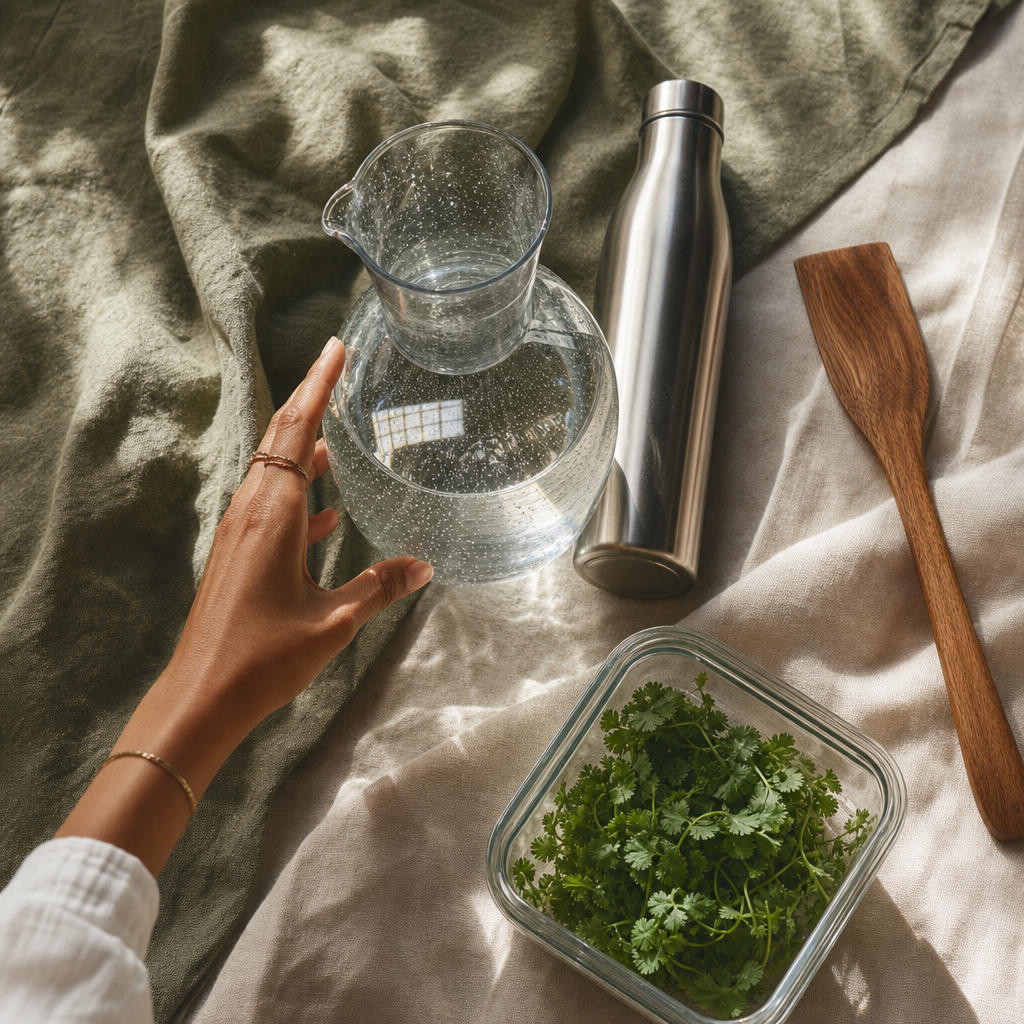
This is the single most effective swap. A landmark study from Columbia University found that one liter of bottled water contains roughly 240,000 detectable nanoplastic fragments. Tap water has far fewer. Carry a stainless steel or glass bottle instead.
2. Boil Your Tap Water
If you have hard water (high in calcium and magnesium), boiling it for 5 minutes can remove up to 90% of microplastics. The heat causes calcium carbonate to form — that chalky limescale — which traps the plastic particles. Let the water cool without stirring, then filter out the residue with a coffee filter or pour carefully. Use a glass or stainless steel pot, never plastic.
3. Swap Plastic Kitchen Tools
Plastic spatulas, cutting boards, and nonstick pans shed microplastics into your food, especially when heated or scratched. Switch to wooden spoons, metal spatulas, and glass or stainless steel cookware. Store leftovers in glass containers, not plastic.
4. Never Microwave Food in Plastic
Heat causes plastic to release millions of microplastic particles and billions of nanoplastics into your food. Always transfer leftovers to a glass or ceramic dish before reheating.
5. Choose Natural Fibers for Bedding and Clothing
Synthetic fabrics like polyester and nylon shed microfibers with every wash and every step. Choose cotton, linen, or wool where you spend the most time — especially your bed. Wash synthetic items in cold water and line dry when possible to reduce fiber shedding.
6. Reduce Dust at Home
Research shows that microplastics in indoor air and dust can be inhaled — and indoor exposure often exceeds outdoor exposure. Use a HEPA air filter. Opt for natural fiber rugs instead of synthetic carpet. Dust with a damp cloth rather than a dry one.
Practical Microplastics Removal Steps for Your Home
When it comes to practical microplastics removal at home, think of it as a layered approach. You don’t need to do everything at once. Start with one or two changes that feel manageable, then build from there.
Your Microplastics Reduction Checklist
This week: Swap your plastic water bottle for stainless steel or glass. Transfer leftovers from plastic containers to glass before microwaving. Wash your rice before cooking (studies show this removes microplastic contaminants).
This month: Replace one plastic kitchen tool (start with the spatula you use most). Try boiling your tap water if you live in a hard water area. Switch to cold water washes for synthetic clothing.
This year: Gradually replace plastic storage containers with glass. Add a HEPA air filter to your bedroom. Consider natural fiber bedding when it’s time to replace your sheets.
Frequently Asked Questions
Do water filters remove microplastics?
Yes, but it depends on the filter. Look for NSF/ANSI 401 certification, which specifically covers microplastic removal. Reverse osmosis systems are generally considered highly effective. Basic pitcher filters are not specifically tested for nanoplastic removal — for that, you’d want NSF/ANSI 401 certification or a system designed for fine particle filtration.
Is bottled water worse than tap water?
Yes, significantly. The Columbia University study found roughly 240,000 plastic fragments in a single liter of bottled water. Tap water contains far fewer. If you’re concerned about microplastics, switching to filtered tap water is your best move — and microplastics aren’t the only contaminant worth knowing about. We’ve also covered what the research says about PFAS in produce.
Does the nanobubble technology work for drinking water yet?
Not yet for home use. The technology has been tested in wastewater treatment settings with excellent results. Researchers believe it can be adapted for drinking water treatment, but more testing is needed to meet safety standards. It’s a hopeful development, not a current home solution.
Should I be worried about microplastics in my food?
Be aware, not alarmed. Microplastics are widespread, but the health effects are still being studied. Simple steps — like washing rice, avoiding processed foods, and using glass storage — can reduce your exposure without causing stress about every meal.
The Bottom Line
Here’s what I want you to remember: microplastics removal is both a personal and a technological challenge — and progress is happening on both fronts. Scientists are developing solutions like nanobubble technology that could one day remove over 90% of microplastics from our drinking water. Meanwhile, small changes in your kitchen and laundry routine can reduce your exposure right now.
You don’t need to overhaul your entire life. Pick one swap this week. Drink tap water instead of bottled. Use a glass container instead of plastic. Wash your rice before cooking. These small actions add up, and they’re worth doing — not from a place of fear, but from a place of simple, healthy awareness.
As Dr. Pramanik puts it: “People should be aware of microplastics rather than alarmed.” That’s the TEOHL approach too. Stay informed. Take practical steps. And trust that the solutions are coming.