
Summer Skillet Dinners: 20-Minute Healthy Meals
Key Takeaways
- Smarter summer cooking: One-skillet dinners keep your kitchen cooler, cook faster, and cut down on cleanup — removing the biggest barriers to home cooking.
- Better for you: Quick high-heat cooking preserves more nutrients than methods like boiling, and cooking at home more often is linked to better diet quality.
- Easy formula: Build your own 20-minute skillet dinner with three elements — protein + seasonal vegetable + quick sauce — using whatever peak produce you have.
Got a kitchen that feels like a sauna by 6 PM? You are not alone. Summer heat makes turning on the oven feel like a punishment. But here’s the thing — summer skillet dinners solve the problem better than takeout ever could. They cook fast, keep your kitchen bearable, and let you use every zucchini and tomato from your farmers market haul. And the science says this simple swap may be one of the smartest moves you make for your health all season.
Here’s what we will cover: why one-pan cooking is a standout strategy for healthy eating, how skillet methods preserve more nutrients than other cooking techniques, a simple formula you can use to build your own meals, and seven reader-favorite recipes to get you started.
Quick Answer: Are Summer Skillet Dinners Healthy?
Yes — when you build them with fresh, minimally processed ingredients. Research shows that cooking at home more often is linked to better diet quality, higher vegetable intake, and less ultra-processed food consumption. And the quick, high-heat cooking method used in skillet dinners helps retain more beneficial plant compounds than water-based methods like boiling. That’s a win for your health and your taste buds.
Why Summer Skillet Dinners Are a Smart Healthy-Living Move
Let’s be honest — figuring out dinner on a hot weeknight is a struggle. You want something nutritious. You want it fast. You want to spend as little time over a hot stove as possible. Summer skillet dinners check every box.
Here is what the research shows. Multiple large studies using NHANES data — the same data the government uses to track what Americans eat — have found that people who cook dinner at home more often tend to have better overall diet quality. One study of nearly 9,000 adults found that cooking dinner seven or more times per week was linked to a 3.57-point higher Healthy Eating Index score compared to cooking only a few times a week.
Another recent study found that people who cooked dinner seven times a week consumed 6.3 percent less energy from ultra-processed foods than those who cooked just a couple times a week. That is a meaningful difference — and it comes from something as simple as making dinner at home more often.
The catch? What you cook matters, too. A Canadian study of more than 18,000 adults found that both cooking skills and the quality of ingredients you use independently affect health outcomes. In other words, skillet dinners made with fresh vegetables, lean proteins, and simple sauces deliver the most benefit.
Why One Pan Changes Everything
Research on barriers to home cooking consistently finds that time and cleanup are the top reasons people skip cooking at home. Skillet dinners eliminate both problems. One pan means one pan to wash. Faster cooking means less time in the kitchen. The result: you are far more likely to cook at home — and that alone is associated with better nutrition, study after study shows.
How Summer Skillet Dinners Help You Eat More Vegetables
This might be the simplest health win of all: when you cook a skillet dinner, you eat more vegetables. A study using NHANES data found that people who cook at home more often follow dietary patterns with the highest amounts of total vegetables and greens — especially at dinner. The connection was strong at the dinner level, which makes sense. That is the meal where a skillet full of zucchini, tomatoes, peppers, and greens becomes the star.
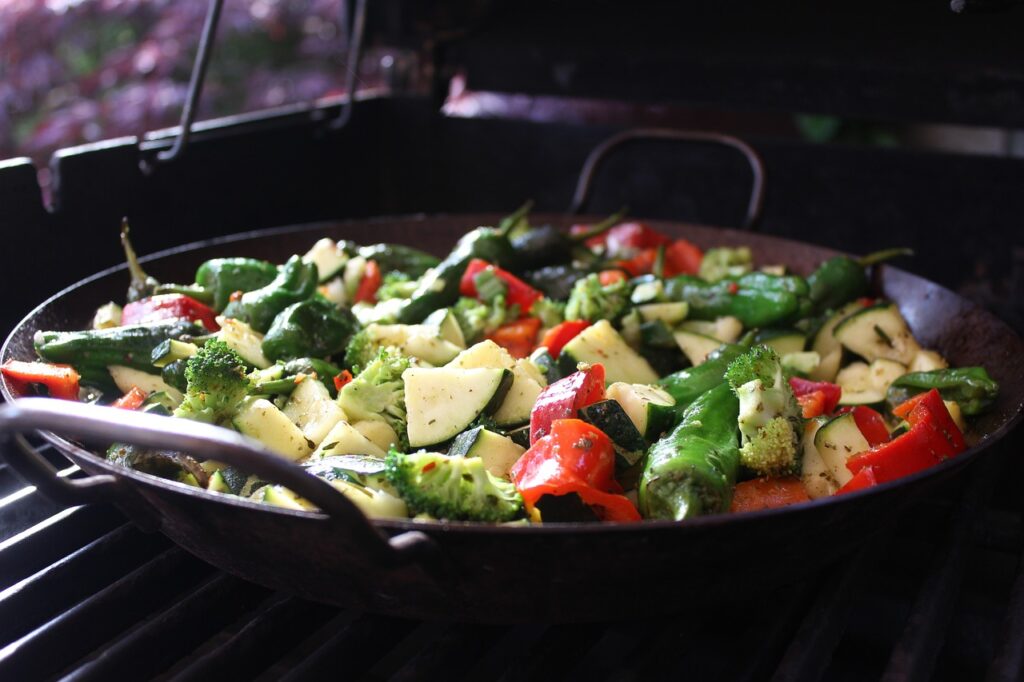
And summer is the perfect time to lean into this. Peak-season produce is at its most flavorful and affordable — we’ve rounded up more ways to use them in our summer produce recipes for quick 30-minute dinners. A single skillet can hold a rainbow of vegetables — no need to steam them in a separate pot or roast them on a separate sheet pan. Toss them in with your protein and a quick sauce, and dinner is done.
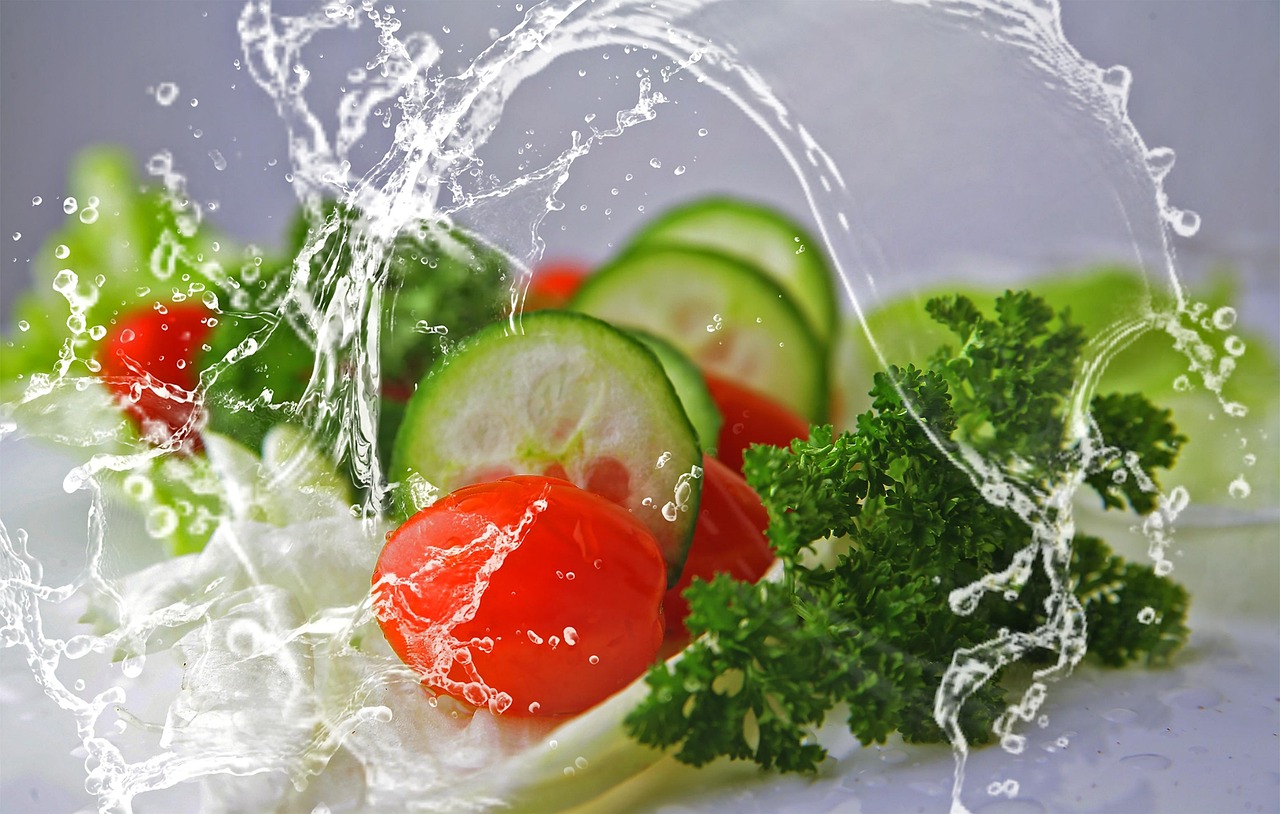
Summer skillet dinners practically beg you to add more vegetables. A handful of spinach wilts into a creamy sauce in under a minute. Cherry tomatoes burst and create their own pan sauce. Zucchini softens into tender, silky bites alongside chicken or chickpeas. You get the flavor without the extra effort.
Why Skillet Cooking Retains More Nutrients
Here is something most recipe roundups skip: the cooking method itself matters. How you cook your vegetables changes how many nutrients you actually get from them.
A comprehensive review in Critical Reviews in Food Science and Nutrition looked at how different cooking methods affect beneficial plant compounds called glucosinolates — the same compounds linked to cancer protection in cruciferous vegetables. The finding? Boiling and blanching caused the largest losses of these compounds, largely because they leach into the cooking water. Stir-frying, on the other hand — the exact method used in most skillet dinners — retained or only slightly reduced these compounds. The quick, high-heat cooking keeps nutrients in the food, not in the water you pour down the drain.
A more recent review in Food Chemistry confirmed this pattern. Short cooking times — the kind you get with a hot skillet — better preserve beneficial compounds compared to prolonged water-based methods. That means your quick summer skillet dinner is not just convenient. It may actually deliver more of the nutrients you are cooking for in the first place.
Your 20-Minute Skillet Dinner Formula
Here is the beauty of summer skillet dinners: you do not need a recipe every time. Once you know the formula, you can create a satisfying, healthy dinner with whatever you have in your fridge.
Think of it as three elements in one pan:
The Skillet Dinner Formula
1. Protein (your base)
Chicken cutlets, ground turkey, chickpeas, white beans, shrimp, firm tofu, eggs. Choose one that fits your style — and our easy high-protein dinners for summer offer even more ideas.
2. Seasonal vegetable (the bulk of your plate)
Zucchini, summer squash, cherry tomatoes, bell peppers, corn, eggplant, green beans, spinach, kale. Use what is freshest.
3. Quick sauce (binds it all)
Lemon-garlic with a splash of broth. Tomato-basil with a drizzle of olive oil. Creamy herb with yogurt or half-and-half. A simple pan sauce takes two minutes.
Optional: Quick-cooking grain
Add cooked quinoa or couscous in the last few minutes, or serve over a bed of greens.
Cook the protein first, set it aside. Sauté the vegetables in the same pan. Add the sauce ingredients and let them simmer for a minute. Toss the protein back in. Done. Total time: about 20 minutes. Total dishes: one skillet and a spatula.
This formula works because it is flexible. Have zucchini and chicken? That is a creamy garlic chicken skillet. Have chickpeas and tomatoes? That is a 15-minute vegetarian dinner. The possibilities are endless, and you never need to buy a special ingredient.
7 Summer Skillet Dinners to Try
Ready to put the formula into practice? These summer skillet dinners are among the highest-rated options from EatingWell readers, and they showcase the range of what a single pan can do. Each one uses peak-season produce and comes together in under 30 minutes.
1. Creamy Garlic Chicken & Zucchini Skillet
Chicken cutlets and tender zucchini in a silky garlic pan sauce made with shallot, broth, and half-and-half. Ready in 25 minutes. Serve with crusty bread or a side of whole grains.
2. Tomato-Lentil Ratatouille Skillet
A vegetable-forward take on the French classic. Precooked lentils add plant-based protein and fiber. Summer squash, tomatoes, and eggplant do the heavy lifting. Finished with fresh herbs.
3. Black Bean Fajita Skillet
Three ingredients — presliced fajita vegetables, canned black beans, and Southwest seasoning — come together for a quick Tex-Mex dinner. Add avocado, cheese, or a squeeze of lime.
4. Creamy Lemon Chicken Skillet with Spinach & Peas
Bright lemon, sweet peas, and tender spinach in a creamy brown rice base. A touch of goat cheese melts in for richness. One skillet, loads of flavor.
5. Baked Feta, Tomato & White Bean Skillet
Cherry tomatoes burst as they roast next to creamy white beans and chunks of feta. Scoop it up with toasted whole-grain bread. Vegetarian, satisfying, and dead simple.
6. Ground Beef & Potatoes Skillet
Ground beef, potatoes, kale, tomatoes, and bell peppers — all in one pan. Hearty enough to satisfy without heating up your whole kitchen.
7. Eggs in Tomato Sauce with Chickpeas & Spinach
Eggs simmer in a rich tomato-cream sauce with chickpeas and spinach. Ready in 15 minutes. Serve with crusty bread for dipping. It is basically shakshuka with a summer twist.
Each of these recipes follows the same formula: protein, seasonal vegetable, quick sauce. Mix and match based on what is in your fridge. That is the whole point of summer skillet dinners — they adapt to what you have, not the other way around.
Practical Tips for Getting It Right
Frequently Asked Questions
Q: What type of skillet is best for healthy cooking?
Cast iron is a fantastic choice — it adds a small amount of dietary iron to your food and holds heat evenly. Stainless steel is great for high-heat searing and deglazing for pan sauces. Avoid nonstick pans with coatings that may degrade at high temperatures.
Q: How do I keep the kitchen from getting too hot?
Use a lid to trap heat and speed cooking. Cook in the cooler morning and reheat at dinner time. A smaller skillet heats up less space. And avoid turning on the oven — that is the whole point of going with a stovetop skillet dinner.
Q: Can I meal prep skillet dinners?
Absolutely. Chop your vegetables ahead of time. Precook grains. Portion out your protein. Then assembly takes just 10-15 minutes when you are ready to eat.
The Bottom Line
Here is what I want you to remember: summer skillet dinners are not just a convenient way to cook. They are a genuine strategy for eating better all season long. The science is clear — cooking at home more often, using fresh ingredients, and choosing quick high-heat methods all add up to a healthier diet. And when the kitchen is hot and you are tired, a single skillet may be the only tool you need.
Start with the formula. Pick a protein, grab whatever summer vegetable looks best at the market, and whip up a simple sauce. That is the whole plan. Seven minutes of prep, twelve minutes of cooking, and one pan to wash. Your healthiest summer dinners are already in your kitchen.