

Morning Gut Health: 3 Habits to Fix for Better Digestion
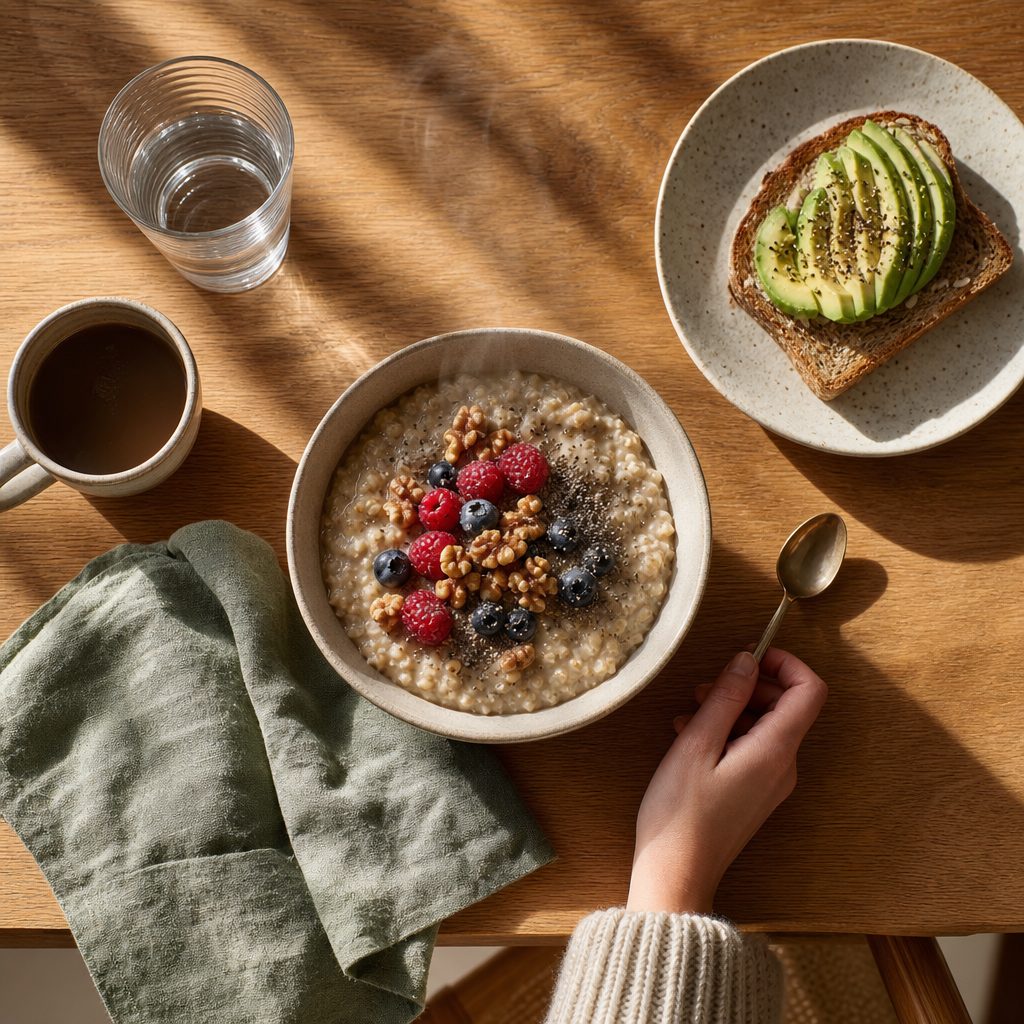
You wake up, hit snooze, rush through your morning, and grab a coffee on the way out the door. Sound familiar? It might not seem like a big deal, but those first few hours after waking set the stage for your entire digestive system. Your gut runs on a circadian clock — and what you do (or don’t do) in the morning can either support or sabotage your morning gut health for the rest of the day.
Here’s the thing: more than half of your gut bacteria follow a 24-hour rhythm — research published in the International Journal of Molecular Sciences confirms that nearly 60% of gut bacteria show daily rhythmicity. When you align your morning habits with that natural rhythm, your digestion works better, you feel less bloated, and your gut microbiome thrives. But a few common morning habits can quietly throw that balance off.
Let’s explore the three habits that may be undermining your morning gut health — and what to do instead, starting tomorrow morning.
Quick Answer: What’s the single most important thing for morning gut health?
Eat a fiber-rich breakfast at a consistent time. Research shows that morning fiber intake has a stronger effect on your gut microbiome and blood sugar than the same amount of fiber eaten later in the day. Pair it with plenty of water, and don’t ignore the urge to use the bathroom. That’s your gut’s way of saying it’s ready to work.
Why Your Morning Gut Health Matters More Than You Think
Your gut microbiome isn’t static. It changes throughout the day based on when you eat, sleep, and move. A 2024 review in the International Journal of Molecular Sciences found that breakfast has a powerful resetting effect on your circadian clock genes — and your gut microbiome follows that same daily rhythm. When you eat breakfast at a consistent time, you help synchronize your gut bacteria’s daily cycle.
But here’s what’s really interesting: research on how breakfast resets your gut microbiome’s daily clock shows that skipping breakfast causes misalignment between your meal timing and your internal clock genes. This disruption can lead to gut dysbiosis — an imbalance in your gut bacteria — which then makes it harder for your body to maintain healthy digestion and metabolism.
So when we talk about morning gut health, we’re really talking about syncing your habits with your body’s natural rhythm. Let’s look at the three habits that most commonly get in the way.
Habit #1: Ignoring the Urge to Go
Picture this: you’re rushing to get ready, and you feel that familiar signal from your body. But you’re already running late, so you tell yourself you’ll go later. Sound familiar? You’re not alone — but this habit can quietly undermine your morning gut health.
When you ignore the urge to have a bowel movement, the stool sits in your colon longer. As board-certified gastroenterologist Supriya Rao, M.D., explains, the stool absorbs more water, making it harder to pass. This leads to constipation, which slows intestinal motility and alters your gut microbiome.
Gastroenterologists explain that constipation can alter the gut environment where bacteria live, potentially contributing to reduced levels of beneficial bacteria and lower microbial diversity. Beyond making stools harder to pass, constipation can also contribute to abdominal pain, reduced appetite, and inflammation.
What to Do Instead
When your body signals, listen. Give yourself time in the morning — even 5 to 10 minutes — to sit on the toilet without rushing. If you struggle with constipation, try these tips:
- Drink a full glass of water first thing — hydration helps soften stool
- Use a small stool or squatty potty to elevate your knees above hip level — this straightens the colon and makes elimination easier
- Don’t strain. If nothing happens in 5 minutes, try again later
Habit #2: Eating Ultra-Processed Foods for Breakfast
That sugary cereal, packaged pastry, or processed breakfast sandwich might be convenient — but it’s doing your gut no favors. Ultra-processed foods are typically low in fiber and high in added sugar, unhealthy fats, and additives that can disrupt your gut microbiome.
Board-certified gastroenterologist Dr. Sandhya Shukla notes that ultra-processed breakfast items — think packaged pastries, sugary cereals, and processed meats — are associated with a higher risk of digestive conditions including IBD, colorectal cancer, and IBS. An umbrella review on diet and inflammatory bowel disease confirmed that diets high in ultra-processed foods are associated with an increased risk of IBD, and that dietary fiber supports gut health partly through interactions with the gut microbiota.
The problem is compounded because ultra-processed breakfasts lack the fiber your gut bacteria need to thrive. Your beneficial gut microbes feed on fiber — without it, they can’t produce the compounds that reduce inflammation and support your immune system.
What to Eat Instead
Swap ultra-processed breakfasts for fiber-rich options. A study showing morning fiber is more effective for gut health than evening fiber found that fiber consumed at breakfast had stronger effects on gut microbiota and blood sugar control than the same amount eaten at dinner. Great options include:
- Oatmeal with berries, walnuts, and chia seeds
- Greek yogurt (with live cultures) topped with fruit and nuts
- Whole-grain toast with avocado and a sprinkle of hemp seeds
- A smoothie with spinach, banana, flaxseed, and kefir
- Egg scramble with vegetables and a side of fermented veggies like sauerkraut
For a complete step-by-step guide, check out our guide to building your perfect gut health breakfast with more recipe ideas and a simple formula you can follow every morning.
Habit #3: Skipping Breakfast Entirely
Maybe you’re not a breakfast person. Or you’re trying intermittent fasting. Or you just don’t have time. Whatever the reason, regularly skipping breakfast can take a toll on your morning gut health.
A systematic review of 66 studies on breakfast skipping and gut health found that skipping breakfast was associated with gut microbiome alterations and increased inflammation. The review, published in Nutrition Research in 2025, also linked breakfast skipping to metabolic disruption and higher risk of obesity and diabetes.
Now, you might be thinking: “But what about intermittent fasting?” That’s a fair question. The nuance here is important. Intentional time-restricted eating — where you eat all your meals within a specific window — can be different from habitually skipping breakfast while eating a poor-quality diet the rest of the day. The key factors are consistency and overall diet quality. For most people, eating a fiber-rich breakfast at a consistent time is the safer, more evidence-supported choice for gut health.
What to Do Instead
Even a small breakfast is better than none. If you’re short on time, try these quick options:
- A banana and a handful of almonds
- An apple with peanut butter
- A single-serve Greek yogurt cup
- Overnight oats prepped the night before
- A pre-made smoothie pack you can blend in 2 minutes
The goal is consistency. Eating something — even something small — at roughly the same time each morning helps synchronize your gut microbiome’s daily rhythm.
Beyond the Big Three: Other Morning Habits That Support Gut Health
While fixing those three habits will make a big difference, a few additional practices can take your morning gut health even further.
Hydrate first. Your body loses water overnight through breathing and sweating. Drinking a glass of water first thing in the morning helps rehydrate your digestive system and supports regular bowel movements. Harvard Health’s guide to improving gut health recommends 4 to 6 cups of water daily for healthy digestion and preventing constipation. For more options, try these healthy natural drinks for gut health that add variety to your morning routine.
Move your body. Gentle morning movement — a walk, stretching, or yoga — stimulates intestinal motility and helps wake up your digestive system. Even 10 minutes of movement can make a difference.
Manage morning stress. The gut-brain axis is real. When you start your day stressed, your body releases cortisol, which can disrupt digestion and alter your gut microbiome. Even a few minutes of deep breathing or mindfulness in the morning can help. As Dr. Shukla notes, brief mindfulness exercises may help reduce the cortisol-driven disruption of the brain-gut axis that accumulates with chronic stress.
Your Morning Gut Health Checklist
Here’s a simple checklist you can use starting tomorrow. No need to do everything at once — pick one or two habits to focus on first.
Your Gut-Healthy Morning Routine
- ☐ Wake up at a consistent time (even on weekends)
- ☐ Drink a full glass of water
- ☐ Move your body for 5-10 minutes (walk, stretch, yoga)
- ☐ Give yourself time to use the bathroom — don’t rush or ignore the urge
- ☐ Eat a fiber-rich breakfast with protein and healthy fat
- ☐ Take 2 minutes for deep breathing or mindfulness
- ☐ Limit or avoid ultra-processed breakfast foods
Frequently Asked Questions About Morning Gut Health
Is coffee good or bad for my gut in the morning?
Moderate coffee (1-2 cups) is generally beneficial. It stimulates the gastrocolic reflex — the signal that tells your colon to move — which can help with morning bowel movements. Coffee also contains polyphenols, which some research suggests may support beneficial gut bacteria (Kolb et al., Nutrients, 2020). However, drinking too much coffee on an empty stomach can irritate some people’s digestion. Try drinking a glass of water first, then enjoy your coffee with or after breakfast. Want to boost the benefits? Here are some healthy coffee additives to upgrade your morning cup.
How long should I wait after waking to eat breakfast?
There’s no strict rule, but eating within 1-2 hours of waking is a good target. This aligns with your body’s natural circadian rhythm and gives your digestive system the fuel it needs to start the day. If you exercise in the morning, you may want to eat a small snack before and a larger breakfast after.
Can I rebuild my morning bowel movement habit if it’s irregular?
Yes. Your body responds to routine. Eating breakfast at a consistent time each morning naturally stimulates the gastrocolic reflex. Drinking warm water or coffee can also help. Give yourself 10-15 minutes on the toilet after breakfast each day, even if nothing happens at first. Over time, your body will learn the new rhythm.
The Bottom Line
Your morning gut health isn’t about perfection — it’s about small, consistent choices that align with your body’s natural rhythms. Listen to your body when it signals, choose fiber-rich foods over ultra-processed options, and eat something at a consistent time each morning. Add in hydration, movement, and a moment of calm, and you’ve got a morning routine that supports your gut all day long.
Start with one habit tomorrow. Your gut will thank you.