

Childhood Sugary Drinks Linked to Higher Blood Pressure Decades Later
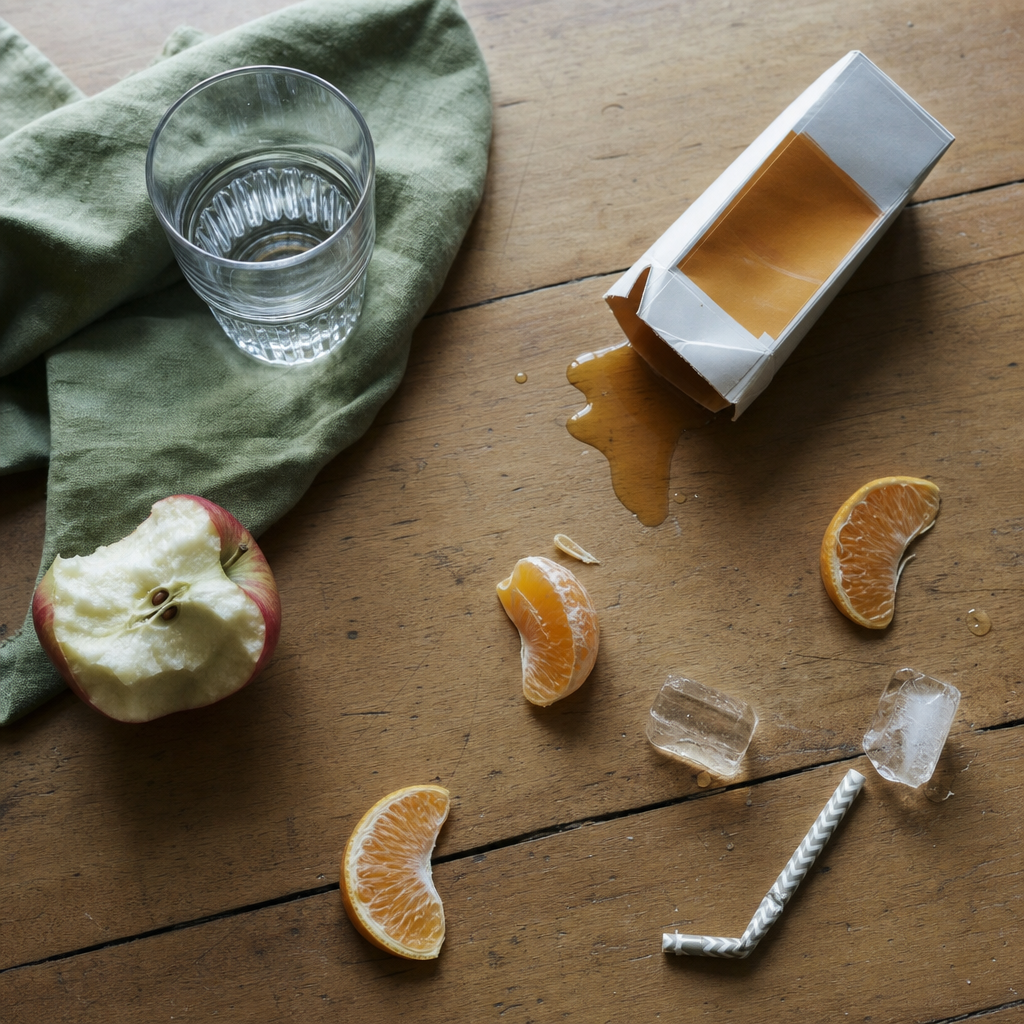
What if the juice box you packed in your child’s lunch today could affect their blood pressure 25 years from now? It’s a sobering thought, but a landmark new study suggests that what we drink as kids may have a much longer reach than we ever imagined. A 25-year study published in the journal Circulation found that frequent consumption of soda, sports drinks, and even 100% fruit juice starting in childhood is linked to a significantly higher risk of high blood pressure in adulthood. The most surprising finding? Fruit juice — something many of us consider a ‘healthy’ choice — carries risks similar to soda. Here’s what the research says about childhood sugary drinks and what you can do about it.
Key Takeaways
- Two or more sugary drinks a day in childhood = 52% higher hypertension risk in adulthood.
- Fruit juice isn’t the healthy choice many think. 1.5+ servings daily was linked to a 35% higher risk.
- It’s not about the sugar type — it’s about the source. Whole fruit didn’t raise risk; juice and soda did.
- One simple swap makes a real difference. Replacing one daily sugary drink with whole fruit lowered risk by 22%.
- Water and milk are the safest bets for kids and adults alike.
What the 25-Year Study Actually Found
The study, published in the journal Circulation, followed 25,749 participants from the Growing Up Today Study (GUTS) for up to 25 years. Researchers tracked what these kids and teens drank — from soda to sports drinks to fruit juice — and then checked their blood pressure as young adults.
Here’s what they found. Kids who drank two or more sugar-sweetened beverages (soda, sports drinks, sweetened teas) per day had a 52% higher risk of developing high blood pressure as adults. But here’s the part that surprised even the researchers: kids who drank 1.5 or more servings of 100% fruit juice daily had a 35% higher risk. That’s not much different from soda.
“The key finding is that the source of fructose matters more than the total amount,” says Vasanti Malik, the study’s senior author. “Whole fruit provides fiber and other nutrients that slow down sugar absorption. Juice removes that fiber.”
Risk Breakdown by Drink Type
Per daily serving, the study found these risk increases:
Soda: 23% higher risk per serving
Sports drinks: 36% higher risk per serving
Orange juice: 20% higher risk per serving
Fruit juice (all types, 1.5+ servings/day): 35% higher risk
Note: Some orange-flavored drinks may have been misclassified as orange juice, so the OJ number may be slightly inflated. But the overall pattern is clear.
Why Fruit Juice Isn’t the Healthy Choice Many Parents Think
Let’s be honest. Most of us grew up hearing that orange juice is a healthy breakfast staple. It’s packed with vitamin C, right? And it’s ‘100% juice’ — no added sugar. So how can it be bad?
Here’s the thing. When you juice a fruit, you remove the fiber. Fiber is what slows down how quickly your body absorbs sugar. Without it, the sugar in fruit juice hits your bloodstream almost as fast as the sugar in soda. A systematic review of controlled feeding trials confirmed this: the food source of fructose matters more than the total amount. Whole fruit is fine. Juice is not the same.
“The food matrix changes everything,” explains Dr. Rohan Khera, a cardiologist at Yale School of Medicine who commented on the study. “When you eat an apple, you get fiber, polyphenols, and water that all help your body process the sugar slowly. When you drink apple juice, you get the sugar without the protective package.”
This is the most important takeaway for parents. A glass of 100% orange juice is not equivalent to eating an orange. It’s closer to drinking soda than most people realize.
The ‘Swap One Drink’ Strategy That Actually Works
Here’s the most actionable finding from the study. Researchers modeled what would happen if someone replaced just one daily sugary drink with something else. The results were striking:
- Swap soda for whole fruit: 22% lower hypertension risk
- Swap fruit juice for whole fruit: 19% lower risk
- Swap soda for milk: 13% lower risk
- Swap soda for water: 9% lower risk
You don’t need to overhaul everything at once. One swap per day is enough to make a meaningful difference. That’s a message that feels doable, not overwhelming.
5 Easy Drink Swaps for Families
Instead of: Juice box (6-8 oz)
Try: Whole fruit + water. An apple or orange with a glass of water gives you the same vitamins with fiber intact.
Instead of: Sports drink after practice
Try: Water with a pinch of salt and a squeeze of lemon. Most kids don’t need sports drinks for hydration.
Instead of: Soda at dinner
Try: Sparkling water with a splash of 100% juice. You get the fizz with way less sugar.
Instead of: Flavored milk (chocolate, strawberry)
Try: Plain milk with a dash of vanilla or cinnamon. Much less added sugar.
Instead of: Store-bought smoothie
Try: Homemade smoothie with whole fruit, yogurt, and no added juice. Keep the fiber in.
What This Means for Adults Who Grew Up on Sugary Drinks
If you grew up drinking soda and juice, you might be wondering: is the damage already done? The honest answer is that we don’t know for sure. This study shows an association, not cause and effect. But here’s the good news: it’s never too late to make changes that support your heart health.
An umbrella review of sweetened beverages and heart health found that reducing SSB intake at any age is linked to lower cardiovascular risk. Your past doesn’t lock in your future. The same swaps that help kids — water, milk, whole fruit — work for adults too.
If you’re concerned about your blood pressure, start with one swap today. Replace your afternoon soda with sparkling water. Have a piece of fruit instead of a glass of juice at breakfast. Small changes add up over time.
How Much Juice Is Actually OK for Kids?
This is the question every parent wants answered. The American Academy of Pediatrics recommends:
- Ages 1-3: No more than 4 oz (half a cup) per day
- Ages 4-6: No more than 4-6 oz per day
- Ages 7-18: No more than 8 oz (one cup) per day
The new study suggests even these limits may be worth revisiting for heart health. The 35% higher risk was seen at 1.5 servings per day (12 oz) — which is above the AAP limit for most kids. But the trend was clear: more juice meant more risk.
The safest approach? Treat juice as an occasional treat, not a daily staple. Water and milk should be the go-to drinks. Whole fruit should be the primary source of fruit in your child’s diet.
Frequently Asked Questions
Q: What about smoothies? Are they better than juice?
A: Yes, if you make them with whole fruit (not juice). Blending keeps the fiber intact, unlike juicing. Just watch portion sizes and avoid adding extra sweeteners.
Q: Do artificially sweetened drinks have the same risk?
A: This study didn’t look at diet drinks. Previous research on artificial sweeteners and blood pressure is mixed. Water is still the best choice.
Q: My kid plays sports. Do they need sports drinks?
A: For most kids, water is all they need. Sports drinks are only helpful during intense, prolonged activity (over an hour). For a typical practice or game, water is best.
Q: Is fresh-squeezed juice better than store-bought?
A: It still lacks fiber. Fresh juice has more vitamins, but the sugar hit is similar. Eat the fruit instead.
Q: Can adults reverse damage from childhood drinking habits?
A: You can’t change the past, but you can change today. Reducing sugary drinks now lowers your risk going forward. Previous research on beverages and heart disease shows that cutting back at any age helps.
The Bottom Line
This 25-year study is a powerful reminder that the habits we form in childhood can echo for decades. But it’s also a hopeful one. The ‘swap one drink’ finding shows that small changes — replacing one daily sugary drink with whole fruit, milk, or water — can meaningfully lower risk.
You don’t need to be perfect. You don’t need to eliminate every treat. Start with one swap today. Your heart — and your family’s hearts — will thank you for it.