
Egg Recall 2026: Check Your Eggs for Salmonella
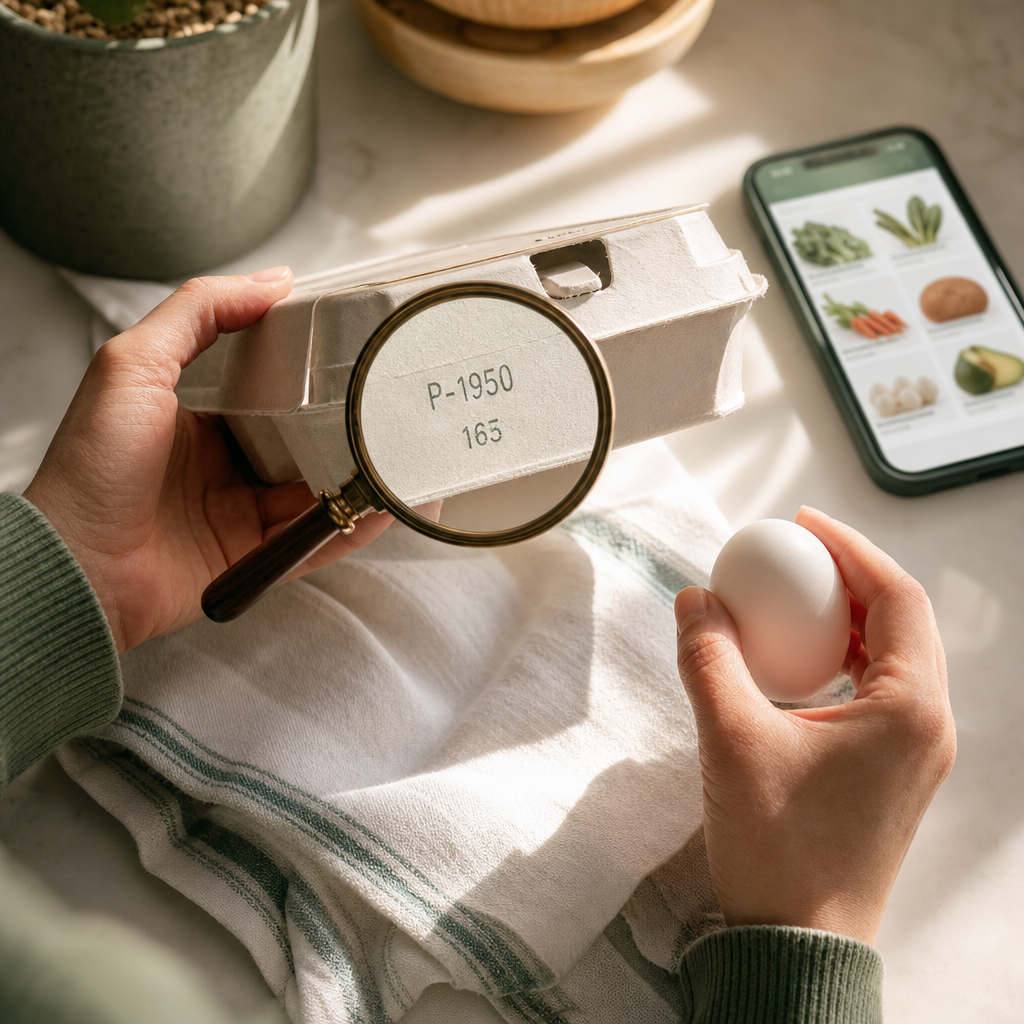
Check your fridge right now. This egg recall affects over 19 million eggs due to potential Salmonella contamination. The FDA recall notice covers eggs sold at Kroger, Brookshire’s, and other stores across six states. Here’s exactly what to look for and what to do next.
Quick Answer: Is Your Egg Carton Part of the Recall?
Look for plant code P-1950 on the side of your carton. If you see it, check the Julian date (a 3-digit number, 157–184) and the sell-by date (July 20–August 17, 2026). If all three match, do not eat the eggs. Return them to the store for a refund or throw them away.
What’s Happening With This Egg Recall?
On July 22, 2026, Midwest Poultry Services announced a voluntary recall of 1,589,577 dozen eggs — that’s over 19 million individual eggs. The company found potential Salmonella Enteritidis contamination through routine environmental testing at two Texas farms.
The eggs were produced between June 6 and July 3, 2026. They have sell-by or best-by dates ranging from July 20 through August 17, 2026. No illnesses have been reported yet, but the recall is a precaution to keep consumers safe. It’s the latest in a series of FDA food safety actions — we’ve covered similar recalls involving lead-contaminated cookware — that show why checking for product recalls matters.
Which States Are Affected by the Egg Recall?
The recalled eggs were distributed in these six states:
- Arkansas
- Louisiana
- Mississippi
- New Mexico
- Oklahoma
- Texas
If you live in one of these states, check your eggs now. The eggs were sold at Kroger stores in Texas and Louisiana, and at Brookshire Grocery stores across all six states, plus other smaller retailers.
How to Check if Your Eggs Are Recalled
Here’s what to look for on your egg carton. You need to check three things:
1. Plant Code: P-1950
Look on the side of the carton for a code starting with P-1950 (sometimes printed as 0840962). This is the plant code for the Texas farms involved in the recall. If your carton has a different plant code, your eggs are not part of this recall.
2. Julian Date: 157 to 184
Next to the plant code, you’ll see a 3-digit number. That’s the Julian date — it tells you the day the eggs were packed. Day 157 is June 6, and day 184 is July 3. If your Julian date falls between 157 and 184, the eggs were produced during the recall window.
3. Sell-By Date: July 20 to August 17, 2026
The sell-by or best-by date should fall between July 20 and August 17, 2026. If all three identifiers match, your eggs are part of the recall.
Recalled Brands and Products
The recall covers eggs sold under these brand names. Check your carton for any of these:
- Kroger — Large, Extra Large, Medium, and Jumbo eggs (12, 18, 30, and 60-count)
- Simple Truth — Cage Free Medium and Large Brown eggs (12, 18, and 24-count)
- Brookshire’s — Large, Extra Large, and Jumbo eggs (6, 12, 18, 36, and 60-count)
- Country Morning — Large, Extra Large, Medium, and Jumbo eggs (12, 18, and 30-count)
- Sunups — Medium eggs (30-count)
- Bulk eggs — Grade AA Large, Grade A Large, Grade A Medium, Grade A Extra Large, and Grade A Jumbo (sold in bulk to foodservice)
All recalled products have plant code P-1950. The UPC codes vary by product, so check the full FDA recall notice for the complete list of UPC numbers.
What to Do if You Have Recalled Eggs
If your eggs match the recall criteria, here’s what to do:
- Do not eat them. Throw the eggs away or return them to the store where you bought them for a full refund.
- Clean your refrigerator. Wash the shelf where the eggs were stored with hot, soapy water. Salmonella can survive on surfaces.
- Wash your hands. Use soap and warm water for at least 20 seconds after handling the carton or eggs.
- Monitor for symptoms. If you or a family member already ate some of these eggs, watch for signs of Salmonella infection.
Salmonella Symptoms to Watch For
According to the CDC, symptoms of Salmonella infection usually appear 6 hours to 6 days after eating contaminated food. They typically last 4 to 7 days. Common symptoms include:
- Watery diarrhea (which may be bloody)
- Fever
- Stomach cramps
- Nausea and vomiting
- Headache
When to See a Doctor
Call your healthcare provider if you or a family member experience any of these after eating recalled eggs:
- Diarrhea or vomiting lasting more than 2 days
- Blood in your stool
- Fever higher than 102°F
- Signs of dehydration (little or no urination, very dark urine, dry mouth, dizziness)
Most people recover from Salmonella without antibiotics. The CDC recommends drinking plenty of fluids to prevent dehydration. Antibiotics are typically only needed for severe cases or for people in high-risk groups.
Who Is at Higher Risk?
Some groups are more likely to get seriously ill from Salmonella. If you or someone in your household falls into these categories, be extra cautious:
- Children younger than 5 years old
- Adults 65 years and older
- People with weakened immune systems (from conditions like diabetes, HIV, or cancer treatment)
The Bottom Line
This egg recall is serious but manageable. Check your carton for plant code P-1950, Julian dates 157–184, and sell-by dates July 20–August 17. If your eggs match, return them or throw them away. No illnesses have been reported yet, but it’s always better to be safe.
For questions about this recall, contact Midwest Poultry Services at 574-405-9531 (Monday–Friday, 8 a.m. to 4:30 p.m. EST) or email [email protected].