
Sleep Apnea Memory Changes: What Every Woman Needs to Know
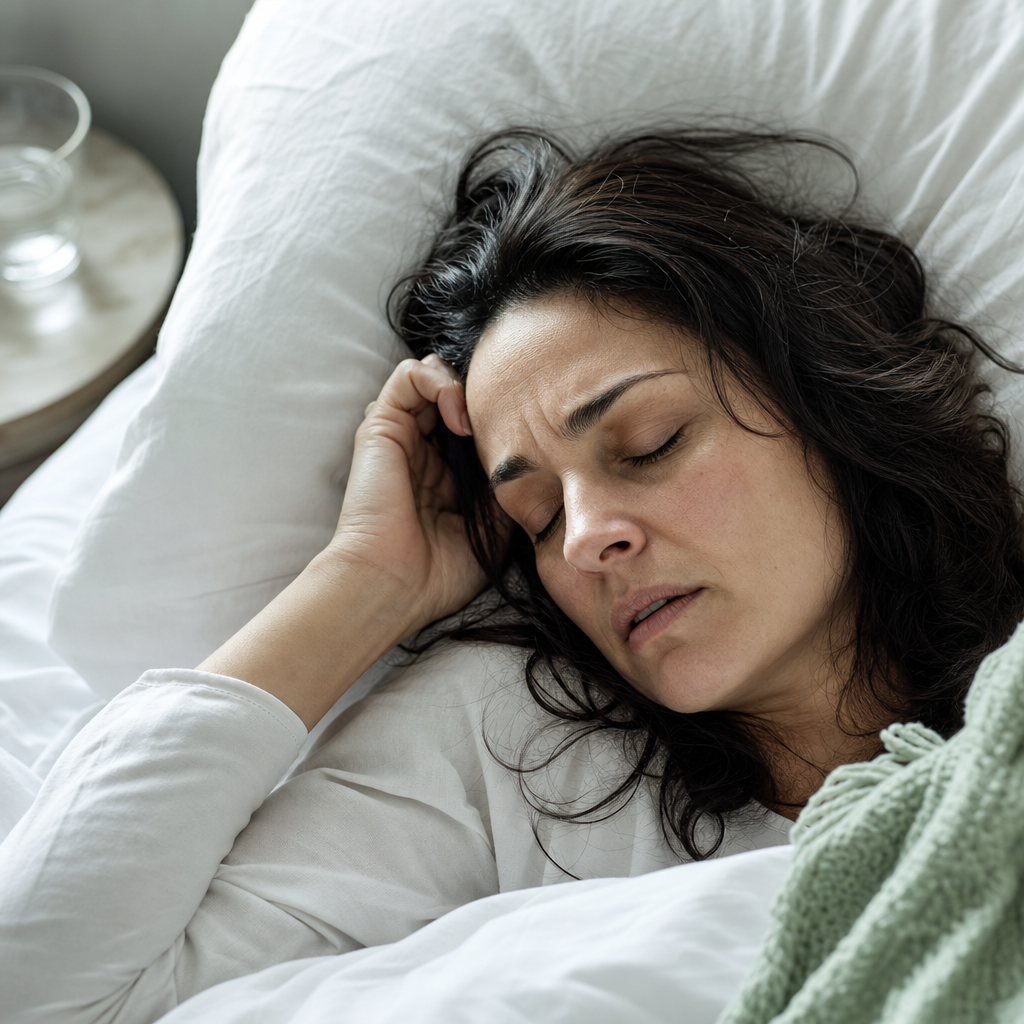
You wake up tired. Your brain feels foggy by mid-afternoon. You forget why you walked into a room, or you struggle to find the right word in a conversation. It’s easy to chalk this up to stress, a busy schedule, or just getting older. But here’s the thing: a very common, often-dismissed sleep disorder could be quietly affecting your memory. We’re talking about sleep apnea. And new research shows the link between sleep apnea memory changes is stronger than many of us realize. Here’s what you need to know, especially if you’re a woman whose symptoms might be flying under the radar.
Key Takeaways
- Sleep apnea is linked to poorer memory and a higher risk of cognitive decline, even in middle age. Understanding the sleep apnea memory connection is key to protecting your brain.
- A large body of research shows that most women with sleep apnea are undiagnosed because their symptoms look different from the classic male presentation.
- Women’s symptoms often include brain fog, fatigue, morning headaches, insomnia, and mood changes — not just loud snoring.
- Treating sleep apnea can improve cognitive function and may even reverse some brain damage linked to sleep apnea memory decline.
- Early diagnosis and treatment are key to protecting your long-term brain health.
The Research: What the Science Says About Sleep Apnea Memory
Let’s start with the most current evidence on sleep apnea memory changes. A major 2026 study in Alzheimer’s & Dementia looked at nearly 2,800 cognitively healthy middle-aged adults. The researchers found that those with sleep apnea had poorer memory than those without it. Even more striking, they had higher scores on a test that estimates dementia risk — and this was true regardless of whether they carried the APOE ε4 gene, a major genetic risk factor for Alzheimer’s. This sleep apnea memory association was significant even after accounting for other health factors.
This isn’t just one study. A comprehensive 2026 review in The American Journal of Medicine confirms that the evidence is strong: sleep apnea is linked to cognitive impairment and a higher risk of dementia. The question isn’t whether the link exists — it’s what we do about it.
How Sleep Apnea Affects the Brain
So how does a sleep disorder mess with your memory? It’s not just about feeling tired. Sleep apnea causes your airway to collapse repeatedly during the night, cutting off oxygen to your brain. This triggers a cascade of damage that helps explain the sleep apnea memory connection.
Here’s what’s actually happening. Every time you stop breathing, your brain is starved of oxygen. This is called intermittent hypoxia. Over time, this damages white matter — the wiring that connects different parts of your brain. It also triggers inflammation and oxidative stress, which are bad news for brain cells. These mechanisms are why sleep apnea memory problems can develop even in otherwise healthy people.
But there’s another piece that’s fascinating. During deep sleep, your brain runs a kind of cleaning cycle called the glymphatic system. It flushes out waste products, including beta-amyloid, a protein linked to Alzheimer’s. Sleep apnea disrupts deep sleep, so this cleaning system doesn’t work properly. The waste builds up — and this is one way sleep apnea memory changes become more than just feeling foggy.
A 2024 study in the European Journal of Neurology found something even more specific. Oxygen drops during REM sleep were linked to memory impairment through reduced volume in the hippocampus’s CA1 region — suggesting REM-specific oxygen loss may be a key mechanism for memory problems.
The Two-Hit Model of Sleep Apnea Memory Decline
Sleep apnea damages your brain in two ways at once. First, it directly harms brain cells through oxygen deprivation and inflammation — the direct sleep apnea memory pathway. Second, it increases your risk for high blood pressure, diabetes, and other conditions that also damage the brain. This makes sleep apnea a particularly powerful risk factor for cognitive decline.
Why Sleep Apnea Looks Different in Women
Here’s where it gets personal. A large body of research shows that most women with sleep apnea are never diagnosed. Multiple studies in peer-reviewed journals — including research published in Chest, the Yale Journal of Biology and Medicine, and Sleep — report that up to three out of four women with the condition remain undiagnosed. That’s millions of women walking around with a condition that’s quietly affecting their memory and brain health through undetected sleep apnea memory changes.
Why? Because women’s symptoms are different. The classic picture of sleep apnea — a middle-aged man who snores loudly and gasps for air at night — doesn’t fit most women. Instead, women tend to report:
- Daytime fatigue and brain fog
- Insomnia or trouble staying asleep
- Morning headaches
- Mood changes, anxiety, or depression
- Waking up feeling unrefreshed, even after a full night in bed
Sound familiar? These are the same symptoms many women attribute to stress, perimenopause, or just being busy. And that’s exactly why sleep apnea gets missed — along with the sleep apnea memory issues it causes.
A 2026 review on diagnosis and treatment of OSA in women notes that standard screening questionnaires were designed based on male symptoms. They ask about snoring and gasping — things women may not experience as prominently. Women are more likely to have what’s called REM-predominant sleep apnea, where the breathing problems happen mainly during REM sleep. Standard sleep tests might even miss this pattern.
The Surprising Scope of the Problem
How common is undiagnosed sleep apnea? Research suggests undiagnosed sleep apnea is very common in people at risk for dementia. These weren’t people who felt fine. They had risk factors. But the sleep apnea was hiding in plain sight — as are the sleep apnea memory changes that come with it.
Now, you might be thinking: “I don’t snore loudly, so I’m fine.” But that’s exactly the assumption that leads to missed diagnoses. Women with sleep apnea often don’t snore loudly. They might have quiet, subtle breathing disruptions that still starve the brain of oxygen.
Does Treatment Help? What the Evidence Says
This is the hopeful part. A 2026 meta-analysis of 17 CPAP clinical trials found that CPAP therapy — the most common treatment — significantly improves processing speed, visual search ability, and reduces anxiety and daytime sleepiness. These improvements are real and measurable, and they directly address sleep apnea memory concerns.
But here’s the nuance. Not every study shows dramatic cognitive improvements. A 2025 randomized controlled trial in the American Journal of Respiratory and Critical Care Medicine found that CPAP improved brain structure — increasing cortical thickness and improving brain connectivity — even when standard cognitive tests didn’t show a change. This suggests that your brain is healing even if you don’t feel dramatically sharper right away. The sleep apnea memory benefits may take time to show up on standard tests.
Mayo Clinic on sleep apnea and brain health reports that in a small study, 12 months of CPAP use led to near-complete reversal of white matter damage. That’s remarkable. It means the brain has a real capacity to heal once the oxygen deprivation stops — and sleep apnea memory changes may be partially reversible.
What This Means for You
The evidence is clear: treating sleep apnea helps your brain. The sooner you start, the better. Even if you don’t feel like a new person after a week, your brain is benefiting. Think of it as an investment in your future cognitive health.
Red-Flag Symptoms Women Often Miss
Let’s get practical. Here are the symptoms that should prompt you to talk to your doctor about sleep apnea, especially if you’re concerned about sleep apnea memory issues:
- Morning headaches — especially a dull ache that fades after a few hours
- Brain fog that gets worse as the day goes on — not just morning grogginess
- Waking up with a dry mouth or sore throat — a sign you might be breathing through your mouth at night
- Frequent nighttime bathroom trips — sleep apnea can trigger your body to produce more urine
- Mood changes — irritability, anxiety, or feeling emotionally flat
- Waking up gasping or choking — even if it only happens occasionally
- Your partner says you snore — even if it’s not loud, any snoring is worth noting
- Feeling exhausted despite getting 7-9 hours of sleep
If you have several of these symptoms along with sleep apnea memory concerns, it’s worth bringing up sleep apnea with your healthcare provider.
How to Get Tested: Your Practical Next Steps
So you think you might have sleep apnea. What now? Here’s a step-by-step guide to getting diagnosed.
Step 1: Talk to your primary care doctor. Be specific. Say: “I’m concerned about my memory and I’ve been reading about sleep apnea. I have [list your symptoms]. Can we explore this?” Don’t let them dismiss it as stress or hormones without at least considering sleep apnea.
Step 2: Ask about a sleep study. There are two main types. An at-home sleep test is simpler and more convenient. You wear a small device overnight. It measures your oxygen levels, heart rate, and breathing patterns. An in-lab sleep study is more comprehensive. You sleep in a sleep center with sensors on your head, face, and body. For women, an in-lab study may be better at detecting REM-predominant sleep apnea that home tests might miss.
Step 3: Don’t accept a normal result if your symptoms persist. Standard sleep tests measure something called AHI — Apnea-Hypopnea Index. But women often have a pattern called RERAs (Respiratory Effort-Related Arousals) that don’t always show up on AHI. If your test comes back normal but you still have symptoms, ask for a more detailed evaluation or a second opinion from a sleep specialist who understands women’s presentation.
Step 4: If diagnosed, explore treatment options. CPAP is the gold standard, but it’s not the only option. Oral appliances can work for mild to moderate cases. Positional therapy helps if your apnea is worse when you sleep on your back. Inspire therapy is a surgically implanted nerve stimulator for moderate to severe cases. And for those with obesity, weight loss — when appropriate — can improve sleep apnea severity.
FAQ: Your Questions Answered
Q: Will treating sleep apnea reverse my sleep apnea memory problems?
A: It depends. Some brain changes appear reversible, especially white matter damage. But if sleep apnea has been untreated for years, some effects may be more persistent. The good news: treatment almost always helps, and the earlier you start, the better your chances of cognitive improvement.
Q: How long until I see cognitive improvements after starting CPAP?
A: Some people notice better focus and less brain fog within weeks. But brain structure changes take longer — studies show measurable improvements after 3 to 12 months of consistent use.
Q: Can I have sleep apnea if I don’t snore?
A: Yes. Many women with sleep apnea don’t snore loudly. They may have quiet breathing disruptions or only snore during REM sleep. Don’t rule out sleep apnea just because you’re not a loud snorer.
Q: Is it brain fog from sleep apnea or from perimenopause?
A: It could be both. Perimenopause increases your risk for sleep apnea because hormonal changes affect airway muscles. If you’re in perimenopause and experiencing brain fog, sleep apnea should be on your radar as a possible contributing factor. A sleep study can help distinguish sleep apnea memory changes from other causes.
The Bottom Line
Here’s the honest truth. Sleep apnea is one of the most underdiagnosed conditions affecting women, and the evidence linking it to memory decline is strong. The sleep apnea memory connection is real, supported by the latest science. But this isn’t a reason to panic — it’s a reason to act.
Your brain is resilient. It can heal. But it needs you to take the first step. If you have symptoms that could be sleep apnea — brain fog, fatigue, morning headaches, mood changes — don’t dismiss them. Don’t let your doctor dismiss them either. Push for a sleep study. Your memory is worth it.
Think of it this way: treating sleep apnea isn’t just about sleeping better tonight. It’s about protecting your brain for the decades ahead. And that’s a healthy choice you can make starting today.
Related Articles You Might Enjoy
- Sleep Architecture & Women’s Weight Loss: Why Your Sleep Stages Matter More Than Hours — Learn how your sleep quality and stages affect your overall health
- Deep Sleep Heart Health: 5 Ways to Lower Your Risk — Discover how deep sleep protects your heart and brain