

PCOS Insulin Resistance Test: What to Ask For
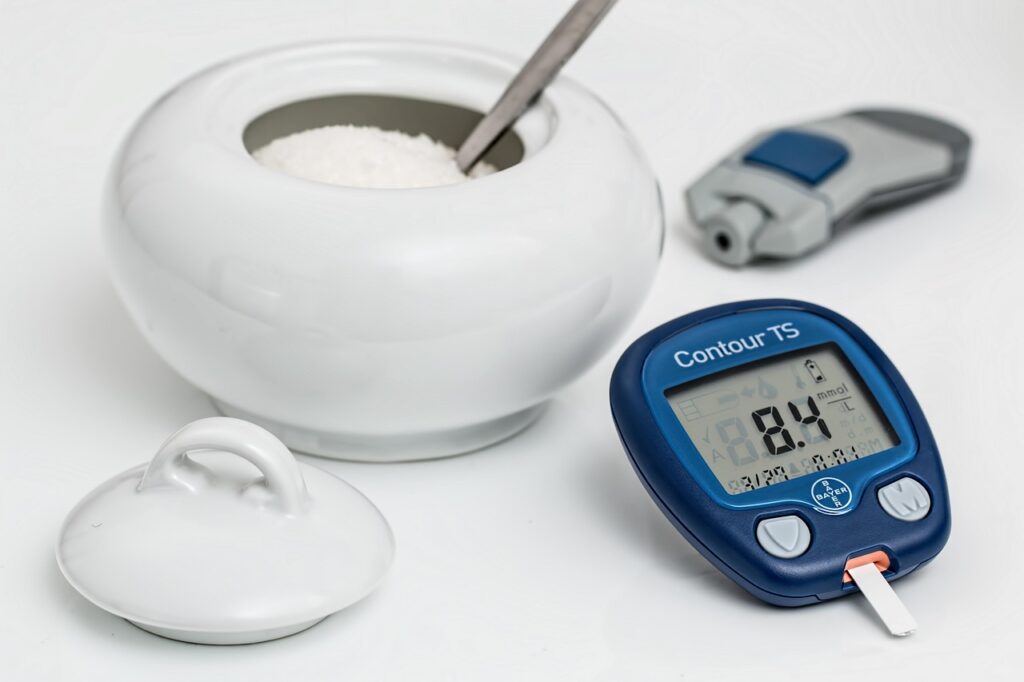
You have PCOS. Your fasting glucose is normal. Your A1C looks fine. You even passed that 1-hour glucose test during pregnancy with flying colors. So why does something still feel off? If this sounds familiar, you are not alone. Many women with PCOS are told their blood sugar is “perfectly normal” and sent on their way. But here is the thing: standard glucose tests routinely miss early insulin resistance in PCOS. And that matters, because PCOS insulin resistance is a key driver of the condition — and catching it early gives you the best chance to protect your long-term health.
Key Takeaways
- Standard tests miss the mark: A normal A1C or fasting glucose does NOT rule out insulin resistance in PCOS. The 75-gram OGTT is the gold standard.
- Ask for the right test: Request a 2-hour oral glucose tolerance test (OGTT) with glucose measured at both 0 and 2 hours.
- BMI is not the whole story: You can have PCOS insulin resistance at any body size — including a normal BMI.
- Re-test regularly: The international guideline recommends checking glycemic status every 1 to 3 years.
- Advocate for yourself: If your doctor says your blood sugar is fine but you still have symptoms, you have the right to ask for more thorough testing.
Quick Answer: Do I Need a Test for Insulin Resistance?
Yes. If you have PCOS, the 2023 International Evidence-Based Guideline recommends that all adults with PCOS have their glycemic status assessed at diagnosis and then every 1 to 3 years. The preferred test is a 75-gram oral glucose tolerance test (OGTT). A normal fasting glucose or A1C alone is not enough to rule out PCOS insulin resistance.
Why PCOS Insulin Resistance Is So Common
Here is what we know: between 50 and 90 percent of women with PCOS have some degree of insulin resistance. That is a huge range, and it varies depending on how you measure it and which population you study. But the bottom line is clear — insulin resistance is not a side issue in PCOS. It is a central driver.
Here is how it works. When your cells stop responding to insulin the way they should, your pancreas pumps out more insulin to compensate. That extra insulin tells your ovaries to produce more testosterone — a common PCOS challenge we have covered in depth — and that extra testosterone worsens your PCOS symptoms — irregular periods, acne, hair growth, and more. It is a vicious cycle, and it starts with insulin resistance.
The Mayo Clinic explains that in PCOS, your body may not respond to insulin the way it typically would. When that happens, blood sugar levels go up, and your body makes even more insulin. Over time, this raises your risk for type 2 diabetes, metabolic syndrome, and heart disease.
Why Standard Glucose Tests Are Not Enough
This is the part that surprises most women. You go to your doctor. They check your fasting glucose. They check your A1C. Everything looks normal. So they tell you that you are fine. But here is the problem: those tests were not designed to catch early PCOS insulin resistance.
A 2024 systematic review and meta-analysis looked at this exact question. The researchers combined data from 9 studies with over 2,600 women with PCOS. They found that HbA1c — the test that estimates your average blood sugar over 3 months — had only 50 percent sensitivity for detecting diabetes in women with PCOS. That means it missed half of the cases. Fasting glucose was not much better, with only 58 percent sensitivity.
Think about that. If you rely on A1C or fasting glucose alone, you could have significant PCOS insulin resistance — or even diabetes — and be told everything is fine. This is not a rare edge case. It is a well-documented limitation of these tests in PCOS.
The Numbers That Matter
HbA1c sensitivity in PCOS: 50% — misses half of diabetes cases
Fasting glucose sensitivity in PCOS: 58% — misses over 40% of cases
OGTT: The gold standard — catches what these tests miss
What Tests Should You Actually Ask For?
So what should you do? The 2023 International Evidence-Based Guideline is clear: the 75-gram oral glucose tolerance test (OGTT) is the most accurate test for assessing glycemic status in PCOS, regardless of your BMI. This is a strong recommendation based on the best available evidence.
Here is what that test involves. You fast overnight. They draw blood to check your fasting glucose. Then you drink a sugary drink with 75 grams of glucose. Two hours later, they draw blood again to see how your body handled that sugar load. The result tells you whether your body is processing glucose normally, or whether you have impaired glucose tolerance — an early sign of PCOS insulin resistance.
The guideline also says that if an OGTT cannot be done, fasting glucose or HbA1c can be used as alternatives — but with significantly reduced accuracy. So if you can get the OGTT, that is the test to ask for.
What About Fasting Insulin and HOMA-IR?
Now, you might be thinking: “What about fasting insulin? What about HOMA-IR? I have heard those are better tests.” This is where things get a bit nuanced.
The 2023 International Guideline states that clinically available insulin assays have limited clinical relevance and are not recommended in routine care. That is a strong statement. But here is the context: the guideline is focused on what works in standard clinical practice, where insulin assays are not well-standardized and there is no clear consensus on what the numbers mean for treatment decisions.
On the flip side, many functional medicine and integrative practitioners find value in tracking fasting insulin and HOMA-IR over time. They use these numbers as early warning signals — before glucose starts to rise. This is an area of legitimate debate among experts. What everyone agrees on is that PCOS insulin resistance is real and important. The disagreement is about the best way to measure it in a doctor’s office.
Our take? If you can get an OGTT, start there. It is the guideline-recommended test with the strongest evidence. If your doctor is willing to add fasting insulin, that can provide additional context — but do not let the perfect be the enemy of the good. An OGTT will give you the most actionable information.
Can You Have PCOS Insulin Resistance at a Normal Weight?
Absolutely. This is one of the most important things to understand. PCOS insulin resistance is not limited to women with higher BMIs. The 2023 Guideline recommends glycemic assessment at diagnosis for all adults with PCOS — regardless of body size. And research backs this up. Studies using the gold-standard hyperinsulinemic-euglycemic clamp method have found that lean women with PCOS can have significant insulin resistance.
If you have PCOS and a normal BMI, do not let anyone tell you that you do not need testing. You do. Your body size does not rule metabolic risk in or out.
How to Talk to Your Doctor
Here is the hard part. You walk into your doctor’s office. They pull up your labs. Your fasting glucose is 88 mg/dL. Your A1C is 5.3%. They say everything looks great. What do you say?
Try this: “I know my A1C and fasting glucose are normal, but I have PCOS, and I have read that those tests can miss insulin resistance in women with PCOS. Could I have a 2-hour oral glucose tolerance test instead? The international guideline recommends it as the most accurate test for PCOS.”
If your doctor pushes back, you can add: “I understand the guideline says fasting glucose or A1C can be used if OGTT is not available, but it also says those have significantly reduced accuracy. I would feel more comfortable with the OGTT so we have the most complete picture.”
Most doctors will order the test if you ask directly and explain why. If they still say no, it may be worth getting a second opinion or finding a provider who is more familiar with PCOS-specific testing.
Conversation Starters for Your Next Visit
“I have PCOS and I want to check for insulin resistance. Can I have a 75-gram OGTT?”
“I know my A1C is normal, but I have read that it misses insulin resistance in PCOS. Can we do the more accurate test?”
“The 2023 International Guideline recommends OGTT for all adults with PCOS. Can we follow that recommendation?”
“I am planning to try for a pregnancy soon. Should I have an OGTT before I conceive?”
How Often Should You Be Tested?
The 2023 Guideline recommends reassessing glycemic status every 1 to 3 years, depending on your individual risk factors. If your first OGTT comes back normal, that is great news — but it does not mean you are done. PCOS insulin resistance can develop or worsen over time, especially during periods of weight gain, stress, or hormonal changes.
If you are on a GLP-1 medication — like the Reddit poster who asked this question — your test results may look better while you are on the medication. That is a good thing. But it is important to have a plan for what monitoring looks like if and when you stop. If you are looking for non-medication approaches, our PCOS weight loss toolkit covers lifestyle-first strategies that complement any treatment plan. Talk to your doctor about when to re-test after any medication change.
What If Your Test Shows Insulin Resistance?
If your OGTT comes back showing impaired glucose tolerance or insulin resistance, do not panic. This is not a diagnosis of diabetes. It is an early warning sign — and early warning signs are exactly what you want. They give you time to take action.
The first-line treatment for PCOS insulin resistance is lifestyle: a diet that stabilizes blood sugar, regular physical activity, and stress management. Some women also benefit from medications like metformin or GLP-1 agonists. Your doctor can help you decide what approach makes sense for your specific situation.
The key is that you now have information. You know where you stand. And you can make choices that protect your health for the long term.
Frequently Asked Questions
Q: I passed my 1-hour glucose test during pregnancy. Does that mean I do not have insulin resistance?
Not necessarily. The 1-hour glucose challenge test used in pregnancy screening is a different test from the 75-gram OGTT used for PCOS. Passing the pregnancy test is a good sign, but it does not rule out PCOS insulin resistance. Many women with PCOS pass their pregnancy glucose test but still have metabolic issues that show up on a full OGTT.
Q: I have lean PCOS. Do I still need testing?
Yes. The 2023 Guideline recommends glycemic assessment for all adults with PCOS, regardless of BMI. Lean women with PCOS can and do have insulin resistance. Do not let anyone tell you that your weight protects you.
Q: I am on a GLP-1 medication. Will that affect my test results?
Yes. GLP-1 medications improve insulin sensitivity and glucose control. Your test results will likely look better while you are on the medication. That is a good thing — it means the medication is working. But it is important to discuss with your doctor what monitoring looks like if you stop the medication, so you can catch any changes early.
Q: What if my doctor refuses to order an OGTT?
You have options. You can explain that the 2023 International Guideline recommends OGTT for all adults with PCOS. You can ask them to document their refusal in your chart. Or you can seek a second opinion from a provider who is more familiar with PCOS-specific testing. Some women also choose to order their own labs through direct-to-consumer lab services, though it is always better to work with a doctor who can help you interpret the results.
The Bottom Line
Here is what I want you to take away from this. If you have PCOS, you deserve proper testing for insulin resistance. A normal A1C or fasting glucose is not enough to rule it out. The 75-gram OGTT is the gold standard, and the international guideline recommends it for all adults with PCOS.
You do not need to accept vague reassurance. You can ask for the right test. You can advocate for yourself. And you can get the information you need to protect your health — whether you are planning a pregnancy, managing symptoms, or just trying to understand what is happening in your body.
Your health matters. And you deserve answers that go deeper than “your blood sugar looks fine.”