

Shake Shack Lettuce Wrap: Dietitians’ Top Fast-Food Pick
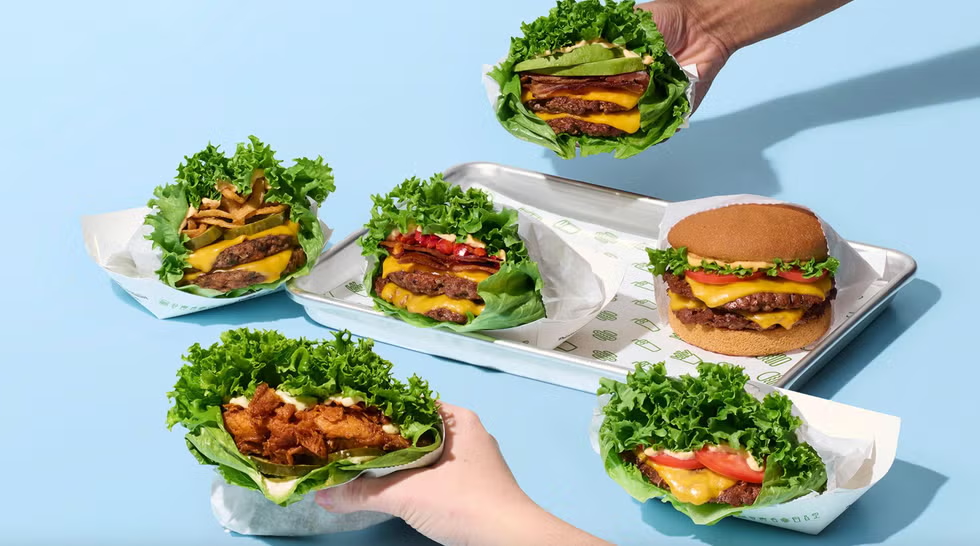
You’re craving a burger, but you also want to eat well. It’s a familiar tug-of-war. The good news? You don’t have to choose between flavor and your health goals. We asked three registered dietitians to share their go-to order at Shake Shack, and they all picked the same thing: the Shake Shack lettuce wrap. Here’s why this simple swap is a game-changer, and how you can use the same smart strategies at any burger joint.
Key Takeaways
- Dietitians agree: The ShackBurger Lettuce Wrap is the top pick at Shake Shack for a balanced, satisfying meal.
- Smart swap: Swapping the bun for lettuce cuts calories, refined carbs, and sodium significantly.
- Protein punch: With 23 grams of protein, it supports muscle health and keeps you full.
- Know the limits: Even a lettuce wrap burger still has saturated fat and sodium. Smart toppings and sides make the difference.
- Universal strategy: You can use this same ‘build your balanced burger’ approach at any fast-food chain.
Why Dietitians Love the Shake Shack Lettuce Wrap
Here’s the thing: when three different dietitians independently recommend the same menu item, it’s worth paying attention to. Jessie Winstead, RD, LD; Angel Luk, RD; and Johannah Katz, RD all pointed to the ShackBurger Lettuce Wrap as their top choice. Their reasons go beyond just calories. It’s about how the whole meal fits together.
The Shake Shack lettuce wrap starts with a quarter-pound 100% Angus beef patty, topped with American cheese, tomato, and ShackSauce, all wrapped in crisp lettuce instead of a bun. The result? A meal that feels indulgent but keeps your nutrition goals on track.
Protein Power — Why 23g Matters
Let’s talk about protein. The ShackBurger Lettuce Wrap delivers 23 grams of protein. That’s a solid amount for a single meal. The 2025-2030 Dietary Guidelines recommend 1.2 to 1.6 grams of protein per kilogram of body weight per day. For a 150-pound woman, that’s about 82 to 109 grams of protein daily. One lettuce wrap burger covers roughly a quarter of that need.
Why does this matter? Research shows that higher protein intake helps preserve muscle mass, especially during weight management. Protein also keeps you feeling full longer, which can help you avoid mindless snacking later. “The ShackBurger lettuce wrap still gives you the classic Shake Shack flavor, but it’s a little lighter and lower in refined carbs than the regular bun version,” says Winstead.
Now, you might be thinking: “Is 23 grams enough for my needs?” It depends on your body weight and activity level. But as part of a balanced day, it’s a strong start. Pair it with a side of veggies or a small salad later, and you’re well on your way.
Sodium — The Biggest Hidden Win
Here’s where the lettuce wrap really shines. The Shake Shack lettuce wrap contains 480 milligrams of sodium. Compare that to the same burger on a bun, which has 1,260 milligrams. That’s a 62% reduction. The CDC recommends limiting sodium to less than 2,300 mg per day, and most Americans consume over 3,300 mg daily. Much of that comes from restaurant and processed foods.
The bun is a major sodium contributor — as we explore in our guide to the best bread for blood pressure — and by swapping it for lettuce, you’re cutting out a significant source of hidden salt. The FDA advises asking for sauces and dressings on the side when eating out, which is another smart move. The ShackSauce alone adds about 60 calories and some sodium. Ordering it on the side lets you control how much you use.
But here’s the honest truth: 480 mg of sodium is still 21% of your daily limit. If you add fries and a soda, that number climbs fast. The lettuce wrap is a big step in the right direction, but it’s not a free pass.
Understanding the Full Picture — What the Lettuce Wrap Doesn’t Fix
Let’s be honest about what the Shake Shack lettuce wrap doesn’t change. It still has 9 grams of saturated fat. That’s 45% of the daily recommended limit on a 2,000-calorie diet. Research published in The Journal of Nutrition confirms that replacing saturated fat with unsaturated fats reduces heart disease risk. The American Heart Association recommends keeping saturated fat under 10% of total daily calories.
So what can you do? A few simple tweaks make a real difference:
- Skip the cheese. That saves about 3 to 5 grams of saturated fat.
- Add avocado. Shake Shack offers it, and it provides heart-healthy unsaturated fats along with fiber.
- Stick with a single patty. Double burgers can push saturated fat to 14-20 grams, exceeding the daily limit in one meal.
The fiber content is also minimal — just 1 gram. That’s where adding extra veggie toppings (lettuce, tomato, onion) helps. Every bit of produce counts toward the recommended 3+ servings of vegetables per day.
Build Your Balanced Burger — A Universal Framework
Here’s the best part: you can use this same strategy at any burger chain. McDonald’s, In-N-Out, Five Guys, Burger King — they’ll all serve your burger in a lettuce wrap or without a bun if you ask. Here’s your simple framework:
The 4-Step Balanced Burger Formula
1. Protein first. Choose a single patty (beef, chicken, or veggie). Aim for 20-30g protein.
2. Skip the bun. Ask for a lettuce wrap or just a bowl. Saves 150-180 calories and 24-27g refined carbs.
3. Load up on veggies. Add lettuce, tomato, onion, pickles, avocado. Every extra veggie boosts fiber and nutrients.
4. Watch the extras. Ask for sauce on the side. Skip cheese or choose a lighter option. Pair with water or unsweetened tea.
Let’s see how this plays out across popular chains. The table below compares the nutrition of a single burger with a lettuce wrap or bunless option. Values are approximate and based on subtracting typical bun nutrition from official chain data.
Fast Food Burger Showdown: Lettuce Wrap vs. Bun
| Chain | Option | Calories | Protein | Sodium | Carbs |
|---|---|---|---|---|---|
| Shake Shack | ShackBurger Lettuce Wrap | 330 | 23g | 480mg | 3g |
| In-N-Out | Hamburger Protein Style | 200 | 16g | 390mg | 8g |
| McDonald’s | Hamburger (no bun) | ~150 | ~12g | ~200mg | ~1g |
| Wendy’s | Jr. Hamburger (no bun) | ~120 | ~10g | ~250mg | ~1g |
| Five Guys | Little Hamburger (bunless) | ~350 | ~22g | ~500mg | ~2g |
*Nutrition values are approximate and may vary based on toppings and preparation. Values for McDonald’s, Wendy’s, and Five Guys are estimates based on subtracting typical bun nutrition (150-180 cal, 24-27g carbs, ~300mg sodium) from official chain nutrition data. Always check the restaurant’s official nutrition guide for the most accurate information.
Veggie Boost — Every Serving Counts
The Shake Shack lettuce wrap may not be a salad, but it’s a step in the right direction. “By choosing the lettuce wrap option, you’ll be getting closer to 3 servings of vegetables per day that is recommended by the Dietary Guidelines for Americans,” says Angel Luk, RD. The lettuce itself counts as a serving of vegetables, and you can add tomato, onion, and avocado for more.
“They add volume, crunch, and some fiber for relatively few calories, which can make the meal feel more satisfying,” adds Johannah Katz, RD. This is a simple but powerful strategy: more vegetables means more nutrients, more fiber, and more satisfaction for fewer calories.
Tips for Building a More Balanced Meal at Shake Shack
Here are the dietitians’ top strategies for making your Shake Shack visit work for your health goals:
- Order the sauce on the side. “Requesting ShackSauce on the side can help you control the amount used,” says Katz. One serving has about 60 calories. Using half saves 30 calories and some sodium.
- Choose water or unsweetened tea. “Choosing water or unsweetened tea avoids additional calories and added sugar,” says Katz. A regular soda adds 150-200 empty calories and 40+ grams of sugar.
- Focus on balance, not perfection. “At Shake Shack, I wouldn’t try to ‘healthify’ the whole meal so much that it stops being enjoyable. Pick your non-negotiable, whether that’s the burger, fries, or shake, then make the rest of the order a little lighter,” says Winstead.
- Check the nutrition info ahead of time. Looking at the menu before you order makes it easier to compare options and choose the combination that fits your needs.
Frequently Asked Questions
Is the Shake Shack lettuce wrap gluten-free?
Yes, the ShackBurger Lettuce Wrap is naturally gluten-free since it replaces the bun with lettuce. However, always confirm with the restaurant about cross-contamination if you have celiac disease or a severe gluten sensitivity.
Can I order the Shake Shack lettuce wrap if I’m on a GLP-1 medication?
Yes, the lettuce wrap is a good option for those on GLP-1 medications because it’s lower in refined carbs and provides protein to support satiety. Stick with a single patty to keep fat content moderate, and avoid high-fat sides like fries that can cause digestive discomfort. Always consult your healthcare provider for personalized advice.
How does the Veggie Shack compare to the ShackBurger Lettuce Wrap?
The Veggie Shack (lettuce wrap) has about 630 calories and 20g of protein. It’s higher in calories than the beef ShackBurger Lettuce Wrap (330 cal) but provides more fiber from actual vegetables like mushrooms, sweet potatoes, and farro. For a deeper comparison of plant-based versus beef burger options, see our guide on how to choose the best veggie burger for your health. If you’re vegetarian or want more fiber, the Veggie Shack is a solid choice. Just be aware of the higher calorie count.
The Bottom Line
The Shake Shack lettuce wrap is a smart, dietitian-approved choice that balances flavor with nutrition. It delivers 23 grams of protein, cuts sodium by 62% compared to the bun version, and adds a serving of vegetables to your meal. But it’s not a magic bullet. The saturated fat and sodium still need attention, and the best strategy is to pair it with smart choices like water, extra veggies, and sauce on the side.
The real takeaway? You can enjoy fast food without derailing your health goals. Use the ‘Build Your Balanced Burger’ framework at any chain: prioritize protein, swap the bun for lettuce, load up on veggies, and watch the extras. It’s not about perfection. It’s about making choices that work for you, one meal at a time.