

500 Calorie Dinners: The Smart Formula for Weight Loss
Key Takeaways
- 500 calorie dinners are a smart tool for weight management — not a restrictive diet. A ~500-calorie dinner within a balanced 1500-2000 calorie day creates the gradual deficit that supports sustainable weight loss.
- Sheet pan cooking is the ultimate “effortless” method: one pan, minimal cleanup, and the single-pan format naturally helps you control portions.
- The TEOHL 500-Calorie Dinner Formula is simple: lean protein + half your pan with non-starchy vegetables + a smart carb + healthy fat + bold flavor without excess oil.
- A 500-calorie dinner is NOT a very-low-calorie diet (VLCD). It’s intentional meal design within a healthy eating pattern — and that’s a critical difference.
- With a few meal prep tricks, you can have 3-4 sheet pan dinners ready to go in under an hour on Sunday.
Picture this: It’s 6:15 PM on a Tuesday. You’re tired, hungry, and staring into the fridge. The last thing you want is a complicated recipe with a sink full of dishes. But you also don’t want to blow your healthy eating goals on takeout. Here’s the thing — there’s a dinner strategy that solves both problems at once. It’s called 500 calorie dinners, and it might just be the smartest weight loss tool you’re not using yet.
I’m not talking about a restrictive diet where you eat tiny portions and feel hungry. I’m talking about 500 calorie dinners that are satisfying, packed with vegetables and protein, and come together on a single sheet pan with almost no cleanup. The science backs this up: creating a daily deficit of about 500 calories through intentional meal choices supports gradual, sustainable weight loss of about 1 to 2 pounds per week, according to CDC guidelines for healthy weight loss.
Quick Answer: Are 500 Calorie Dinners Healthy?
Yes — when done right. A 500-calorie dinner is a healthy, effective tool for weight management when it’s part of a balanced 1500-2000 calorie day. The key is what those 500 calories are made of: lean protein, lots of vegetables, smart carbs, and healthy fats. This is NOT a very-low-calorie diet (VLCD), which is risky and requires medical supervision. It’s simply a smart, intentional dinner that supports your goals without deprivation.
Why 500 Calorie Dinners Work for Weight Loss
Let’s be honest — weight loss comes down to energy balance. You need to take in fewer calories than you burn. But here’s what most diet articles won’t tell you: the magic isn’t in extreme restriction. It’s in consistency.
A daily deficit of about 500 calories is the sweet spot. It’s enough to lose about a pound per week, but not so aggressive that you feel deprived or your metabolism slows down. The NIH weight management resources confirm that gradual, steady weight loss is more likely to stick long-term.
For a structured weekly approach, our 5-Day Weight Loss Meal Plan for Women Over 40 provides a proven framework to help you apply these principles consistently.
Now, you might be thinking: “But I eat dinner with my family. How do I make a 500-calorie meal that everyone will enjoy?” That’s the beauty of this approach. A 500-calorie dinner isn’t a tiny, sad portion. It’s a well-built plate that happens to be calorie-conscious. Everyone at the table can eat the same meal — just adjust portions for different needs.
Why Sheet Pan Meals Are the Perfect Vehicle for 500 Calorie Dinners
Here’s what I find fascinating about sheet pan cooking. It’s not just convenient — it actually helps you eat better. When everything cooks on one pan, you naturally build a balanced meal. You can see exactly how much protein, vegetables, and carbs you’re eating. There’s no hiding.
Research backs this up. A 2021 systematic review published in Obesity Research & Clinical Practice found that using portion-controlled plates and visual guides significantly reduced body weight by about 4.5 pounds on average, along with improvements in BMI and waist circumference. The research on portion-controlled plates for weight loss shows that visual cues matter — and a single sheet pan is essentially a built-in portion guide.
Plus, sheet pan dinners eliminate the biggest barrier to healthy eating: effort. When dinner takes 10 minutes of active prep and one pan to clean, the “I’m too tired” excuse disappears. And that consistency is what drives real results.
The 500 Calorie Dinners Formula: Build Your Own
This is the part most recipe lists skip. They give you 15 recipes, but what happens when you don’t have those exact ingredients? You’re stuck. That’s why I’m giving you the formula instead.
The TEOHL 500-Calorie Dinner Formula is simple and flexible. It’s based on the Harvard Healthy Eating Plate, which recommends filling half your plate with vegetables and fruit, a quarter with lean protein, and a quarter with whole grains. Here’s how it translates to a 500-calorie sheet pan dinner:
The Formula
1. Lean Protein (4-6 oz cooked, ~150-200 calories): Chicken breast, turkey cutlets, fish (salmon, cod, tilapia), shrimp, tofu, or lean beef. This keeps you full and supports muscle maintenance during weight loss.
2. Non-Starchy Vegetables (2-3 cups, ~50-100 calories): Broccoli, cauliflower, zucchini, bell peppers, asparagus, Brussels sprouts, green beans, cherry tomatoes. Fill half your pan with these. They add volume, fiber, and nutrients for very few calories.
3. Smart Carb (1/2 to 1 cup cooked, ~100-150 calories): Sweet potato, baby potatoes, quinoa, brown rice, or whole-wheat pasta. This gives you energy and satisfaction without spiking your blood sugar.
4. Healthy Fat (1-2 tablespoons, ~60-120 calories): Olive oil, avocado oil, or a small amount of nuts/seeds. Use it wisely — one tablespoon of oil adds about 120 calories, so measure it.
5. Bold Flavor (0-20 calories): Citrus juice, vinegar, herbs, spices, garlic, ginger, mustard, or a splash of soy sauce. This is where you make the meal delicious without adding calories.
The biggest calorie traps? Cooking oils and sauces. A single tablespoon of olive oil is 120 calories. Two tablespoons of a creamy dressing can add 150 calories. Use a spray oil for even coating, or toss vegetables in a tablespoon of oil and spread them out so every piece gets a little without being drenched.
5 Standout 500 Calorie Dinners to Try This Week
Here are five sheet pan dinners that hit the 500-calorie sweet spot. Each one is balanced, satisfying, and comes together on one pan.
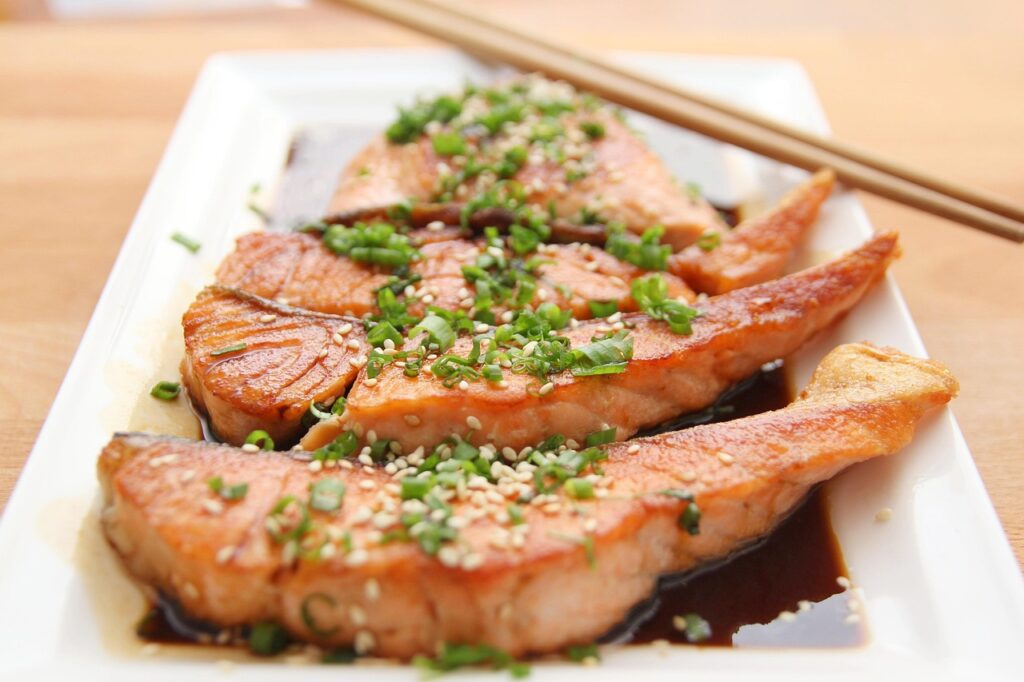
1. Lemon-Herb Salmon with Asparagus & Baby Potatoes
~480 calories | 35g protein
Toss 4 oz salmon fillet, 2 cups asparagus, and 1 cup halved baby potatoes with 1 tbsp olive oil, lemon juice, garlic, and dill. Roast at 400°F for 18-20 minutes. The salmon stays tender, the asparagus gets crispy edges, and the potatoes soak up all the lemony goodness.
2. Greek Chicken with Bell Peppers, Red Onion & Chickpeas
~490 calories | 40g protein
Marinate 5 oz chicken breast in lemon juice, oregano, and garlic. Toss with sliced bell peppers, red onion, and 1/2 cup chickpeas. Drizzle with 1 tbsp olive oil and roast at 425°F for 25 minutes. Serve with a dollop of Greek yogurt for extra creaminess.
3. Harissa Tofu with Broccoli & Sweet Potato
~470 calories | 22g protein
Cube 6 oz extra-firm tofu and toss with 1 tbsp harissa paste. Add 2 cups broccoli florets and 1 cup cubed sweet potato. Roast at 400°F for 25-30 minutes. The harissa adds smoky heat without any extra calories. This one is a game-changer for plant-based eaters.
4. Balsamic Chicken Cutlets with Cherry Tomatoes & Green Beans
~460 calories | 38g protein
Brush 5 oz chicken cutlets with 1 tbsp balsamic glaze. Toss 2 cups green beans and 1 cup cherry tomatoes with 1 tsp olive oil, salt, and pepper. Roast at 425°F for 20 minutes. The tomatoes burst and create a natural sauce for the chicken.
5. Shrimp Fajitas with Bell Peppers & Onion
~440 calories | 32g protein
Toss 5 oz shrimp with sliced bell peppers, red onion, and fajita seasoning. Roast at 400°F for 12-15 minutes. Serve over 1/2 cup cauliflower rice or wrapped in two corn tortillas. The shrimp cook in minutes, making this the fastest option on the list.
Meal Prep Your 500 Calorie Dinners in One Hour
Here’s the secret to making this work long-term: prep ahead. Spend one hour on Sunday, and you’ll have 3-4 sheet pan dinners ready to go.
Here’s how I do it:
- Chop your vegetables: Wash and chop broccoli, bell peppers, zucchini, and onions. Store each in separate containers or bags.
- Portion your protein: Cut chicken breasts into 5 oz portions. Marinate them in individual bags with different flavors (lemon-herb, balsamic, Greek).
- Pre-measure your carbs: Cook a batch of quinoa or brown rice. Cube sweet potatoes and store them raw.
- Assemble in bags: For each dinner, put the protein, vegetables, and carb in a labeled zip-top bag. When you’re ready to cook, dump it on a sheet pan, add oil and seasoning, and roast.
This system takes the decision fatigue out of dinner. You don’t have to think about what to cook — you just grab a bag and go.
Maximizing Flavor Without Extra Calories
Let’s be real — low-calorie food can be bland if you don’t know what you’re doing. But here’s the good news: you can pack massive flavor into a 500-calorie dinner without adding significant calories.
My go-to flavor boosters:
- Citrus juice and zest: Lemon, lime, and orange add brightness for almost zero calories.
- Vinegars: Balsamic, red wine, rice, and apple cider vinegar add acidity that makes vegetables taste amazing.
- Spice blends: Harissa, za’atar, Cajun seasoning, and chili powder add complexity without calories.
- Fresh herbs: Cilantro, parsley, basil, and dill add freshness at the end.
- Garlic and ginger: Roast whole cloves alongside your vegetables for sweet, mellow garlic flavor.
One trick I love: toss your vegetables in a tablespoon of oil, but spread them in a single layer so every piece gets a thin coating. You use less oil overall, and the vegetables roast instead of steam, giving you those crispy, caramelized edges.
Common Questions About 500 Calorie Dinners
Is a 500-calorie dinner the same as a 500-calorie diet?
Absolutely not — and this is a critical distinction. A 500-calorie dinner is one meal within a balanced day of eating (typically 1500-2000 total calories). A 500-calorie diet means eating only 500 calories total per day, which is a very-low-calorie diet (VLCD) that requires medical supervision and carries significant risks like nutritional deficiencies, muscle loss, and gallstones. TEOHL is talking about smart meal design, not extreme restriction.
Will I feel hungry on 500-calorie dinners?
Not if you build them right. The key is volume and protein. Fill half your pan with non-starchy vegetables — you can eat a huge volume of broccoli, zucchini, or cauliflower for very few calories. Pair that with 4-6 ounces of lean protein, and you’ll feel satisfied. Research confirms that a vegetable-forward approach supports healthy weight management and cardiovascular health.
Can I eat 500-calorie dinners every night?
You can, but you don’t have to. The goal is consistency, not perfection. Aim for 4-5 nights per week of intentional 500-calorie dinners, and let the other nights be more flexible. This approach is sustainable because it’s not all-or-nothing.
What if I’m vegetarian or vegan?
The formula works perfectly for plant-based eaters. Use tofu, tempeh, chickpeas, lentils, or edamame as your protein. The Harissa Tofu with Broccoli & Sweet Potato recipe above is a great starting point. Just be mindful of portion sizes for higher-calorie plant proteins like nuts and seeds.
The Bottom Line
Here’s what I want you to take away from this. 500 calorie dinners aren’t about deprivation. They’re about intention. They’re about having a simple, reliable strategy that makes healthy eating effortless on busy nights.
The sheet pan is your secret weapon. It eliminates the cleanup excuse, naturally controls portions, and makes it easy to build a balanced meal every time. The formula — lean protein + half your pan with vegetables + smart carb + healthy fat + bold flavor — means you never need another recipe list. You can walk into your kitchen, look at what you have, and build a 500-calorie dinner in minutes.
Start with one night this week. Pick a protein, fill your pan with vegetables, add a smart carb, and roast. See how it feels to eat a dinner that’s both satisfying and aligned with your goals. That’s what healthy weight management looks like — not a diet, but a sustainable way of eating that works with your life, not against it.