

Alfalfa Sprouts Safety: What the 2026 Outbreak Reveals
Key Takeaways
- A multi-country Salmonella outbreak linked to alfalfa sprouts affected 109 people in 2026, with adult women making up most cases.
- Raw sprouts are especially risky because they grow in warm, humid conditions that can harbor bacteria.
- Cooking sprouts thoroughly kills Salmonella. People with weakened immune systems should avoid raw sprouts entirely.
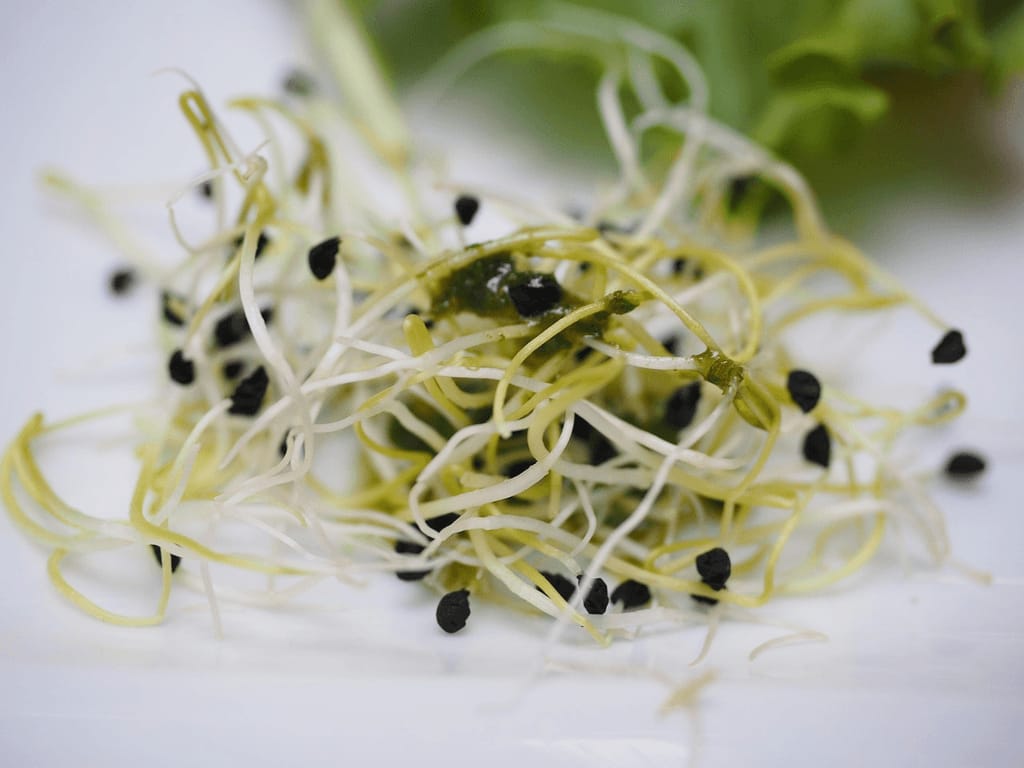
Alfalfa sprouts often feel like a health hero — a crunchy, fresh addition to salads and sandwiches. But a recent outbreak raises an important question: how much do we really know about alfalfa sprouts safety? In 2026, a multi-country Salmonella outbreak linked to these tiny sprouts sickened 109 people across Europe, and the majority were adult women. Here’s what happened, why sprouts can be risky, and how to keep them safe in your kitchen.
Quick Answer: Are Alfalfa Sprouts Safe?
Raw alfalfa sprouts carry a higher risk of foodborne illness because they are grown in conditions that can also grow bacteria. Thorough cooking kills most germs, so cooked sprouts are safe. If you have a weaker immune system, it’s best to avoid raw sprouts entirely.
Alfalfa Sprouts Safety: What the 2026 Outbreak Tells Us
Between January and May 2026, the European Food Safety Authority confirmed 109 cases of Salmonella Bovismorbificans ST377 across 10 EU countries and the United Kingdom. The outbreak disproportionately affected adult women. Eighteen people needed hospital care, and two deaths were reported in Finland. These numbers remind us that alfalfa sprouts safety isn’t just a niche issue — it’s a real health concern.
Why Are Sprouts So Prone to Contamination?
Here’s the thing: sprouts are grown from seeds in warm, moist conditions — the same conditions bacteria love. Unlike lettuce or tomatoes, you can’t simply rinse off the germs. The bacteria can get inside the seed before it even sprouts. That’s why outbreaks linked to sprouts happen again and again, not just with alfalfa, but also with bean sprouts and clover sprouts.
How to Reduce Your Risk
So does this mean you have to give up sprouts forever? Not necessarily. Cooking sprouts to an internal temperature of 165°F (74°C) kills Salmonella. Try adding them to stir-fries, soups, or grain bowls where they’ll be heated through. For salads and garnishes, consider using microgreens instead — they offer a similar crunch and are a popular alternative. If you are in a vulnerable group, cooking any sprout or microgreen is the safest option.
If you choose to eat raw sprouts, buy them refrigerated and check the sell-by date. However, even fresh-looking sprouts can carry bacteria, so the safest bet for vulnerable individuals is to avoid them raw.
Who Is at Highest Risk?
Salmonella can affect anyone, but complications are more likely in older adults, pregnant people, young children, and those with weakened immune systems. Symptoms include diarrhea, fever, stomach cramps, and vomiting. If you experience severe symptoms or dehydration, seek medical care promptly.
The Bottom Line
Alfalfa sprouts safety comes down to knowing the risks and handling them right. This outbreak serves as a real-world reminder that even healthy foods need careful preparation — as our blueberry recall coverage also shows. Cook them, enjoy them hot, and when in doubt, choose a safer alternative. Your health is worth it.