

Vitamin K1 and Lung Health: What New Research Says
Key Takeaways
- Vitamin K1 — the form found in leafy greens — is linked to better lung function and a 16% lower risk of COPD.
- Vitamin K2 (from animal foods) did not show the same benefit in this large UK Biobank study.
- The mechanism involves a protein called matrix Gla protein (MGP) that needs vitamin K to prevent calcium buildup in lung tissue.
- Just one extra serving of leafy greens per day may support lung health — but always check with your doctor if you take blood thinners.
You’ve probably heard that eating your leafy greens is good for you, but a new study suggests that vitamin K1 — the form found in kale, spinach, and broccoli — may be especially important for your lungs. A large study published in the American Journal of Clinical Nutrition looked at over 179,000 people and found that those who ate the most vitamin K1 had healthier lungs and a lower risk of developing COPD (chronic obstructive pulmonary disease). Here’s what the science says, how it works, and how to add more of this nutrient to your plate.
Quick Answer: Is Vitamin K1 Good for Your Lungs?
Yes, emerging research suggests that a higher intake of vitamin K1 from food sources like leafy greens is associated with better lung function and a lower risk of COPD. The evidence is strongest for food, not supplements — and it’s especially relevant for smokers or those exposed to airborne pollutants. However, the research is observational, so we can’t say it prevents COPD for sure, but adding greens is a healthy move either way.
What Does Vitamin K1 Do in the Body?
Vitamin K is a fat-soluble vitamin that comes in two main forms: K1 (phylloquinone) and K2 (menaquinones). The NIH Office of Dietary Supplements explains that vitamin K is best known for its role in blood clotting and bone health. But researchers are now discovering it may do even more — especially for your lungs.
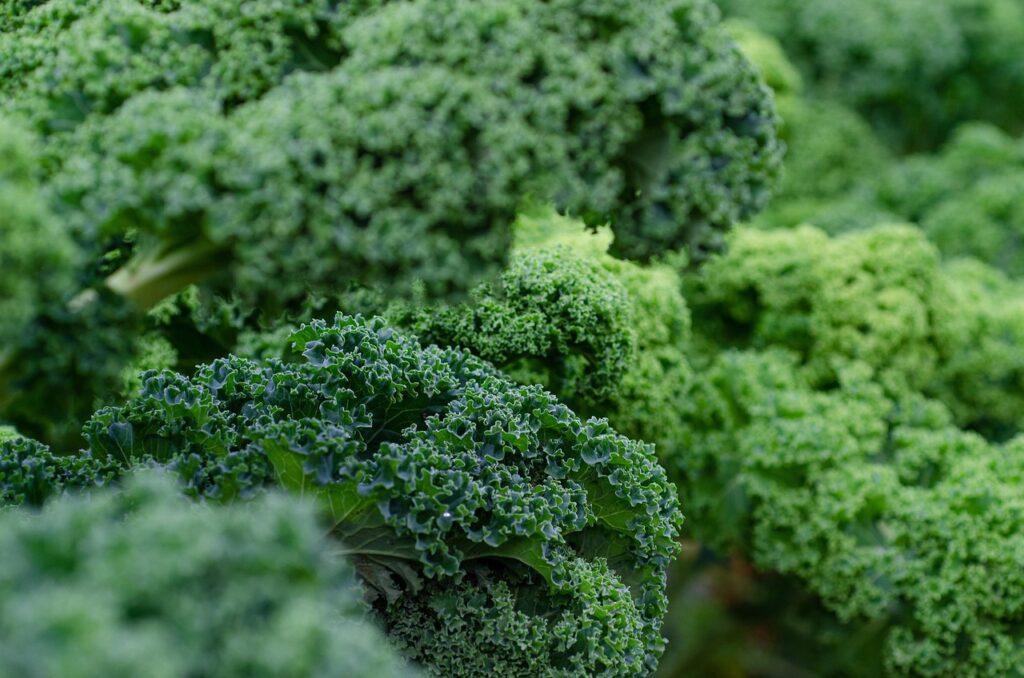
Vitamin K1 is the primary form found in plant foods like kale, spinach, Brussels sprouts, and broccoli — the same greens linked to better brain health. It’s also the form that appears to benefit lung function, according to the latest study.
How Vitamin K1 May Help Your Lungs
So how exactly does vitamin K1 affect lung health? It comes down to a protein called matrix Gla protein (MGP). As the American Heart Association has noted, MGP is a vitamin K-dependent protein that helps prevent calcium from building up in soft tissues. In your lungs, that matters because calcium deposits can damage elastic fibers over time — a hallmark of COPD.
The recent UK Biobank study found that people with the highest vitamin K1 intake had a 16% lower risk of developing COPD compared to those with the lowest intake (hazard ratio 0.84). That’s a meaningful difference, especially for current and former smokers, and for people exposed to dust or fumes at work.
Interestingly, vitamin K2 — found in dairy, eggs, and meat — did not show the same connection with lung health. That doesn’t mean K2 isn’t important (it’s great for bones and heart), but when it comes to lungs, vitamin K1 took the lead in this study.
Vitamin K1 vs. Vitamin K2: What’s the Difference?
It’s easy to lump all vitamin K together, but the forms matter. Vitamin K1 comes mainly from plants, especially dark leafy greens. Vitamin K2 is found in animal products and fermented foods. Both are important for health, but they act differently in the body.
For lung function specifically, the evidence currently points to vitamin K1. The researchers noted that foods rich in K1 also contain other beneficial compounds (like antioxidants) that may contribute to the effect. So it’s likely the whole package — not just one nutrient — that helps.
How to Get More Vitamin K1 in Your Diet
The good news is that adding vitamin K1 to your diet is simple and delicious. The study suggests that just one extra serving of leafy greens per day could make a difference. Here’s a quick guide to some of the best sources:
Top Vitamin K1-Rich Foods
- Kale (1 cup cooked): ~800 mcg
- Collard greens (1 cup cooked): ~800 mcg
- Spinach (1 cup cooked): ~740 mcg
- Brussels sprouts (1 cup cooked): ~300 mcg
- Broccoli (1 cup cooked): ~220 mcg
- Cabbage (1 cup raw): ~80 mcg
For reference, the NIH recommends 90 mcg per day for women and 120 mcg for men — so one serving of greens easily covers that. The study’s benefit was seen at higher intakes, so aim for several servings a week.
Try these simple ways to work in more leafy greens:
- Blend into smoothies — A handful of spinach or kale pairs well with fruit and yogurt.
- Stir into soups or stews — Greens wilt down, adding nutrients without changing flavor much.
- Roast them — Toss Brussels sprouts or broccoli with olive oil and roast at 400°F for a crunchy side.
- Add to pasta or eggs — Chopped spinach or kale mixes into almost any cooked dish.
Safety: Who Should Be Careful with Vitamin K1?
While vitamin K1 from food is safe for most people, there’s one important exception: if you take blood-thinning medications like warfarin (Coumadin). Vitamin K helps your blood clot, so a sudden increase can interfere with these meds. If you’re on a blood thinner, talk to your doctor before loading up on greens — they can help you find a consistent intake that works with your medication.
Otherwise, getting vitamin K1 from food is safe and beneficial. Supplements are generally not needed and the study specifically pointed to food sources, not pills, as the source of benefit.
Frequently Asked Questions
Can vitamin K1 supplements help my lungs?
Right now, the evidence supports food sources, not supplements. The study looked at dietary intake, not supplements. More research is needed before we can say pills work the same way. Stick with greens for now.
Can I eat too much vitamin K1?
There is no known toxicity for vitamin K from food. High doses from supplements could theoretically affect blood clotting, but it’s very hard to overdo it with greens. If you have a medical condition or take blood thinners, check with your healthcare provider.
The Bottom Line
Vitamin K1 is a powerhouse nutrient that does more than help your blood clot. New research suggests it may also support healthy lungs and reduce the risk of COPD — especially if you’re a smoker or work around dust and fumes. The best way to get it is through food: kale, spinach, collards, Brussels sprouts, and broccoli. Aim for one serving a day, and your lungs may thank you.
As always, if you’re on blood thinners, talk to your doctor before making big changes to your green intake. For everyone else, go ahead and enjoy that extra handful of greens — it’s a simple, delicious step toward better health.