

Mosquito Bite Relief: Science-Backed Remedies That Actually Work
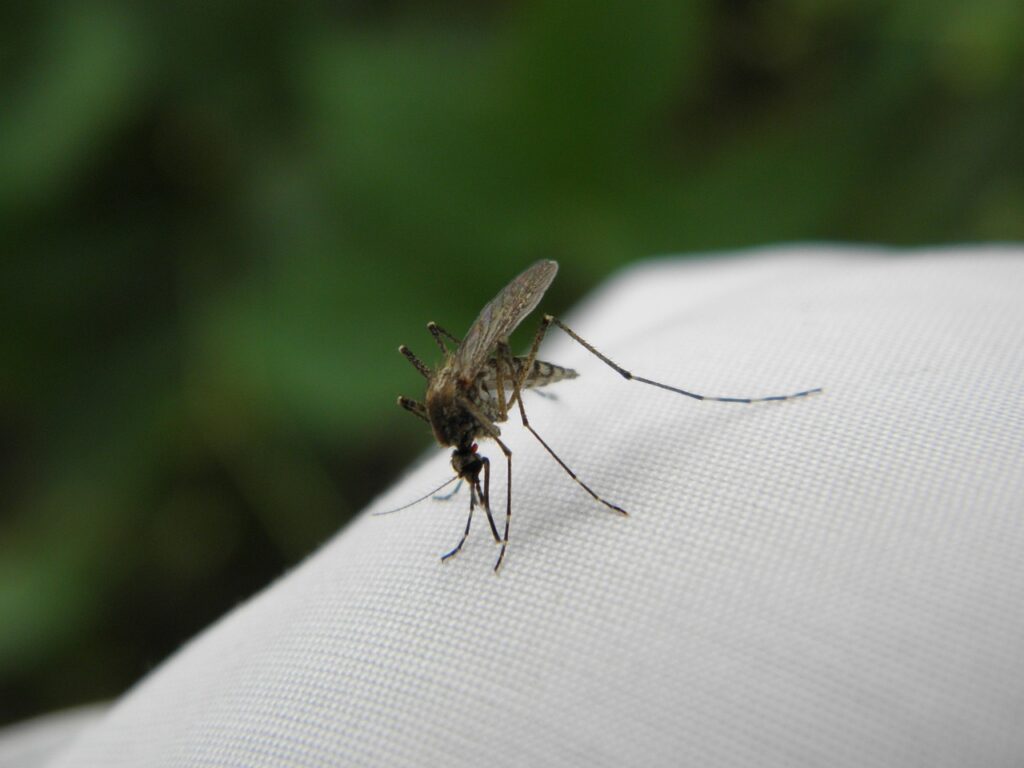
You’re outside on a warm night, and then you feel it. That tickle on your arm. A mosquito bit you. Now the itch is driving you crazy. You know you shouldn’t scratch, but why does it make things worse? And what can you do for real mosquito bite relief? Let’s look at the science and find answers that work.
Key Takeaways
- Scratching damages your skin and releases more histamine, making the itch worse.
- Second-generation antihistamines (cetirizine, loratadine) are the most proven option for mosquito bite relief.
- Cold packs, hydrocortisone cream, and colloidal oatmeal also help, each with different levels of science behind them.
- Use a tiered plan: cold for mild bites, antihistamines for moderate ones, and a doctor for severe reactions.
- If a bite grows larger than a few inches, has blisters, or shows signs of infection, see a doctor.
Quick Answer: What Works for Mosquito Bite Relief?
Mosquito bite relief means stopping the itch and reducing swelling. The best method depends on how strong your reaction is. For most people, a mix of cold, an oral antihistamine, and a topical cream does the job. Natural options like colloidal oatmeal can soothe, but they have less proof. Start with the basics and move up if needed.
The Science of Mosquito Bite Relief: Why Scratching Backfires
Here’s what happens when a mosquito bites you. The insect spits saliva into your skin. Your immune system sees it as a threat. It sends mast cells to the area. Those cells release histamine — a chemical that makes you itch and swell. Research on mosquito bite histamine shows that histamine is the main cause, but other compounds like tryptase also play a part.
Now, when you scratch, you don’t just relieve the itch for a moment. You damage your skin barrier. Studies on the itch-scratch cycle show that scratching breaks tight junctions — the glue that holds skin cells together. This lets more irritants in and causes more inflammation. You also trigger more mast cells to release histamine. The result? A worse itch that lasts longer.
A 2025 article on itch explains that the itch-scratch cycle is so strong that just thinking about it can make you want to scratch. That’s why breaking the cycle is key for real mosquito bite relief.
Mosquito Bite Relief Options: Ranked by Evidence
Not all remedies are equal. Here are the options ranked by how much science backs them. Use this tiered system to pick what to try first.
Level 1: Mild Bites (A Little Itchy)
Cold therapy is your first step. Wrap an ice pack in a cloth and hold it on the bite for 10 minutes. Cold numbs the nerves and narrows blood vessels, which slows down histamine spread. It’s safe, cheap, and works fast. Follow up with a plain moisturizer to protect your skin.
Level 2: Moderate Bites (Really Itchy, Some Swelling)
For stronger reactions, add an oral antihistamine. A trial on cetirizine found that a 10 mg dose cut both immediate wealing and delayed itching by up to 70%. Second-generation antihistamines like cetirizine (Zyrtec), loratadine (Claritin), and fexofenadine (Allegra) work without causing sleepiness. First-generation ones like diphenhydramine (Benadryl) can make you drowsy, so use them with care.
You can also use over-the-counter hydrocortisone cream (1%) on the bite. It lowers inflammation directly. Follow the directions on the package for how often to apply. Generally, a thin layer on unbroken skin a few times a day is safe for short-term use.
Level 3: Severe Bites (Large Welts, Blisters, or Fever)
Some people get very large local reactions, a condition called Skeeter syndrome. Research on mosquito bite reactions confirms that these can involve extensive swelling, sometimes with blistering. If your bite is unusually large (more than a few inches across), has blisters, or comes with fever or pain, see a doctor. Don’t try to treat this at home.
Natural Mosquito Bite Relief: What Helps and What Doesn’t
Many people like natural options first. That’s fine — some have real science behind them. Others are more tradition than fact.
Colloidal oatmeal has the best proof among natural remedies. A clinical study showed it reduces itch and swelling by blocking inflammatory signals. You can buy colloidal oatmeal creams or make a bath by grinding plain oats into a fine powder and mixing with cool water. Soak for 15 to 20 minutes.
Aloe vera is cooling and moisturizing. Some animal studies hint it may reduce swelling, but there is almost no research on aloe for mosquito bites in people. It probably won’t hurt, but don’t rely on it alone.
Baking soda paste (mixing baking soda with a little water) is a common folk cure. But no studies have tested it for mosquito bites. The same goes for honey and essential oils like tea tree or basil. They might feel soothing, but they lack proof. Stick with proven mosquito bite relief methods instead.
Build a Mosquito Bite Relief Kit
Being ready makes all the difference. Put together a small kit for summer so you can act fast when you get bitten. Here’s what to include:
- Cold pack (or a reusable gel pack) — for quick cooling
- Oral antihistamine — cetirizine 10 mg or loratadine 10 mg are good picks
- Hydrocortisone cream (1%) — for stubborn swelling
- Colloidal oatmeal cream — for soothing itchy skin
- Plain moisturizer — to protect your skin after cold therapy
- Aloe gel — optional, for cooling comfort (not proven)
Keep this kit in your bathroom or take it on trips. Quick action means faster mosquito bite relief and less chance of falling into the scratch cycle.
When to See a Doctor
Most mosquito bites heal on their own in a few days. But sometimes you need medical help. Seek care if:
- The bite gets larger than a few inches across
- You get blisters or open sores
- The area feels hot, painful, or oozes yellow fluid (signs of infection)
- You have a fever, chills, or swollen glands
- The bite doesn’t improve after a week
These could be signs of Skeeter syndrome (a severe allergic reaction) or a bacterial infection. Both need proper treatment.
Frequently Asked Questions
Q: Can I take an antihistamine after I’ve been bitten?
A: Yes. It works best before exposure, but it still helps after. It lowers ongoing histamine release and calms the itch.
Q: Is it safe to put ice directly on my skin?
A: No. Always wrap ice in a thin cloth to avoid frostbite. Apply for 10 minutes, then take a 10-minute break.
Q: Why do some people get huge welts while others get tiny bumps?
A: It depends on your immune system. People with allergies, asthma, or eczema tend to react more. Repeated bites can also make you more sensitive over time.
The Bottom Line
Scratching a mosquito bite only makes it worse. Real mosquito bite relief starts with understanding the itch-scratch cycle and using a tiered plan: cold for mild bites, antihistamines and hydrocortisone for moderate ones, and a doctor for severe reactions. Natural options like colloidal oatmeal can help, but skip unproven ones. Build a bite relief kit now so you’re ready when summer comes. Your skin will thank you.