

Is Salmon Healthy for Women? Benefits, Risks, How Much
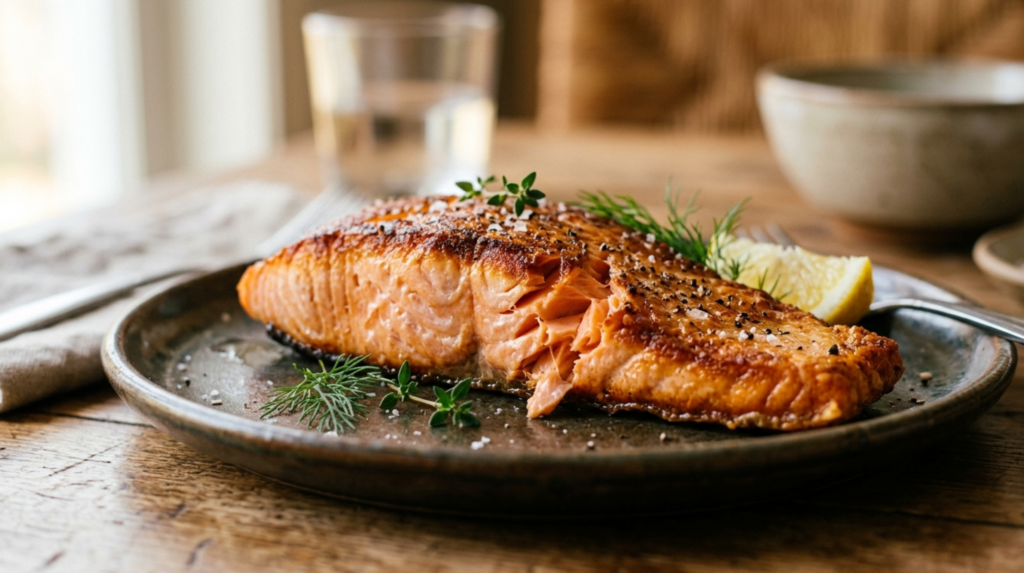
Is salmon really as healthy as everyone claims? You’ve seen it on every “superfoods” list, heard your doctor recommend it, and watched it dominate every clean-eating meal plan. But if you’re a woman trying to make smart choices about your nutrition, you deserve more than a surface-level answer. The truth about whether salmon is healthy for women is layered — and yes, the benefits are real, but so are a few things you need to watch out for.
Quick Answer: Is Salmon Healthy for Women?
Yes — salmon is one of the most nutrient-dense foods you can eat. It’s rich in omega-3 fatty acids, high-quality protein, vitamin D, and selenium, all of which are especially important for women’s hormonal balance, metabolic health, and cardiovascular health. However, salmon choice matters: wild-caught is nutritionally superior, and women of reproductive age should be mindful of mercury exposure. Eating 2–3 servings per week gives you meaningful benefits without the risks.
Why “Is Salmon Healthy” Is Actually a More Complicated Question Than You Think
Here’s the honest truth: not all salmon is created equal. Where it comes from, how it was raised, and how you cook it all affect whether you’re actually getting what the label promises. This is why a simple “yes, salmon is healthy” answer isn’t enough — especially for women navigating hormonal shifts, metabolic changes, or specific health goals.
Wild-caught salmon from Alaska, for example, has a dramatically different nutritional profile than farmed Atlantic salmon raised on processed feed. One delivers superior omega-3 levels and fewer contaminants. The other is cheaper, widely available, but more variable in quality. Understanding this distinction helps you make choices that actually serve your health.
Then there’s the cooking method. Grilled or baked salmon preserves its nutrients beautifully. Deep-fried or covered in heavy sauces? You’re adding calories and inflammatory fats that partially offset the benefits. So let’s break down what the science actually says — and what it means for you specifically as a woman.
The Impressive Nutritional Profile That Makes Salmon Healthy
A 3.5-ounce (100g) serving of wild-caught salmon delivers a remarkable amount of nutrition in very few calories. According to USDA FoodData Central, wild Atlantic salmon contains approximately 182 calories, 25 grams of protein, 8 grams of healthy fat, and virtually zero carbohydrates. That macro profile alone makes it a standout food for women focused on body composition.
Beyond the macros, salmon is packed with micronutrients that women are frequently deficient in. It provides an exceptional amount of vitamin D — a nutrient that research links directly to hormonal regulation, immune function, and mood stability in women. One serving covers up to 97% of your daily vitamin D needs. That’s significant.
Salmon is also one of the best food sources of B12, selenium, and potassium. These nutrients support thyroid function, energy production, and cardiovascular health — three areas that become increasingly important as women move through their 30s, 40s, and beyond. This is why salmon earns its superfood status based on actual nutritional evidence, not marketing.
Salmon Nutrition at a Glance (3.5 oz / 100g Wild-Caught)
Calories: ~182 | Protein: 25g | Omega-3s: 2.2g | Vitamin D: 526 IU (97% DV) | Vitamin B12: 3.2mcg (133% DV) | Selenium: 36.5mcg (66% DV) | Potassium: 490mg (14% DV). These numbers reflect wild-caught varieties — farmed salmon may differ, particularly in fat content and omega-3 ratio.
Is Salmon Healthy for Women’s Hormonal Balance? The Omega-3 Connection
This is where salmon gets genuinely exciting for women’s health. The omega-3 fatty acids EPA and DHA found in salmon play a direct role in hormonal function. These aren’t just heart-health nutrients — they’re building blocks for cell membrane health and influence how hormones are produced and transported throughout your body.
Research published in Nutrients found that omega-3 fatty acid intake is associated with improvements in hormonal markers related to menstrual health, reducing the severity of PMS symptoms and supporting more balanced estrogen metabolism. For women dealing with painful periods or hormonal fluctuations, this is meaningful clinical evidence — not just theoretical benefit.
During perimenopause and menopause, omega-3s continue to show benefit. Studies indicate they help moderate inflammatory responses that worsen hot flashes, support cognitive function during hormonal transitions, and contribute to better mood stability. If you’re exploring foods that balance hormones naturally, salmon belongs at the top of that list.
The key is consistency. Eating salmon once a month won’t move the needle on hormonal health. Two to three servings per week — as recommended by the American Heart Association — is where you’ll see sustained benefit. Think of it as a long-term investment in your hormonal resilience, not a quick fix.
Salmon and Women’s Weight Loss: Does It Actually Help?
If you’re working on weight management, salmon is one of the most strategically useful foods you can add to your diet. Here’s why the science supports this claim. First, its protein content — 25 grams per serving — triggers significant satiety hormones and preserves lean muscle mass during caloric deficits. That’s critical for women, because muscle loss during weight loss slows metabolic rate and makes long-term maintenance harder.
Second, the omega-3s in salmon have been studied specifically in the context of body composition. A review in the International Journal of Obesity found that omega-3 supplementation combined with caloric restriction led to greater fat loss and better preservation of lean mass compared to caloric restriction alone. Salmon gives you this benefit through whole food, not just supplements.
Third, salmon’s effect on insulin sensitivity is worth noting. Its anti-inflammatory fatty acids help reduce the chronic low-grade inflammation that disrupts insulin signaling — a common problem for women struggling with weight loss after 40. Less inflammation means better metabolic function and fewer fat-storage signals from your body.
Knowing your macros for weight loss is important, and salmon fits beautifully into almost any macro framework — whether you’re following a higher-protein approach, Mediterranean-style eating, or simply trying to upgrade your overall food quality.
Heart Health, Brain Health, and Bone Density: More Reasons Salmon Is Healthy
Cardiovascular disease is the leading cause of death in women, yet it’s vastly underappreciated as a women’s health issue. Salmon addresses cardiovascular risk through multiple pathways simultaneously — and this is what sets it apart from most “healthy foods.”
The omega-3 fatty acids DHA and EPA reduce triglyceride levels, lower blood pressure modestly, decrease arterial inflammation, and improve the ratio of HDL to LDL cholesterol. The American Heart Association recommends eating fish — particularly fatty fish like salmon — at least twice per week for cardiovascular protection. That guidance isn’t arbitrary; it’s based on decades of epidemiological and clinical research.
For brain health, DHA is foundational. Your brain is approximately 60% fat, and DHA is the dominant omega-3 in brain tissue. Regular salmon consumption supports cognitive function, helps protect against age-related cognitive decline, and may reduce risk of depression — something women experience at nearly twice the rate of men.
Bone density is another compelling benefit, particularly for women approaching or post-menopause. Salmon delivers both vitamin D and calcium-supporting nutrients that work synergistically. Vitamin D is required for calcium absorption, and without adequate vitamin D, even a calcium-rich diet won’t fully protect your bone density. This is why making sure you get enough is critical if you’re thinking about the best supplements for women’s health.
What About Salmon Skin — Should You Eat It?
Yes, salmon skin is actually nutritious and edible. It contains concentrated amounts of omega-3 fatty acids and protein. If you’re eating wild-caught salmon from clean waters, there’s no reason to remove the skin — in fact, it’s one of the tastiest parts when cooked until crispy. For farmed salmon, the skin may contain slightly higher levels of contaminants, so consider your source when deciding.
The Risks You Should Know About: Mercury, Contaminants, and Farmed vs Wild
Here’s where we need to be honest — because overly enthusiastic “eat more salmon!” advice without context can actually work against you. The risks are manageable, but they’re real, and women deserve accurate information rather than sanitized wellness messaging.
Mercury is the most discussed concern. However, it’s important to put this in perspective: salmon is actually among the lower-mercury fish options. The FDA and EPA classify salmon as a “best choice” fish — meaning it’s safe to eat 2–3 servings per week even for pregnant women and young children. The high-mercury fish to limit are shark, swordfish, king mackerel, and tilefish. Salmon is not in that category.
Farmed salmon raises different concerns. Several studies have detected higher levels of PCBs (polychlorinated biphenyls) and other persistent organic pollutants in farmed Atlantic salmon compared to wild-caught Pacific varieties. These contaminants accumulate in fat tissue, which is why fattier farmed salmon can carry higher concentrations. This doesn’t mean farmed salmon is dangerous — but it does mean wild-caught is the smarter choice when you have the option.
One more consideration: if you’re eating canned salmon, look for wild-caught Alaskan pink or sockeye salmon. These are nutritionally comparable to fresh wild-caught at a fraction of the cost. Pink salmon in particular is an underrated option — widely available, affordable, and genuinely healthy.
Wild-Caught vs Farmed Salmon: Which Is Actually Healthier for Women?
The wild vs. farmed debate is genuinely important for women who want to optimize their nutrition, not just eat “healthy enough.” Let’s look at what the data actually shows.
Wild-caught salmon — particularly Alaskan sockeye, coho, and chinook — consistently shows higher levels of astaxanthin (the powerful antioxidant that gives salmon its pink color), better omega-3 to omega-6 ratios, lower saturated fat, and fewer contaminants. It’s also lower in calories because it’s leaner. This is the version most research studies are referencing when they talk about salmon’s health benefits.
Farmed Atlantic salmon is more affordable and available year-round. It still contains omega-3s and protein, but in different ratios. Because farmed fish often eat high-fat feed, they can actually have more total fat — including more omega-6s — which shifts the inflammatory balance. This doesn’t make farmed salmon unhealthy, but it does mean the benefit-to-risk calculus is more nuanced than a single “salmon is good” recommendation implies.
Practical guidance: choose wild-caught when your budget allows. Frozen wild Alaskan salmon is often more affordable than fresh farmed, tastes excellent, and preserves its nutritional profile well. Canned wild salmon is your most budget-friendly option and works beautifully in quick weeknight meals. If farmed is all that’s available, it’s still a nutritionally strong choice — just be conscious of portion frequency.
How Often Should Women Eat Salmon?
The American Heart Association recommends 2 servings of fatty fish per week for cardiovascular health. Most research on omega-3 benefits uses a similar baseline. For women, 2–3 servings of 3–4 oz each per week hits the sweet spot for benefits without overconsumption concerns. Pregnant women and those trying to conceive should follow FDA guidance, which supports up to 2–3 servings weekly from low-mercury fish like salmon.
How to Cook Salmon to Maximize Its Health Benefits
You can have the most nutritious wild-caught salmon in the world and still undermine its benefits with the wrong preparation. Cooking method genuinely matters — not just for taste, but for preserving the omega-3 content that makes salmon so valuable.
Baking, grilling, poaching, and steaming are your best options. These methods preserve omega-3 fatty acids while keeping calorie additions minimal. Baked salmon at 375°F for 15–18 minutes produces a beautifully moist fillet that retains nearly all its nutritional value. A squeeze of lemon, some fresh herbs, and a drizzle of olive oil is genuinely all you need.
Avoid deep-frying or cooking at excessively high heat for extended periods. High heat can oxidize delicate omega-3 fatty acids, reducing their effectiveness. It won’t make salmon “unhealthy,” but it will reduce the nutritional return on your investment. Pan-searing over medium-high heat for a short time — the classic 3-4 minutes per side approach — works well because the exposure is brief.
Pairing matters too. Serving salmon with leafy greens, roasted vegetables, or whole grains creates a balanced meal that supports blood sugar stability. This combination fits perfectly into an anti-bloat meal plan or any approach to whole-food eating.
Salmon Protein: Why It’s Exceptional for Women’s Body Composition
Women are chronically under-eating protein — and it’s one of the most significant nutritional gaps that affects energy, metabolism, muscle mass, and satiety. Salmon delivers protein that is not only abundant but highly bioavailable, meaning your body can actually use it efficiently.
The protein in salmon contains all nine essential amino acids, making it a “complete protein” — the same category as eggs and meat. It’s particularly rich in leucine, the amino acid most responsible for stimulating muscle protein synthesis. For women concerned about how much protein they need daily, a single salmon fillet can cover roughly 50% of the recommended daily intake for most women.
This protein quality is why salmon is particularly valuable for women over 40. After age 40, muscle loss (sarcopenia) accelerates — especially without adequate protein intake and resistance training. Eating sufficient high-quality protein is one of the most evidence-based interventions for slowing this process. Salmon makes that goal delicious and practical.
Can Salmon Help With Inflammation?
Yes — this is one of its most clinically significant benefits. The EPA and DHA in salmon are precursors to anti-inflammatory compounds called resolvins and protectins. Regular consumption is associated with lower levels of inflammatory markers like CRP (C-reactive protein) and IL-6. For women with conditions like PCOS, autoimmune disorders, or chronic joint pain, this anti-inflammatory effect can be therapeutically meaningful alongside medical treatment.
Salmon vs. Omega-3 Supplements: Which Should Women Choose?
This question comes up constantly, and it deserves a direct answer. Whole salmon is nutritionally superior to omega-3 supplements in most situations — but supplements have their place.
When you eat salmon, you’re getting omega-3s alongside protein, vitamin D, B12, selenium, astaxanthin, and dozens of other compounds that interact synergistically. No fish oil capsule can replicate this. Research on whole-food omega-3 sources consistently shows better outcomes than isolated supplementation — a phenomenon known as the “food matrix effect.”
That said, supplements are a reasonable option for women who don’t eat fish regularly, whether by preference, access, or budget. A high-quality, third-party tested fish oil or algae-based omega-3 (the vegan source) can meaningfully bridge the gap. If you’re comparing your options, check out this comprehensive guide on the best supplements for women to understand what to look for in an omega-3 supplement specifically.
Bottom line: aim for food first, supplement strategically. If you can realistically eat salmon 2–3 times a week, you probably don’t need an omega-3 supplement. If that’s not realistic, supplementation is a sensible backup.
Frequently Asked Questions About Whether Salmon Is Healthy for Women
Is salmon healthy to eat every day?
While salmon is highly nutritious, eating it every single day isn’t necessary and could — over time — expose you to higher-than-ideal levels of persistent contaminants, particularly with farmed varieties. Two to three servings per week provides all the documented health benefits. Dietary variety is also important — rotating between salmon, sardines, mackerel, and trout gives you a broader nutrient spectrum.
Is salmon healthy during menopause?
Especially yes. During perimenopause and menopause, women benefit significantly from salmon’s omega-3s (which reduce inflammatory hot flash triggers and support mood), vitamin D (which protects against accelerated bone loss), and high-quality protein (which preserves muscle mass as metabolism shifts). Many women find regular salmon consumption supports energy levels and cognitive clarity during hormonal transitions.
Is canned salmon as healthy as fresh?
Wild-caught canned salmon — especially sockeye or pink salmon from Alaska — is nutritionally comparable to fresh. The omega-3 content, protein, and most micronutrients survive the canning process well. Canned salmon also often includes soft, edible bones, which are an excellent source of calcium. It’s genuinely one of the best budget-friendly superfoods available. Look for BPA-free cans and “wild-caught” on the label.
Is salmon healthy for women with PCOS?
Research supports salmon as a beneficial food for women with PCOS. Its omega-3 fatty acids help reduce the elevated androgen levels and chronic inflammation associated with the condition. Its protein and healthy fat content also support blood sugar regulation, which is particularly important for women with insulin-resistant PCOS. Many integrative practitioners specifically recommend fatty fish as part of a PCOS nutritional strategy.
Is smoked salmon as healthy as regular salmon?
Smoked salmon retains most of its omega-3s and protein but is significantly higher in sodium — sometimes up to 600–1200mg per serving. For women managing blood pressure or following a low-sodium diet, this is worth considering. Cold-smoked salmon (like lox) is also not cooked to a temperature that kills pathogens, so pregnant women should avoid it. Hot-smoked salmon is fully cooked and a safer option.
The Bottom Line: Is Salmon Really Healthy for Women?
The answer is a clear, evidence-backed yes — with nuance. Salmon is genuinely one of the most nutrient-dense foods available to women. Its omega-3 fatty acids, complete protein, vitamin D, and anti-inflammatory compounds support hormonal health, cardiovascular function, brain health, bone density, and metabolic wellness in ways that few single foods can match.
The caveats are real but manageable: choose wild-caught over farmed when possible, aim for 2–3 servings per week rather than daily, and opt for clean cooking methods that preserve its nutritional integrity. Women who are pregnant or trying to conceive should follow FDA guidance on fish consumption, which still allows for regular salmon intake.
What separates salmon from most “superfoods” is that its benefits aren’t based on wellness marketing — they’re backed by decades of clinical research. When you make salmon a consistent part of your diet, you’re investing in long-term health in a way that’s practical, delicious, and scientifically grounded.
Two filets a week. Wild-caught when you can. Baked, grilled, or poached. That’s really all it takes to access one of the most powerful foods for women’s long-term health. Start there, and build from that foundation.